Category
Articles by Tuft
Browse articles in Articles by Tuft on Purl Craft
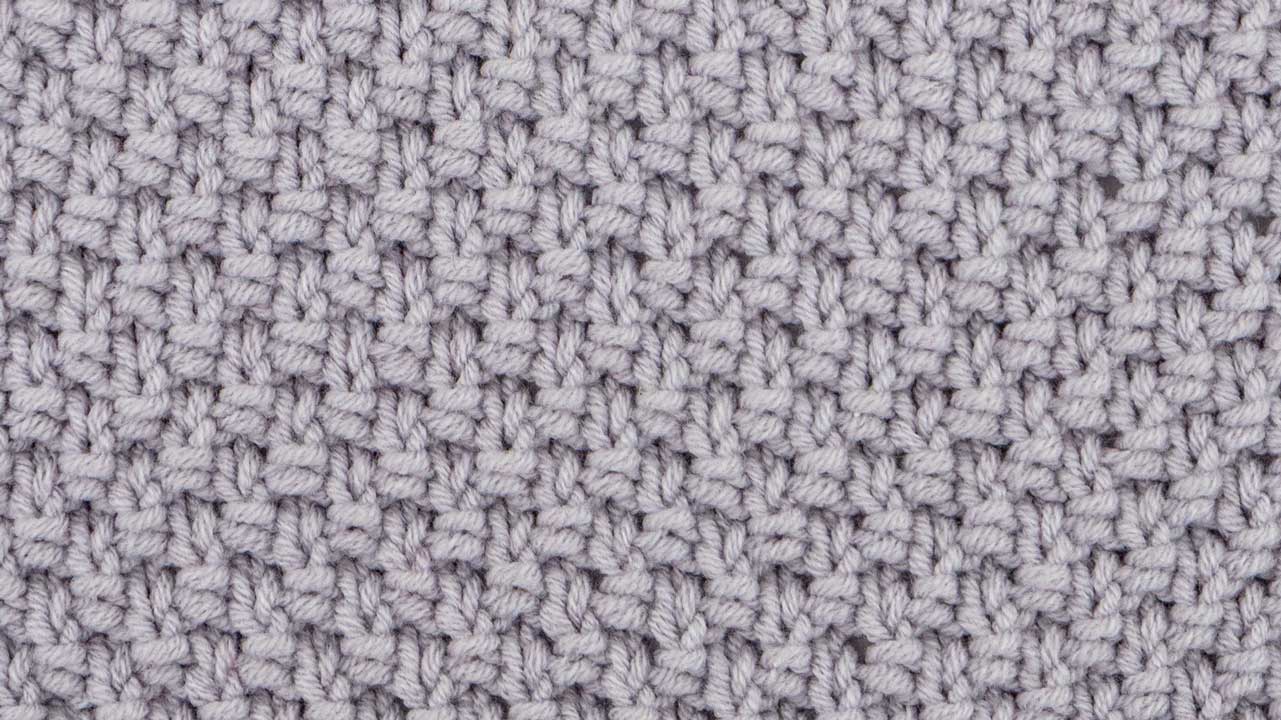
How to Crochet the Moss Stitch (Linen Stitch)
One more row. Then just one more. The moss stitch is one of those repeats that settles into your hands and stays there. You might also hear it called linen stitch or granite stitch , depending on the designer and where you learned. The idea is the same: a simple rhythm of single crochet and chain-1...
Read more →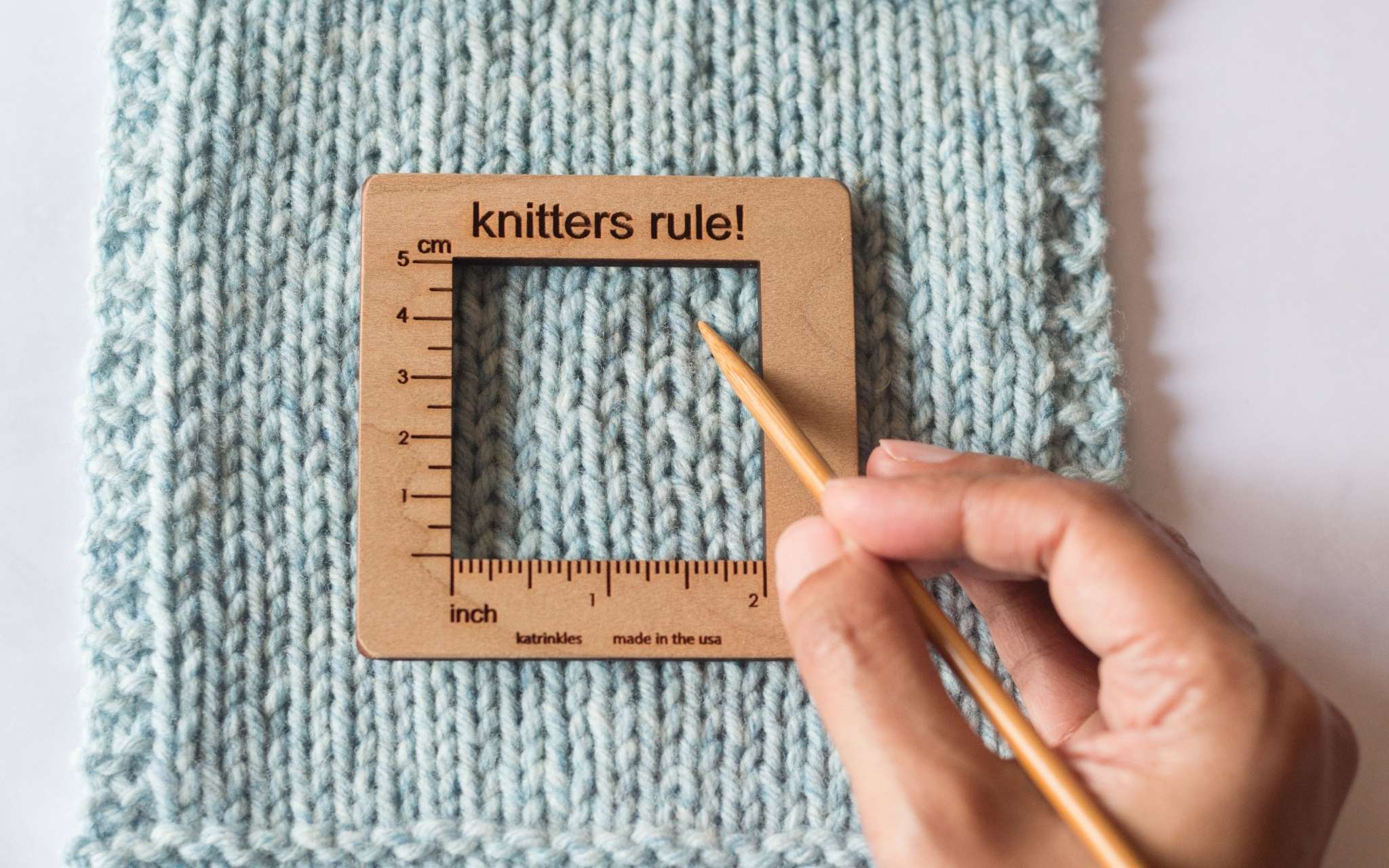
How to Knit a Gauge Swatch and Measure It
One more row. Then just one more. If you have ever poured hours into a sweater sleeve that mysteriously turned into a baggy trouser leg, gauge is usually the little culprit quietly nibbling at the edges. The good news is that gauge is not a guessing game. It is a small, cozy rehearsal you can...
Read more →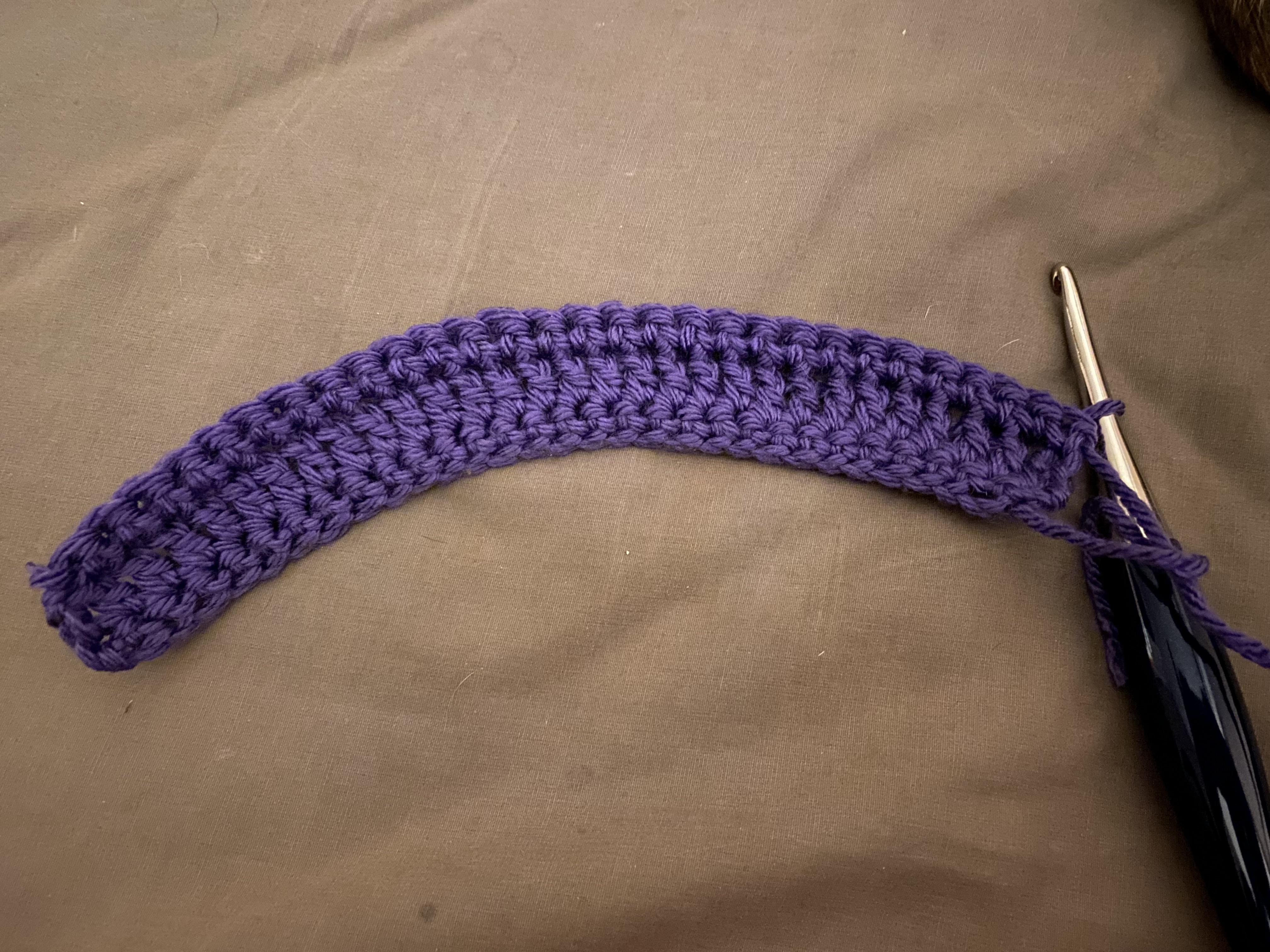
Why Your Crochet Foundation Chain Is Too Tight (and How to Fix It)
One more row. Then just one more. But first, the chain. If your crochet foundation chain feels like a little too-snug scarf around the very first row, you’re not alone. A starting chain can look perfectly fine in your hands, then suddenly the moment you work into it, everything tightens up. The...
Read more →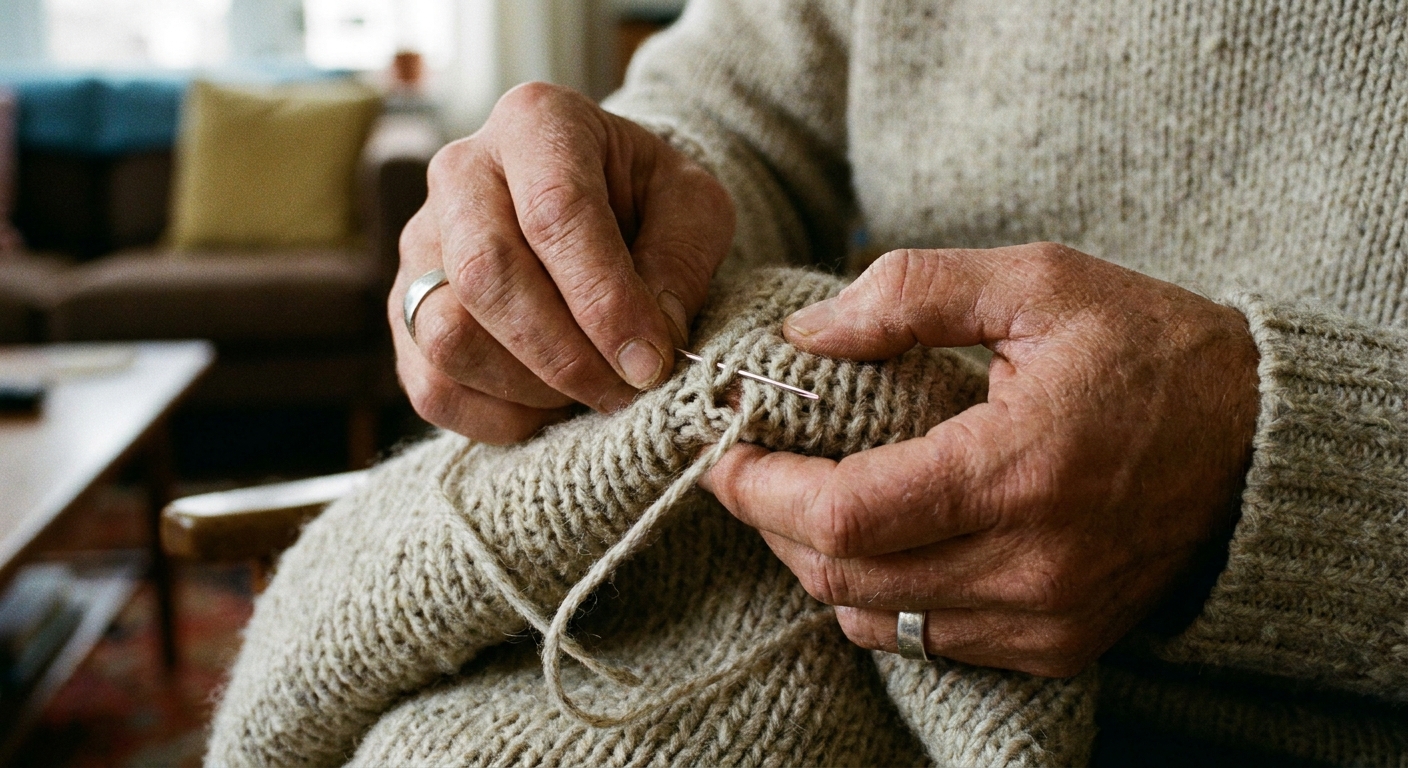
How to Darn a Hole in a Knit Sweater
One more row. Then just one more. That is often how sweater wear happens too: one more day of elbows-on-desk, one more snag on a zipper, one more wash. Suddenly you have a hole, and your lovely knit is trying to become fringe. The good news: a woven darn is a tidy, sturdy fix that looks right at...
Read more →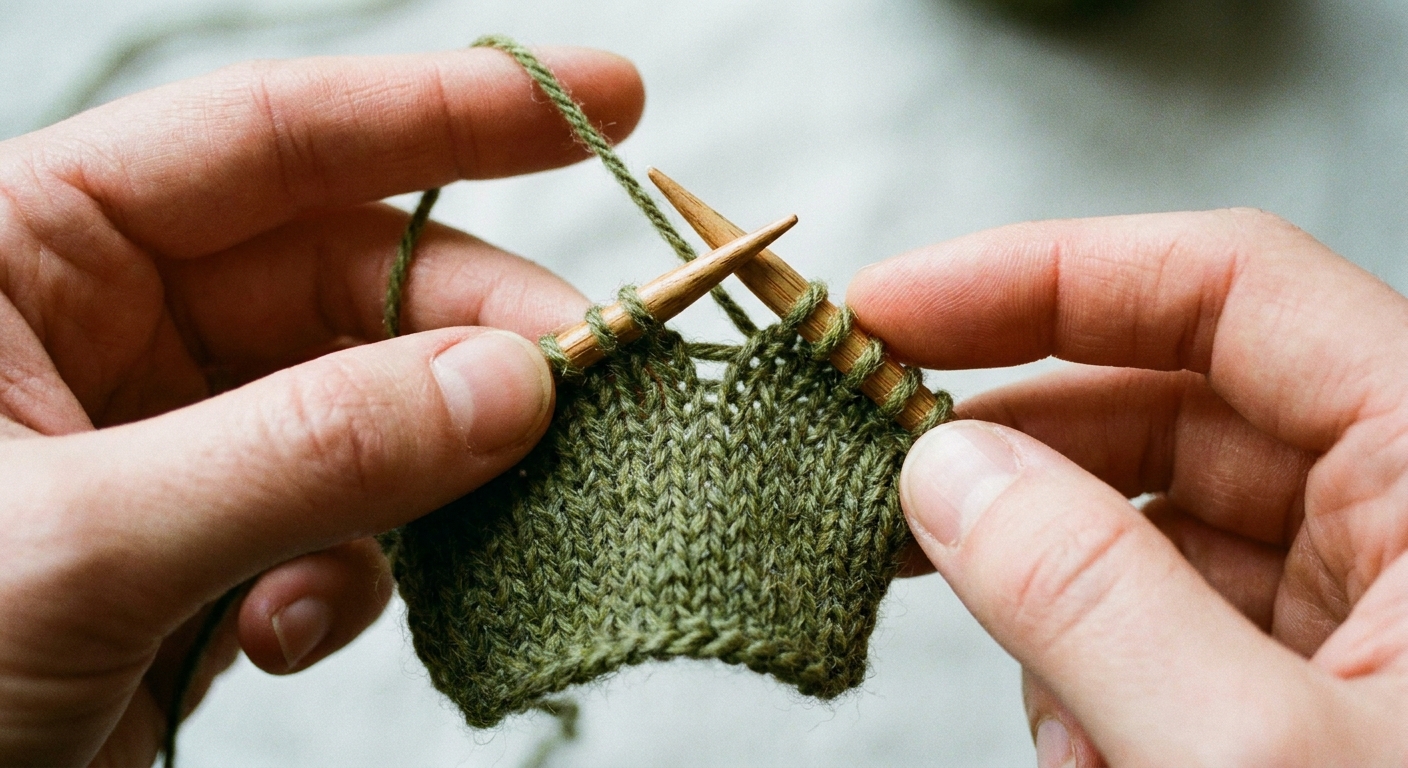
M1L vs. M1R in Knitting
One more row. Then just one more. If you have ever stared at a pattern that says M1 , then wondered, “But which one?” you are in good company. M1L and M1R are both make-one increases worked from the little strand of yarn between two stitches. The difference is the direction you lift and the...
Read more →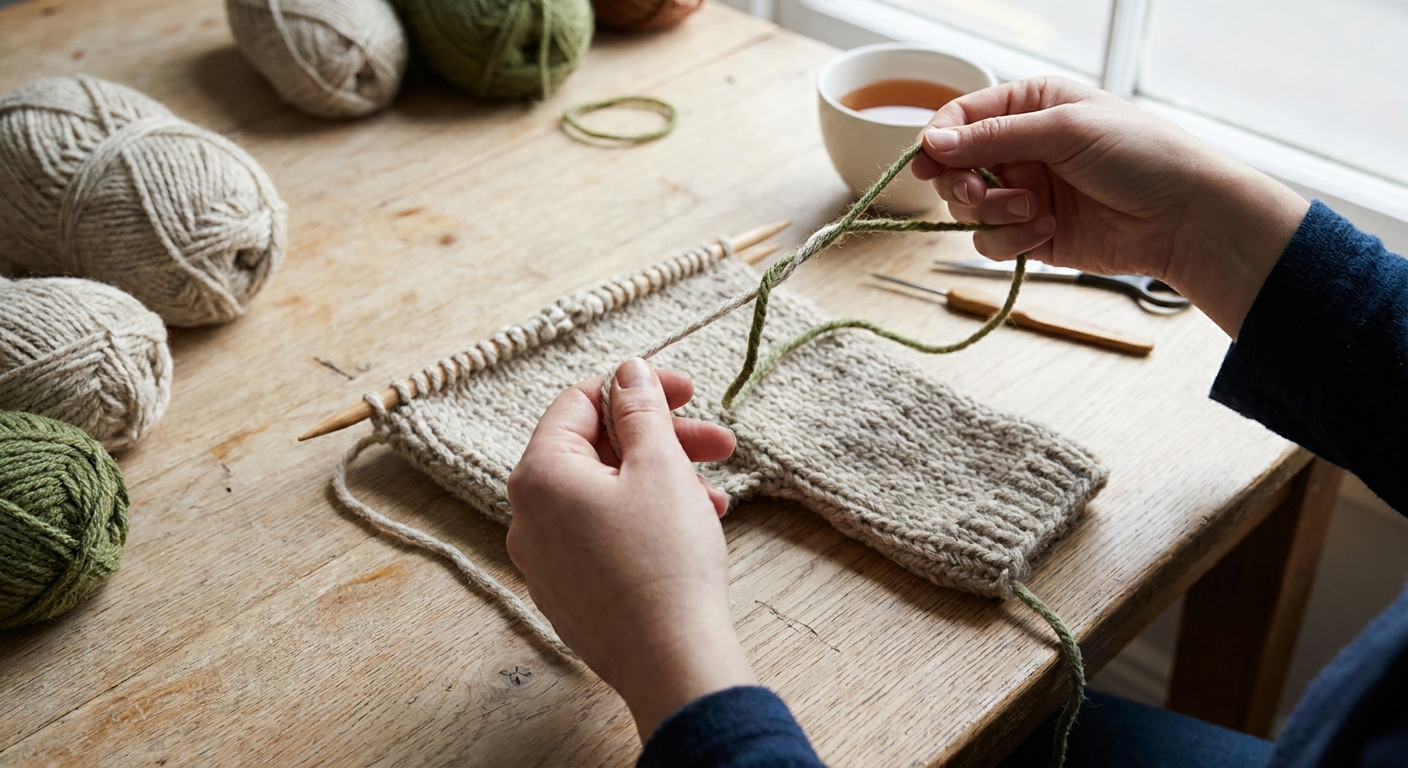
How to Join a New Skein of Yarn
One more row. Then just one more. And then it happens: the yarn thins, the center-pull goes hollow, and your skein is down to a worried little tail. Joining a new skein does not have to mean a bulky bump or a knot that sneaks to the front. With the right method for your fiber, you can make a join...
Read more →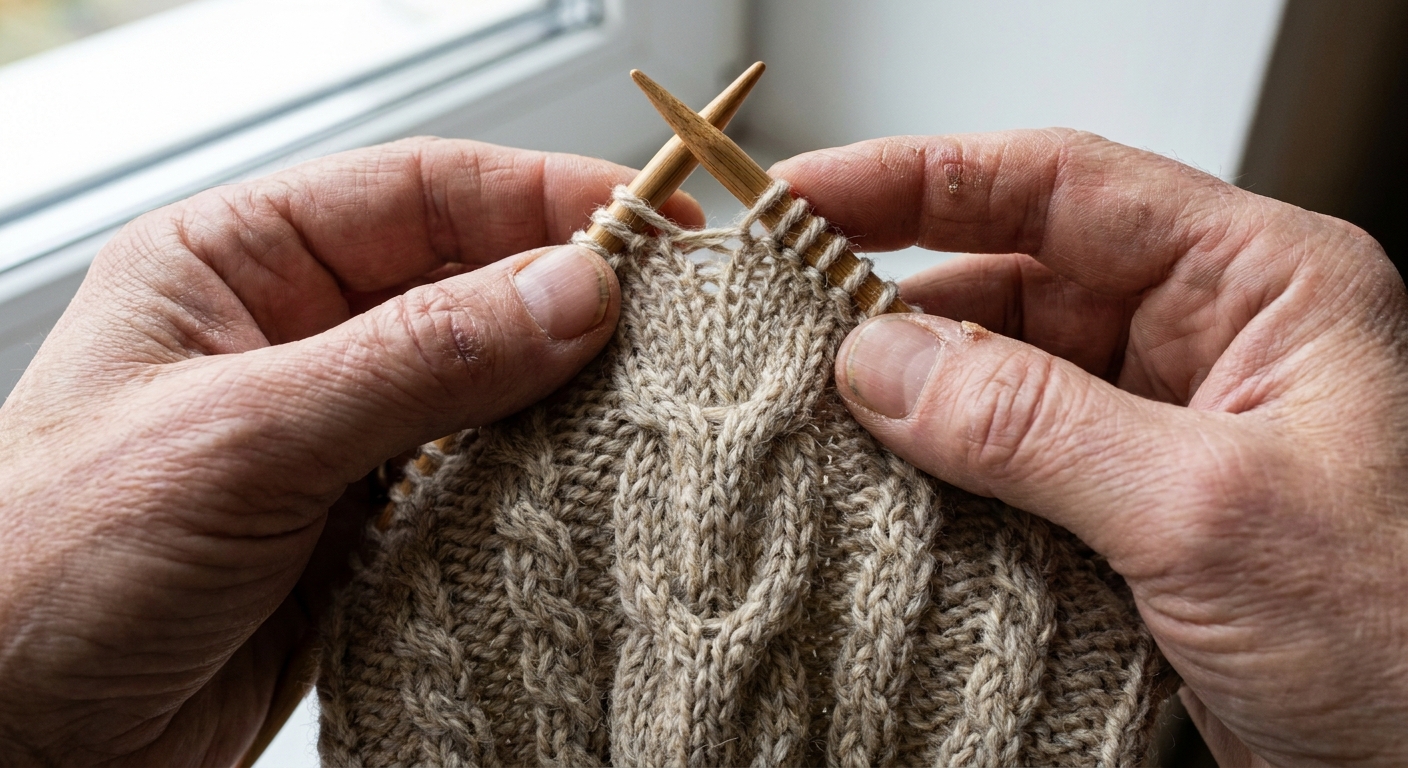
Why Your Knit Stitches Look Twisted (and How to Fix Them)
One more row. Then just one more. And then you look down and think: why do my stitches look a little crossed? Why is my stockinette pulling on a diagonal like it is trying to scoot off the needle? Those are classic signs of twisted stitches . The good news is that twisted stitches are one of the...
Read more →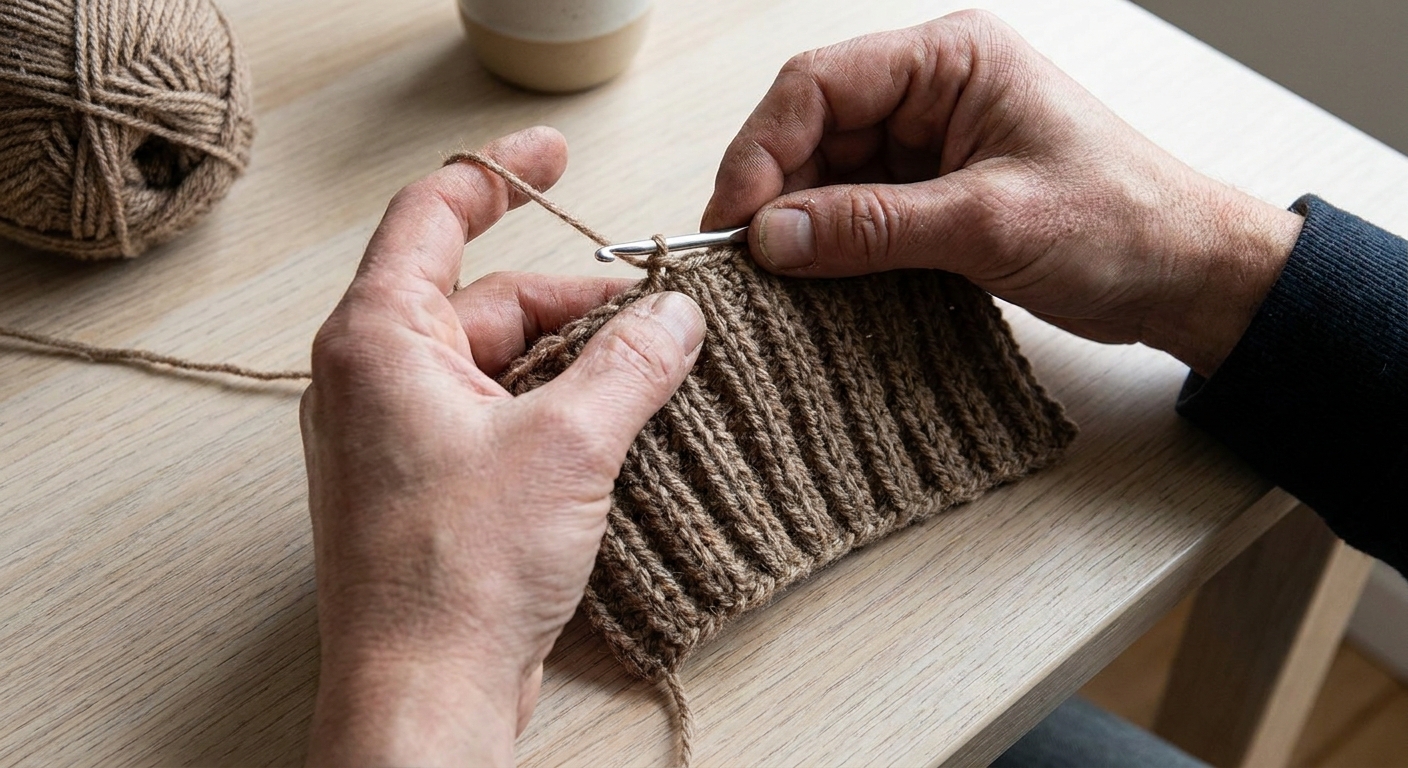
How to Crochet Front Post and Back Post Stitches
One more row. Then just one more. If you have ever admired that squishy, raised ribbing on a hat brim or sweater cuff, you have met post stitches. Front post and back post double crochet are the classic pair. They wrap around the “post” of a stitch instead of working into the top loops, which makes...
Read more →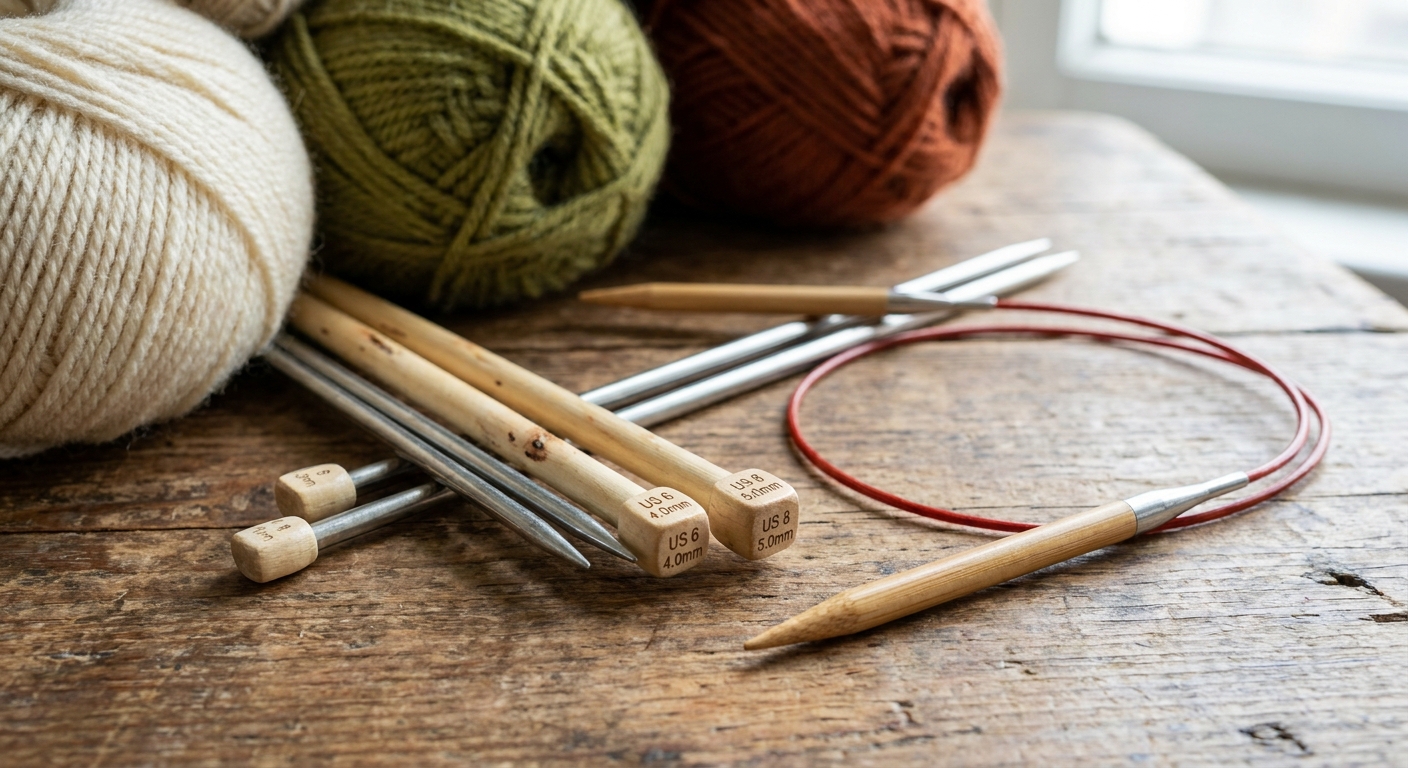
Knitting Needle Size Chart (US to mm)
One more row. Then just one more. And then you glance down at your needles and realize the numbers do not match your pattern. If you have ever held a needle marked “US 7” in one hand and a pattern that says “4.5 mm” in the other, pull up a chair. Let’s make the numbers behave. This chart converts...
Read more →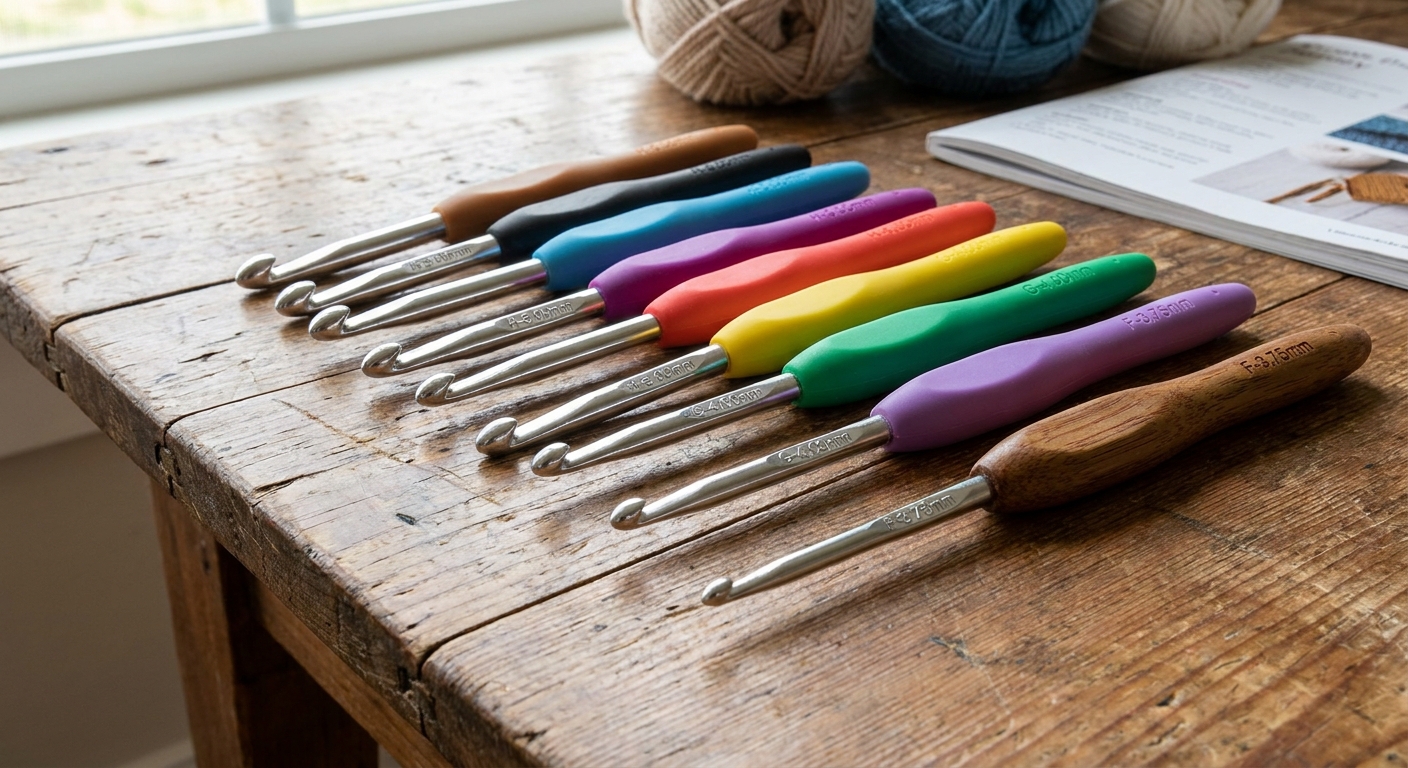
Crochet Hook Size Chart: mm, US Letters and Numbers
One more row. Then just one more. And then you glance at the pattern and it says Hook: H/8 , but the hook in your hand is labeled 5.0 mm , and your yarn label suggests something like 5.5 mm . Cozy, yes. Confusing, also yes. Let’s turn all those letters, numbers, and millimeters into something you...
Read more →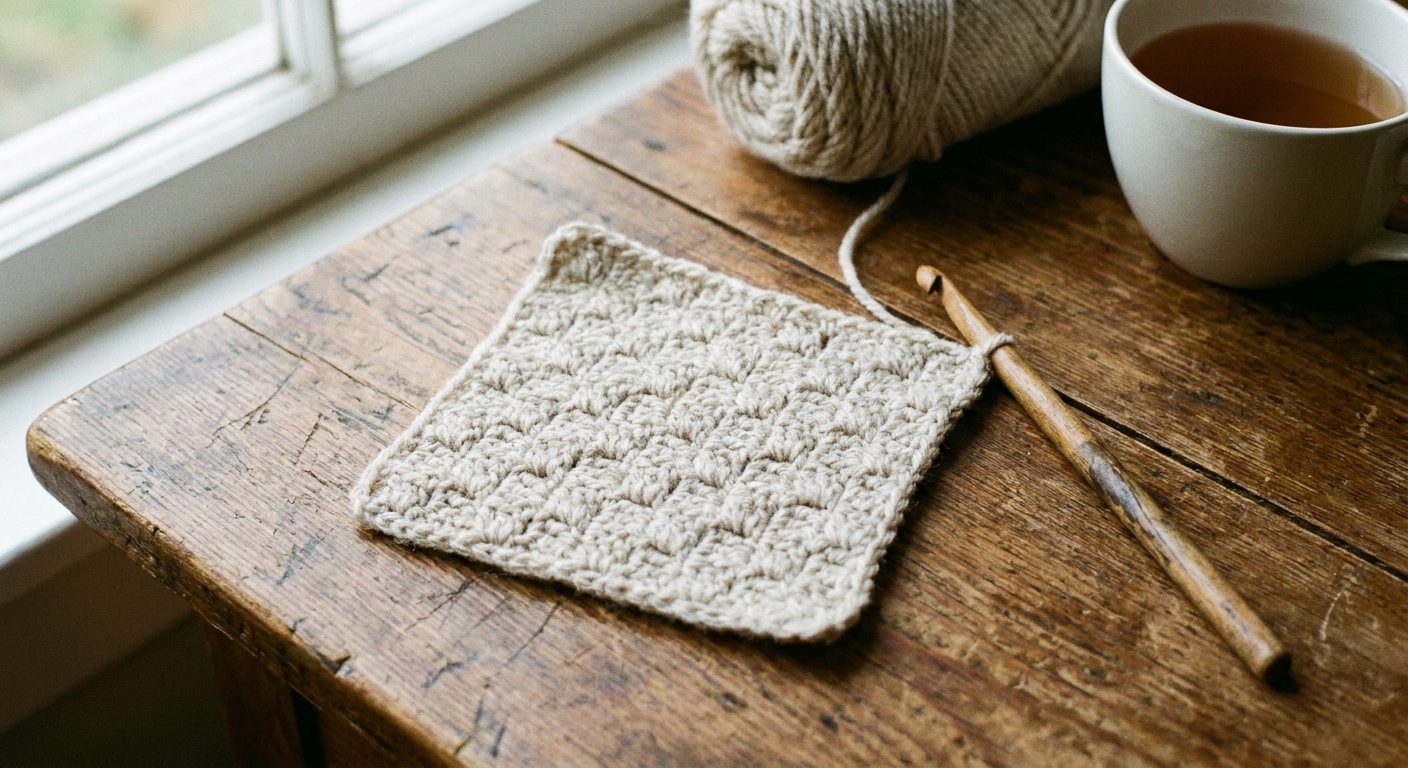
Corner-to-Corner (C2C) Crochet for Beginners
One more row. Then just one more. If you have ever looked at a C2C blanket and thought, “That looks like pixels made of yarn,” you are exactly right. Corner-to-corner crochet, or C2C, is built from small blocks (often called tiles) worked on the diagonal. You start in one corner, increase one block...
Read more →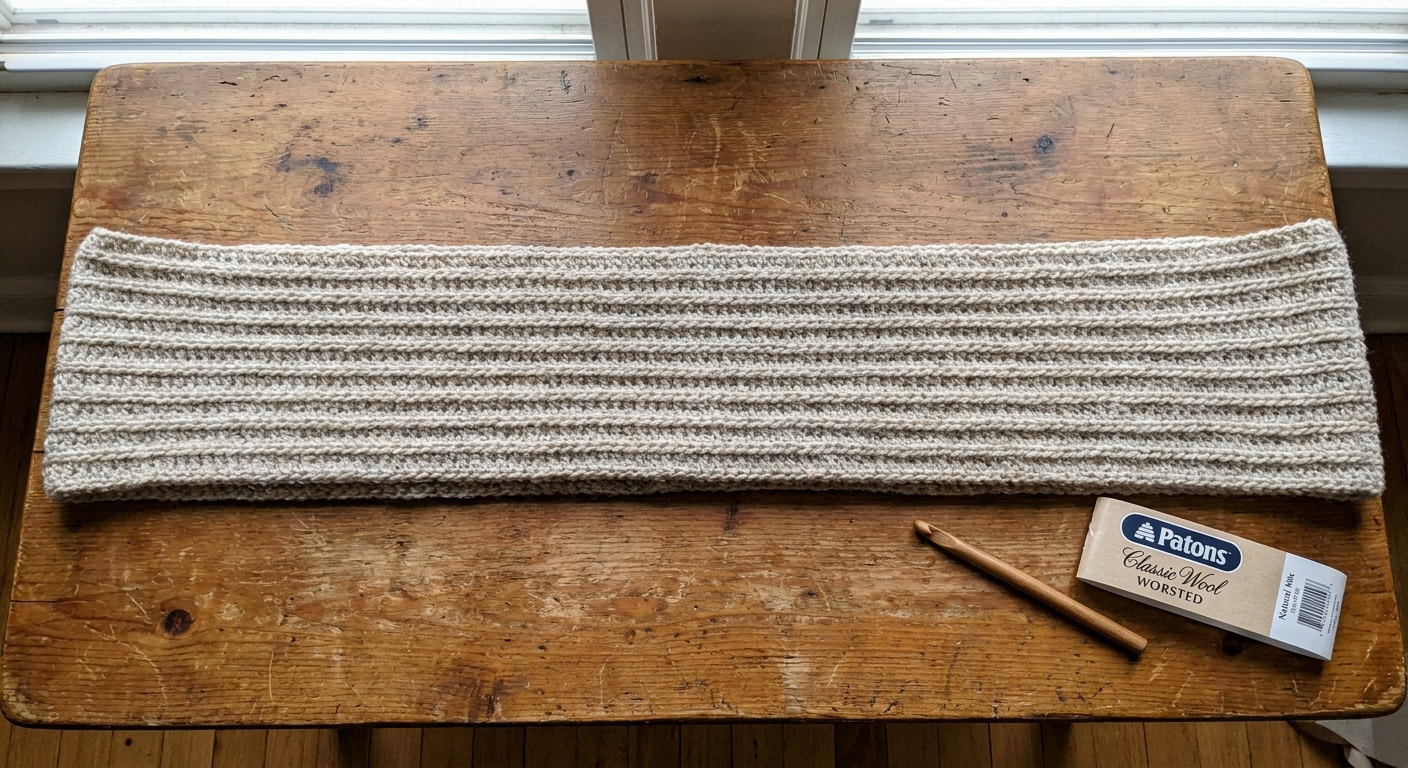
How to Crochet a Ribbed Scarf for Beginners
One more row. Then just one more. If you want a scarf that looks knit-like, feels squishy, and still stays beginner-friendly, back-loop single crochet is the coziest little trick. You will crochet a simple rectangle, but working into just the back loop makes the fabric pop into soft ribs that...
Read more →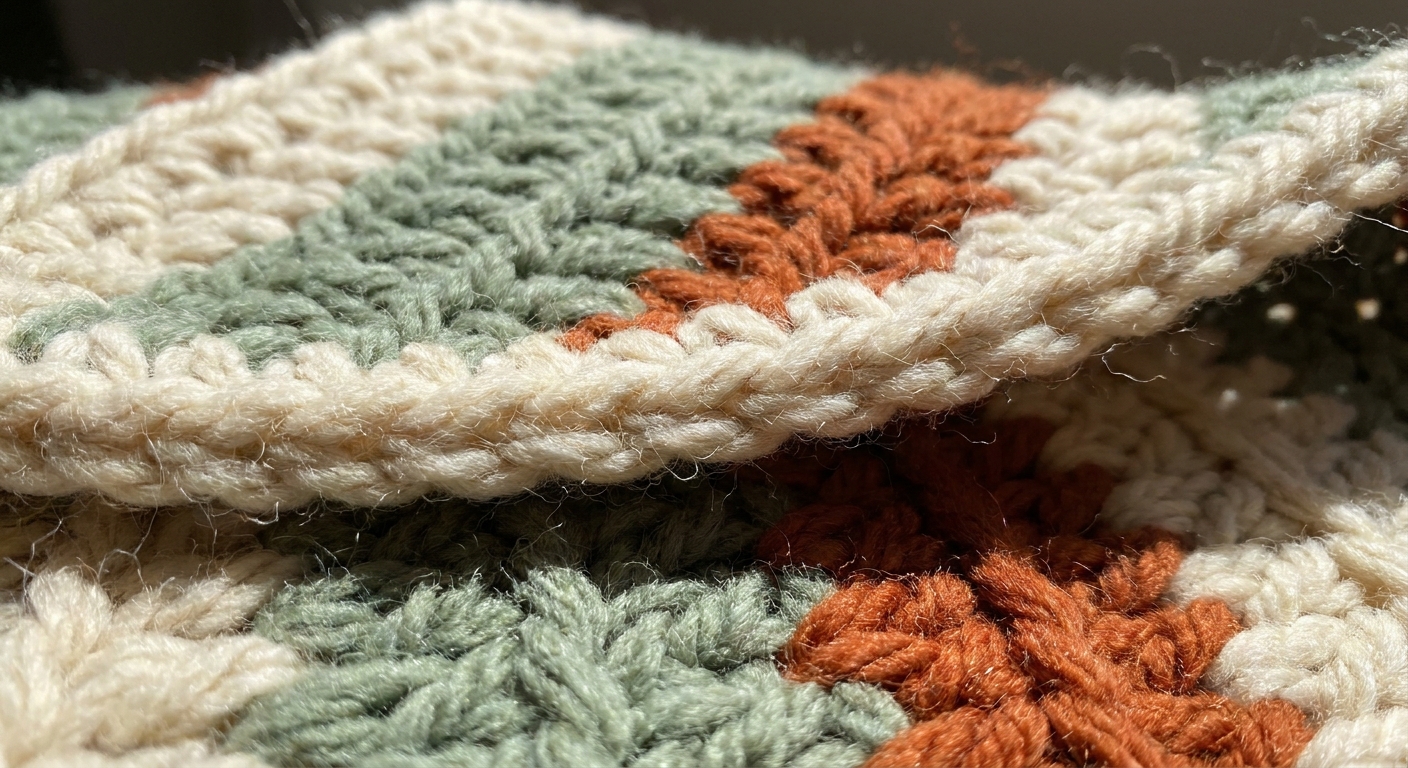
How to Crochet a Crab Stitch Edge
One more row. Then just one more. If you have ever wanted your blanket, scarf, or washcloth edge to look a little more finished, a little more intentional, crab stitch is the tidy trick to keep in your project bag. Crab stitch is just reverse single crochet , worked in the “wrong” direction...
Read more →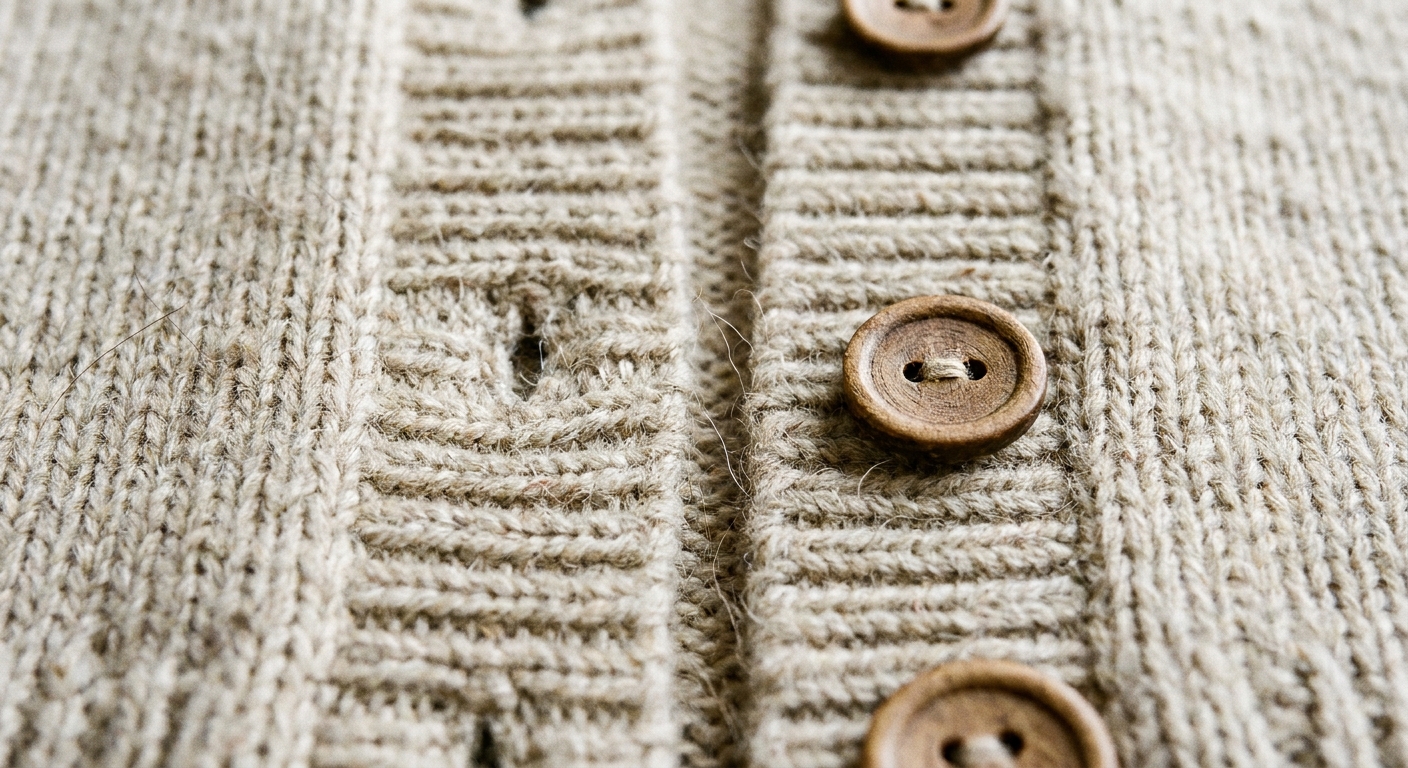
How to Knit a Button Band and Buttonholes
One more row. Then just one more. Button bands are like the little handshake at the front of a cardigan: tidy, sturdy, and ready to hold everything together. When they feel floppy, pull tight, or refuse to line up, it is usually not the sweater’s fault. It is the band plan. Let’s map out a button...
Read more →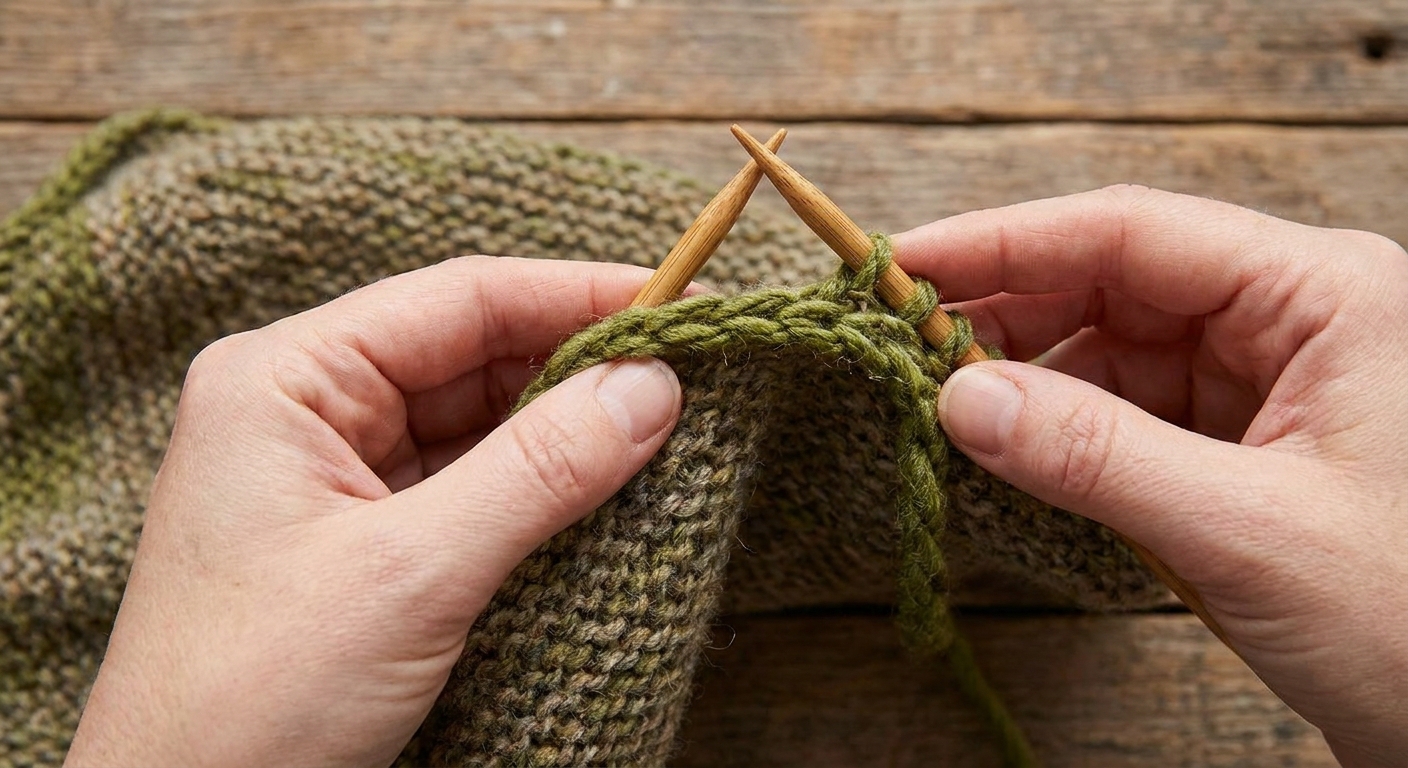
How to Knit an I-Cord Bind-Off
One more row. Then just one more. If you want an edge that looks like a soft little tube hugging your knitting, an i-cord bind-off is the cozy finish. It wraps live stitches in a rounded cord, making it especially lovely on blanket edges, shawl borders, and necklines where you want structure...
Read more →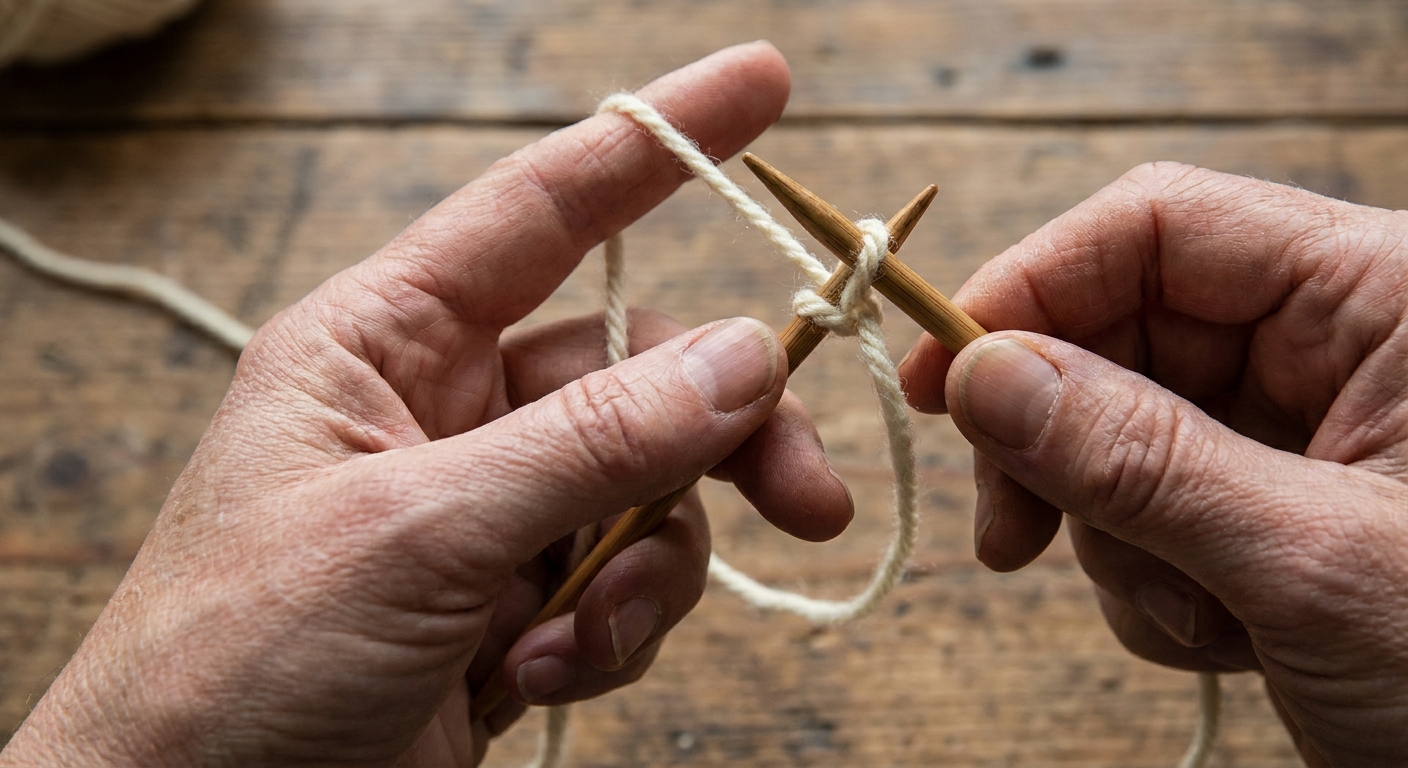
German Twisted Cast-On
One more row. Then just one more. But before we knit any rows at all, we need an edge that can stretch over toes and heels and still bounce back into a tidy cuff. That is where the German twisted cast-on shines. You might also hear it called the Old Norwegian cast-on. It looks like a long-tail...
Read more →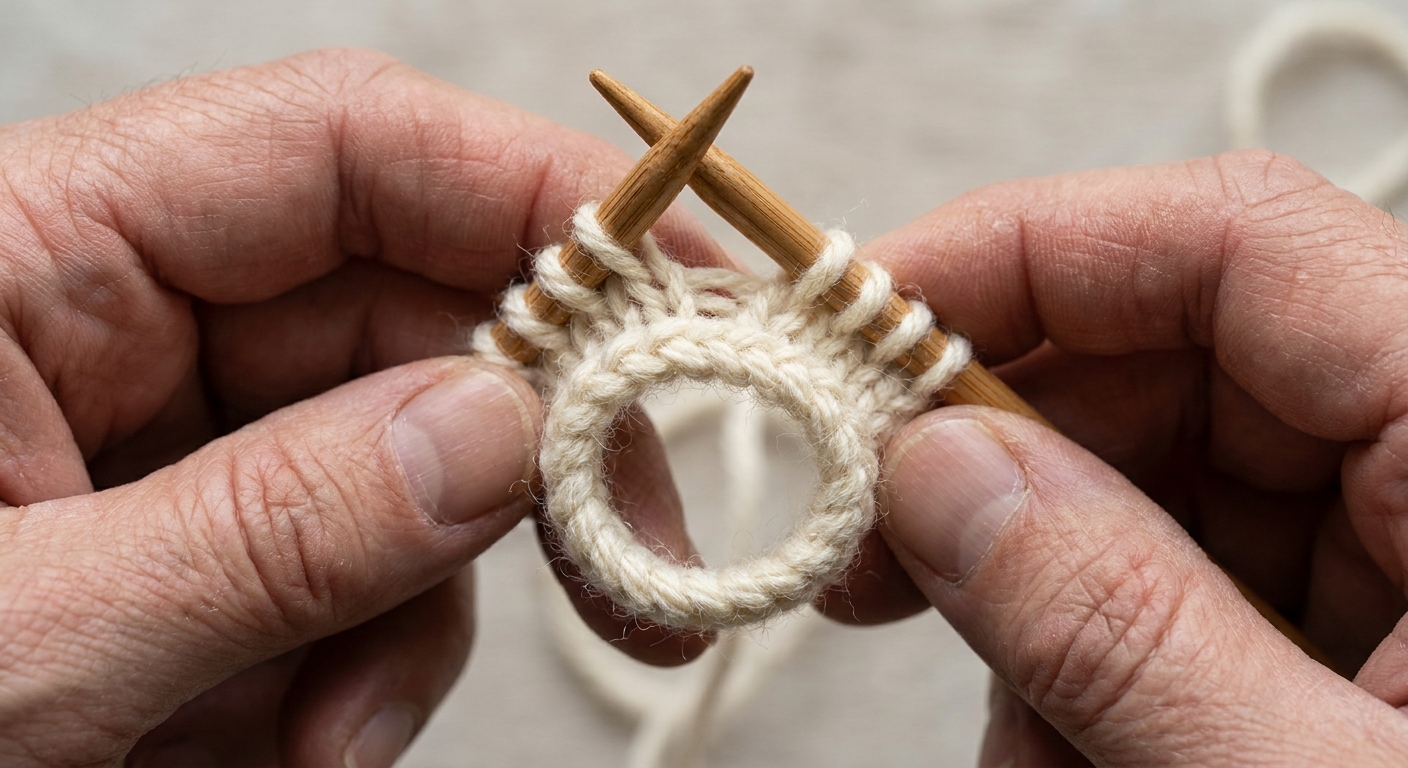
Italian Tubular Cast-On (1x1 Rib)
One more row. Then just one more. If you love a ribbed cuff that looks like it simply grew from the yarn, the Italian tubular cast-on is the tidy little secret. It gives 1x1 rib a rounded, elastic edge with no hard cast-on ridge. It also pairs beautifully with stretchy bind-offs when you want the...
Read more →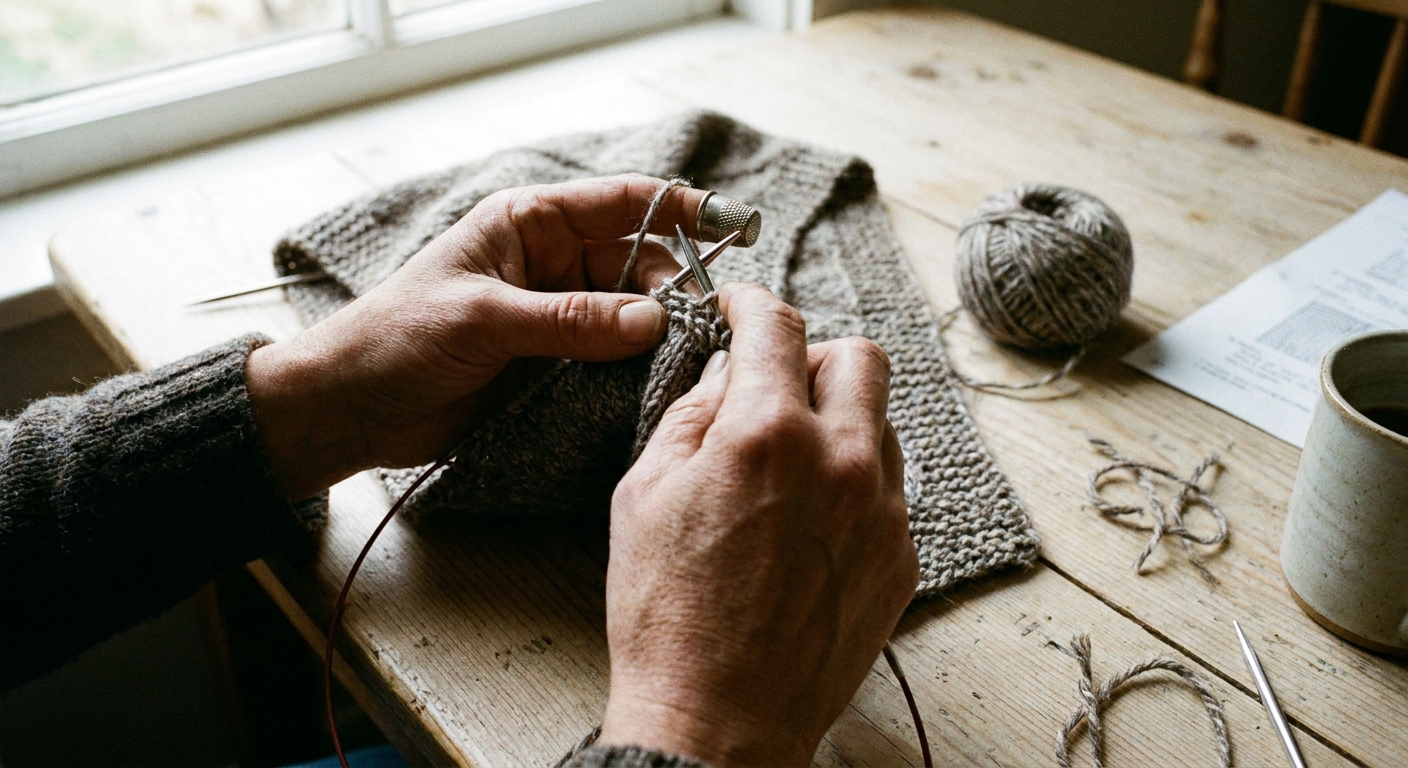
How to Pick Up and Knit Stitches Along an Edge
One more row. Then just one more. And then you look up and realize what your project really needs is not more rows. It needs an edge that behaves. A button band that lies flat. A neckband that hugs instead of flaring. A collar that looks like it belonged there all along. That is where picking up...
Read more →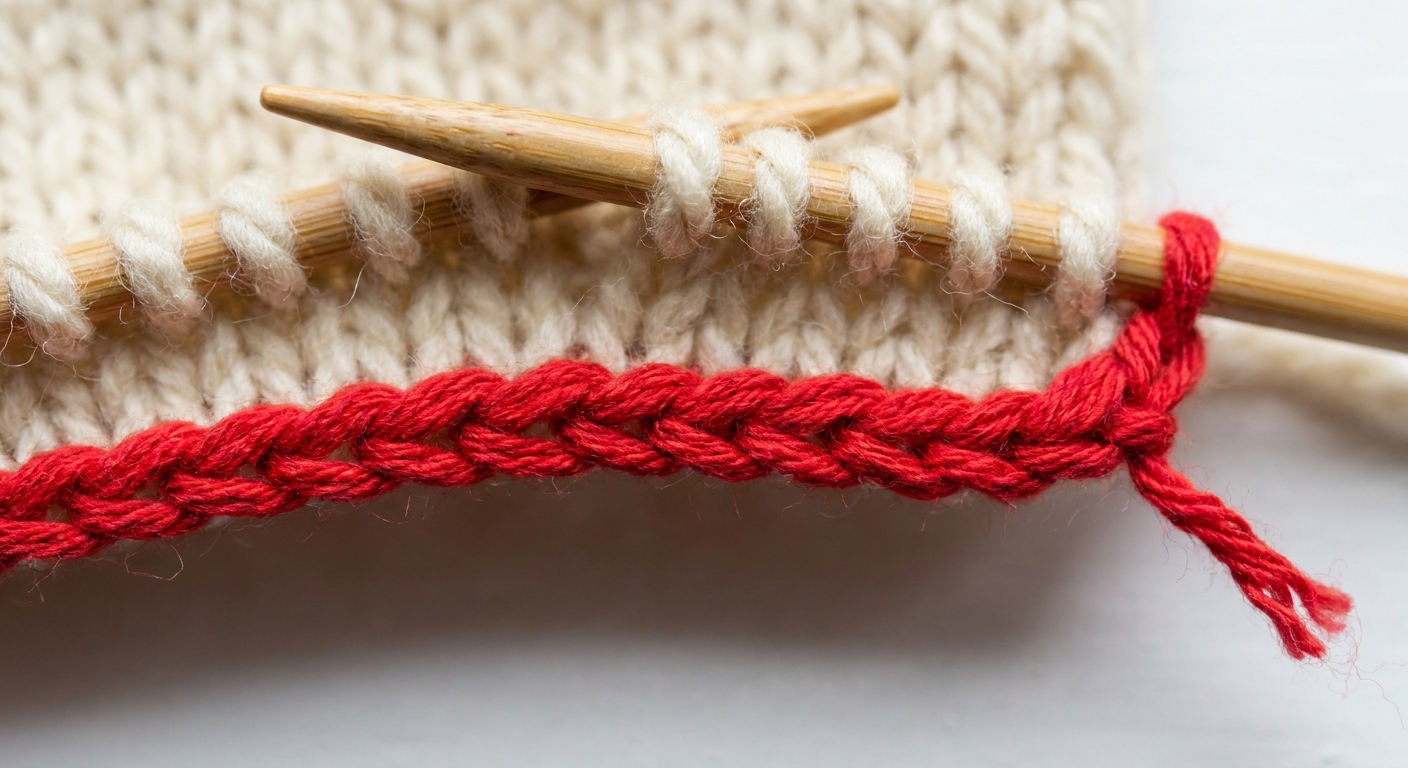
How to Knit a Provisional Cast-On
One more row. Then just one more. Sometimes, though, you do not want a “real” beginning at all. You want a starting edge you can peel away later, like a basting stitch. That is exactly what a provisional cast-on is for: a temporary cast-on made with waste yarn that you can unzip to reveal live...
Read more →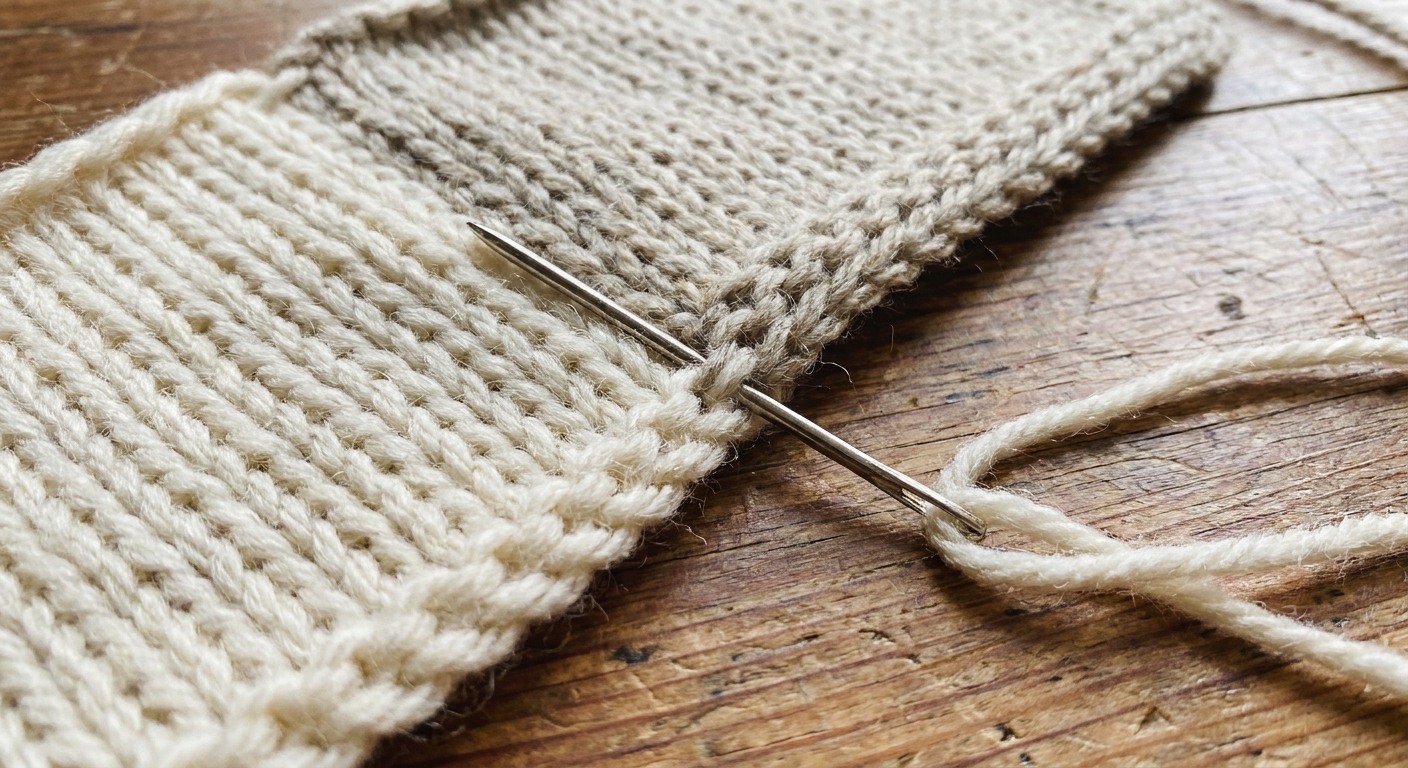
How to Seam Knitting with Mattress Stitch
One more row. Then just one more. And then, suddenly, you are holding two finished pieces that want to be a sweater (or a pillow, or a vest, or a tiny knit lamb friend). This is where mattress stitch shines. It is tidy, it is strong, and when you tug the yarn just so, the seam zips up like it was...
Read more →