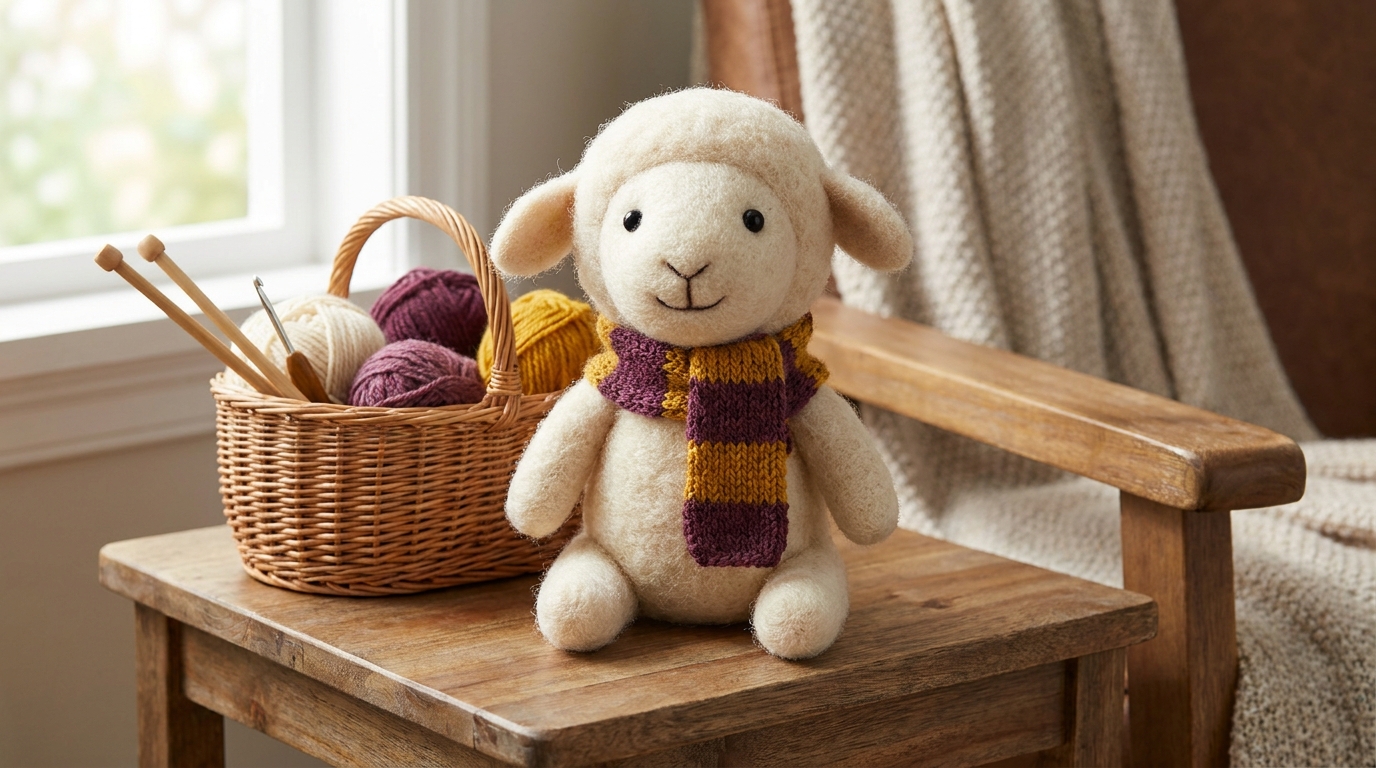
One more row. Then just one more.
The moss stitch is one of those repeats that settles into your hands and stays there. You might also hear it called linen stitch or granite stitch, depending on the designer and where you learned. The idea is the same: a simple rhythm of single crochet and chain-1 spaces that offset every row to make a woven, speckled texture.
What it looks like
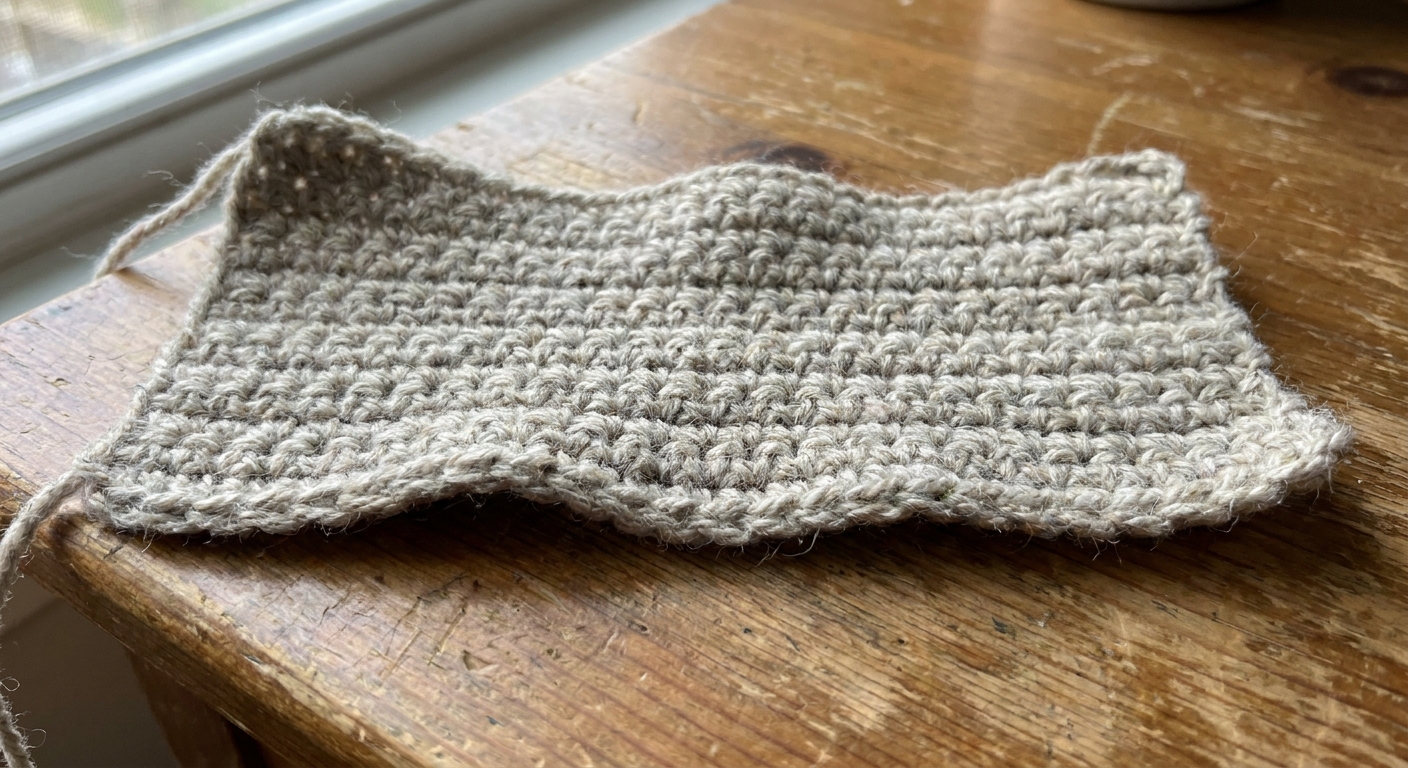
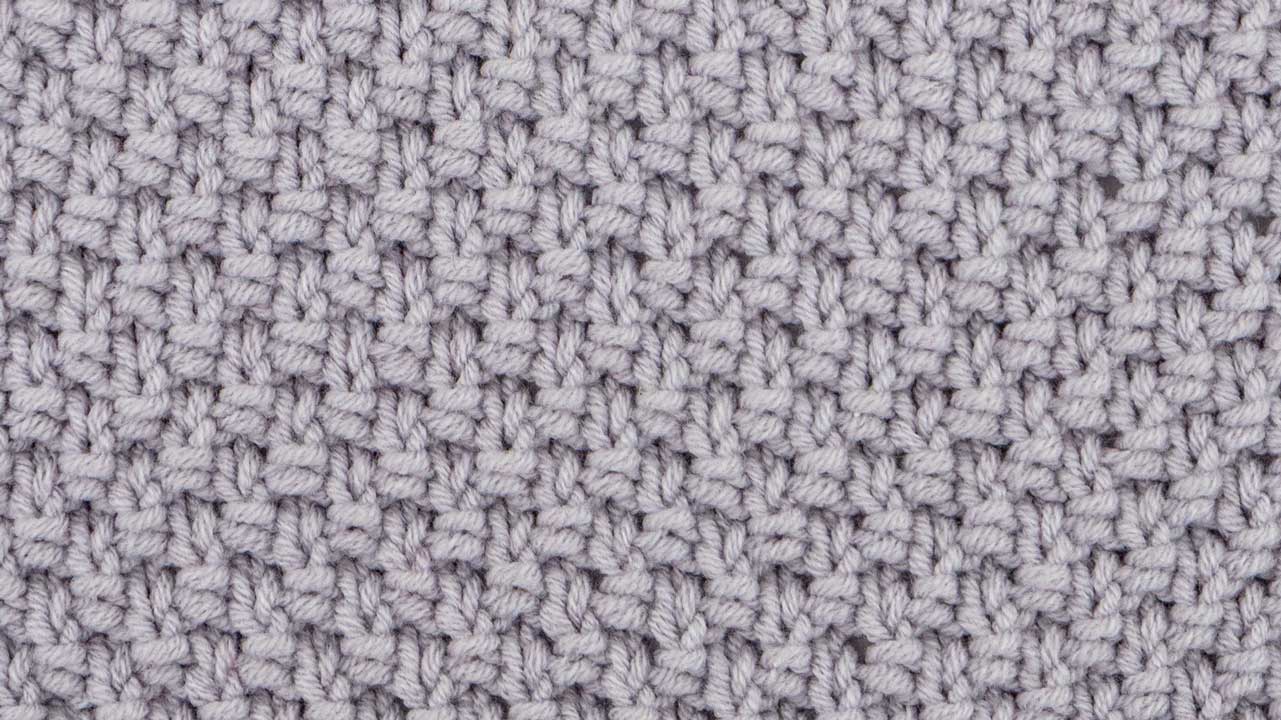
Moss stitch fabric has a tidy, pebbly look, almost like tiny stitches are sprinkled evenly across the surface. The texture comes from working into the chain spaces from the row below, so the stitches land between stitches instead of stacking directly on top of each other.
Right side vs wrong side
- Right side (RS): looks evenly “woven,” with little horizontal bars from the chain-1 spaces tucked between single crochets.
- Wrong side (WS): very similar, just a touch bumpier depending on your yarn. Moss stitch is close to reversible, which is part of its charm.
Plain words (US terms)
The whole stitch is a repeat of:
- Single crochet (sc)
- Chain 1 (ch 1)
- Skip 1 stitch
- Next row: work your single crochets into the chain-1 spaces, not into the tops of the single crochets.
That’s it. The offset happens automatically when you always crochet into the chain spaces.
Quick UK translation: this tutorial uses US terms. US single crochet (sc) is UK double crochet (dc).
Practice swatch
This swatch is designed so you can learn the repeat and keep your edges straight.
You’ll need
- Any yarn (see the yarn tips below)
- A hook that matches your yarn label to start
- Scissors and a yarn needle if you want to weave in ends
Foundation chain
Chain an even number. For a small practice swatch, chain 22. (If you change the size, keep it even and this setup will still end neatly with a single crochet.)
Row 1
- Sc in the 4th chain from the hook.
- Ch 1, skip 1 chain, sc in the next chain.
- Repeat: ch 1, skip 1, sc across.
- You should end with a sc in the last chain.
- Ch 2, turn.
Why the 4th chain? The skipped chains build your first little “gap,” and moss stitch is happiest when each row begins and ends with a single crochet.
Row 2
In this tutorial, the turning chain is just a turning chain. You will not stitch into it.
- Find the first chain-1 space from Row 1 (it looks like a small gap).
- Sc in that chain-1 space.
- Ch 1, then go to the next chain-1 space and sc in it.
- Repeat across: sc in ch-1 space, ch 1.
- Last stitch: your final sc goes into the last chain-1 space at the edge, right before the turning chain.
- Ch 2, turn.
Rows 3 and on
Repeat Row 2 until your swatch is as tall as you like.
Straight edges
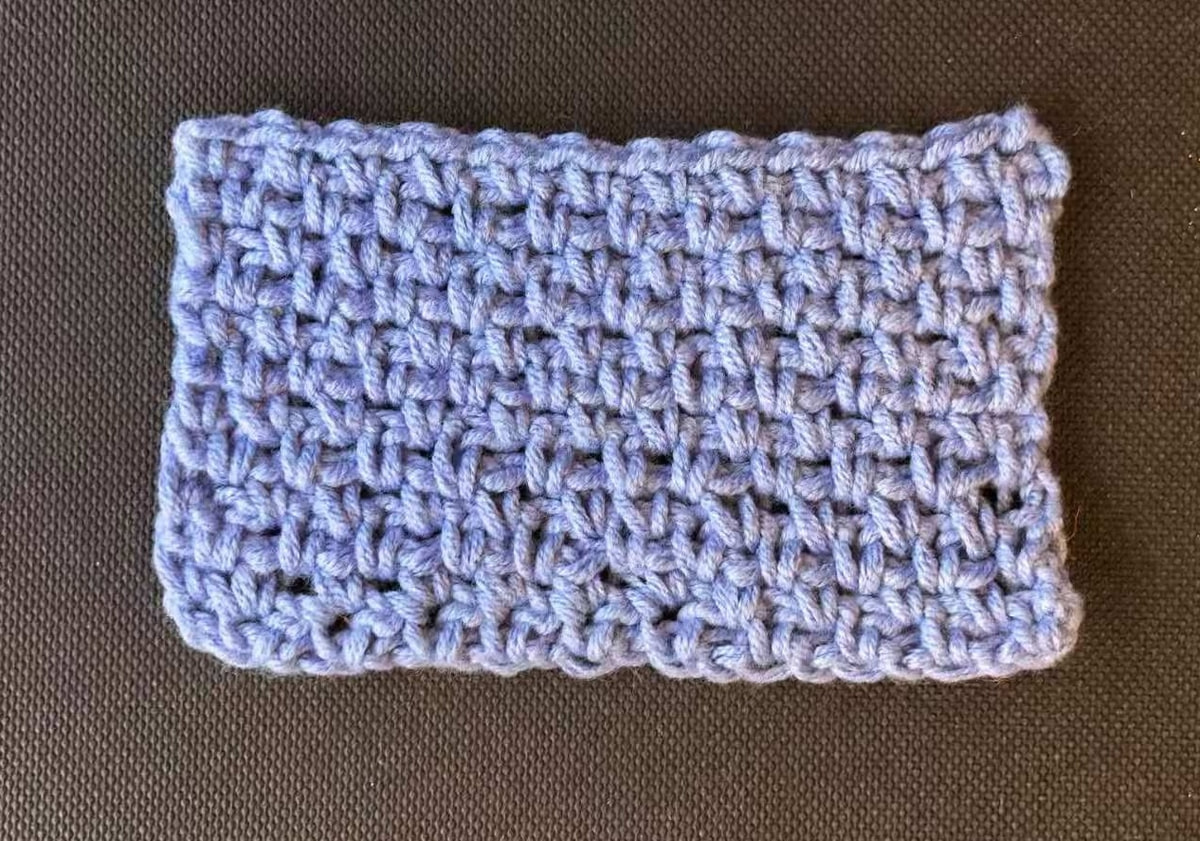
If moss stitch ever feels like it is “walking” sideways, it is almost always an edge issue. Here’s the tidy way to keep it square:
- Always end each row with a single crochet. Don’t end with a chain-1 dangling at the edge.
- Ch 2 to turn. Then place your first sc into the first chain-1 space you see (not into the turning chain).
- Count your chain spaces. Each row should have the same number of chain-1 spaces. If you lose one near the edges, the fabric narrows.
A small habit that helps: after you turn, give the fabric a gentle tug sideways. Those chain spaces open up and become easier to spot.
Yarn choices
Moss stitch looks good in almost anything, but the woven effect really pops when the yarn has clear stitch definition.
Best for seeing the texture
- DK (3) and worsted (4): the sweet spot for a crisp, pebbly look without feeling stiff.
- Light, solid colors: makes the little “sprinkles” of stitches easy to see while you learn.
Also lovely
- Sport (2): more delicate, drapier fabric with a finer woven look.
- Bulky (5): bold texture and fast rows, but the “weave” becomes chunkier and less detailed.
- Variegated yarn: moss stitch is famous for calming busy color changes into a softly speckled fabric.
If you’re using a fuzzy yarn (like mohair blends), the stitch will still work, but the texture gets swallowed. Save that for when you want softness more than stitch definition.
Good to know: moss stitch has a steadier, less stretchy feel than something like double crochet, and it often uses a bit more yarn than a very open stitch pattern. Plan a little extra if you are right on the edge of a skein.
From memory
When you want to stop looking at instructions, here’s the whole stitch in one line:
Sc in ch-1 space, ch 1, repeat across. Ch 2, turn.
And the secret that makes it moss stitch:
Always work into the chain spaces, not into the stitch tops.
Quick fixes
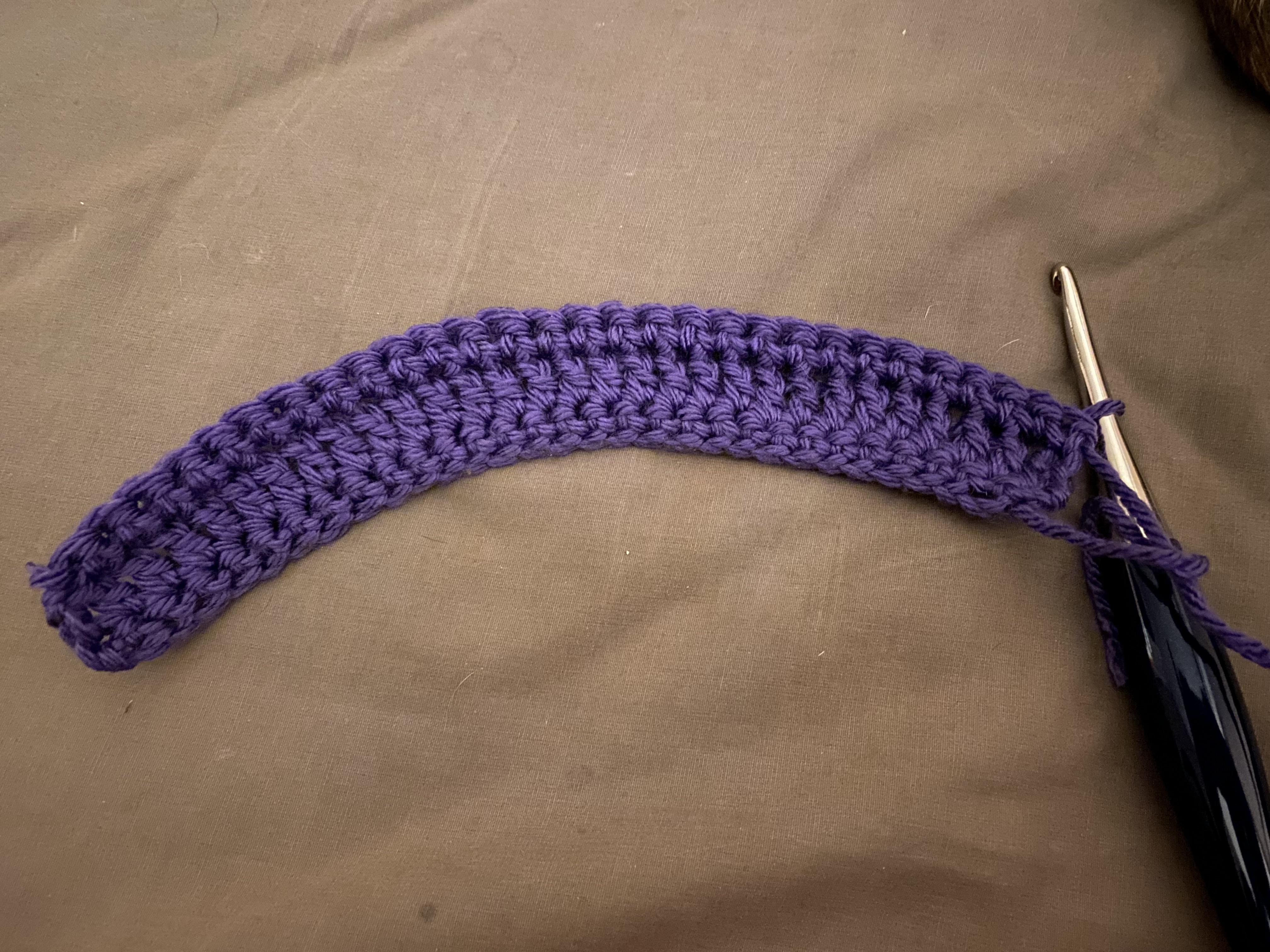
My edges are wavy
- You might be adding extra chain spaces at the ends. Make sure you end with a single crochet and turn with ch 2.
- In this tutorial, you do not crochet into the turning chain. If you accidentally stitch into it, your edge can grow.
I can’t find the chain-1 spaces
- Work Row 1 a little looser, or go up a hook size for the practice swatch.
- After you make a chain-1, pause and gently open that gap with your hook tip before moving on.
It’s getting narrower
- You are likely missing the last chain-1 space near the edge. Count the spaces across the row and make sure the last stitch is a sc in that final space.
Where it shines
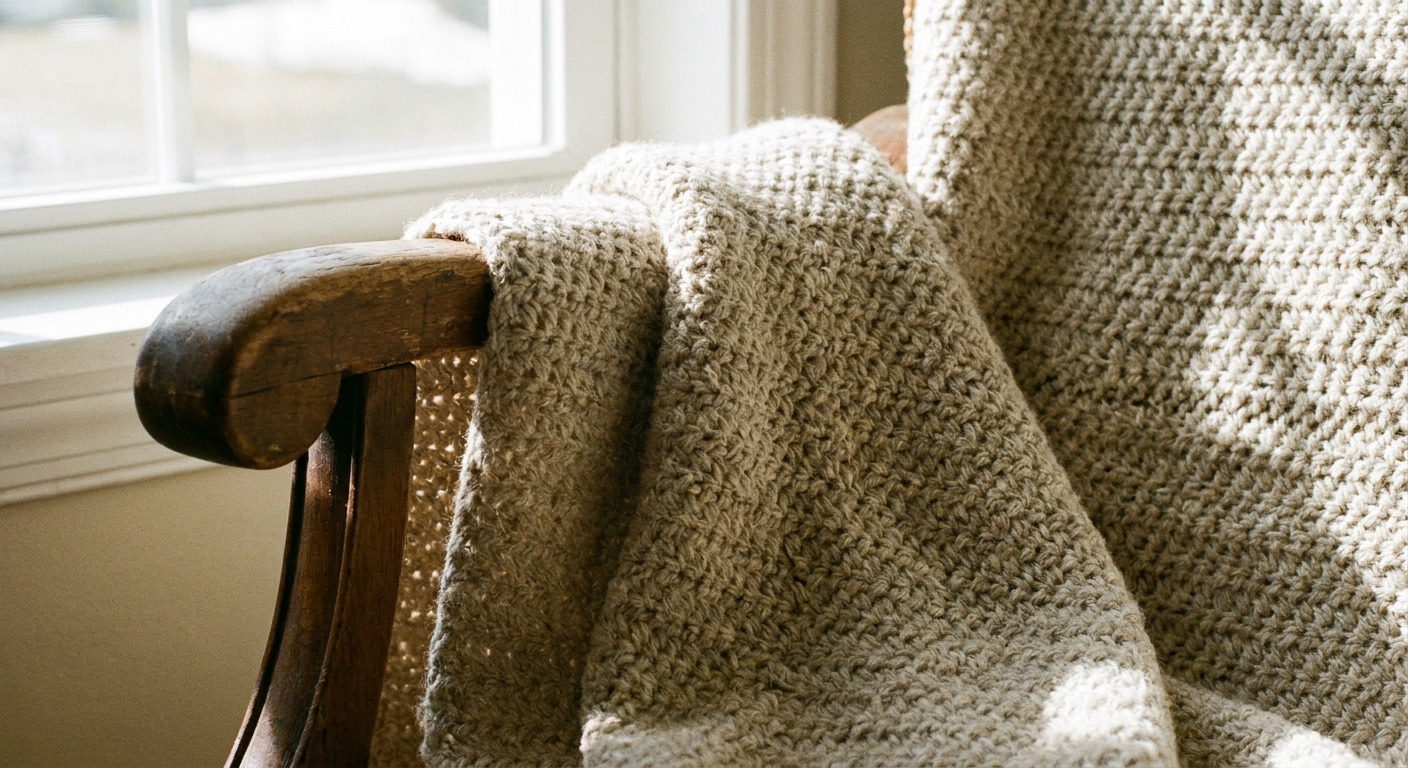
Once you have the repeat memorized, it’s a cozy workhorse stitch for:
- Scarves and cowls (reversible-ish texture)
- Blankets (especially with color-changing yarn)
- Washcloths (durable fabric with great texture)
- Potholders (use heat-safe fiber like 100% cotton, and avoid acrylic for hot cookware)
- Totes and pouches (woven look with good structure)
Now, if you need me, I’ll be right here counting: sc, ch 1, sc, ch 1. One more row.