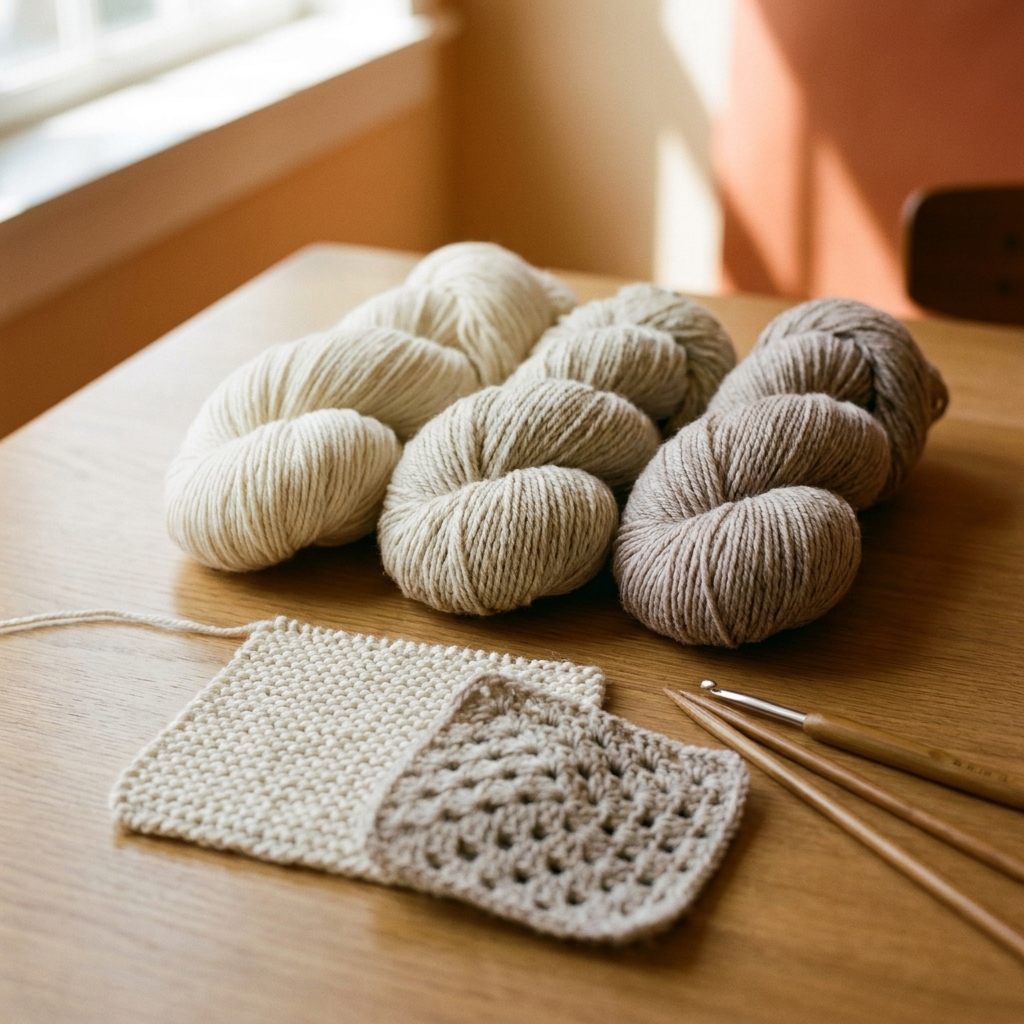
Dishcloths are my favorite “serious beginner” project. They are small, useful, and forgiving, which is a polite way of saying you can learn a lot, make a few wonky corners, and still end up with something that cleans your kitchen. If you are deciding between knitting and crochet for your first dishcloth (or your tenth), I’ve got you.
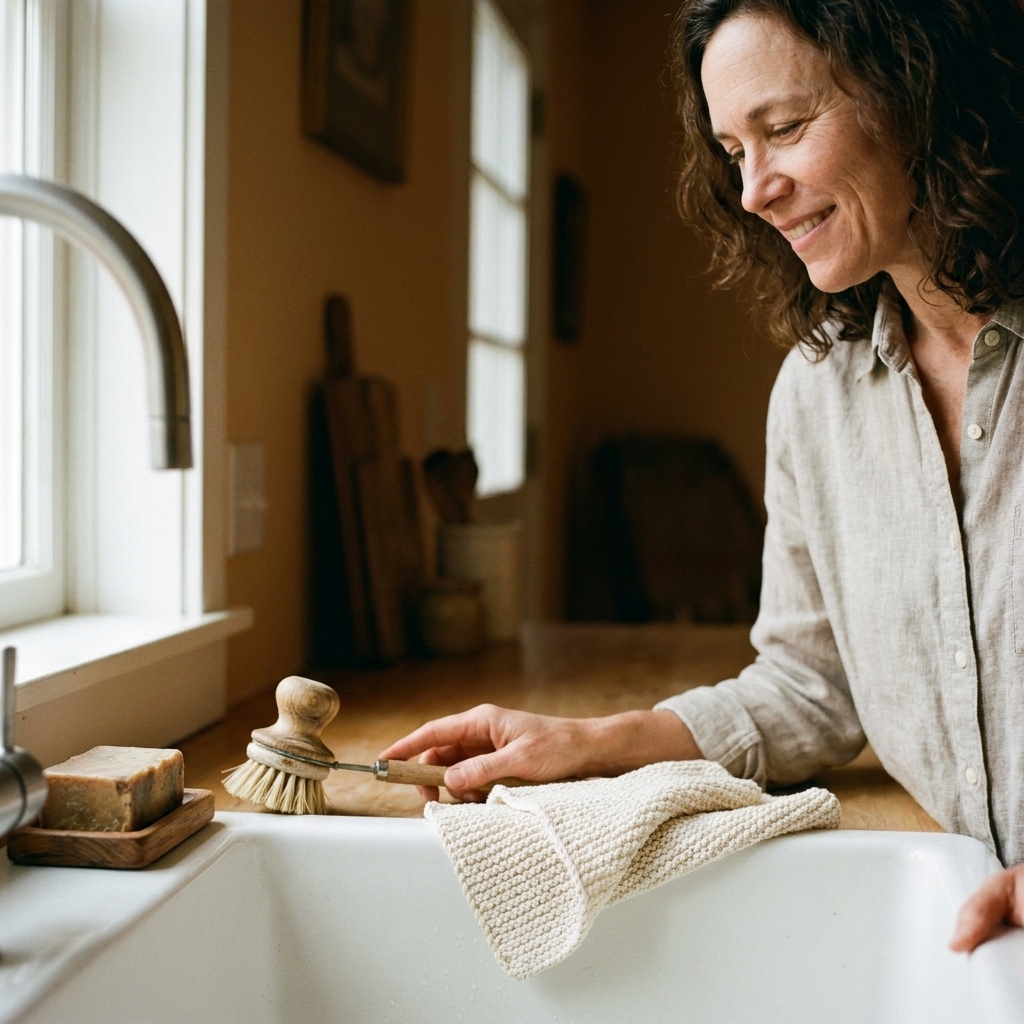
Below we will compare knit vs. crochet dishcloths for durability, texture, and speed. Then you will find beginner patterns for each craft that are practical, not fussy, and designed to help your hands learn the basics.
Knit vs. crochet dishcloths at a glance
If you want the quick version, here is how I usually steer beginners:
- Choose knitting if you want a smoother cloth with great drape, you like tidy edges, and you want a project that teaches knit and purl in a very satisfying way.
- Choose crochet if you want a faster cloth, you want more scrubby texture, and you like the idea of making a solid fabric with one hook and a couple of repeatable stitches.
Neither is “better.” They simply behave differently because knitted fabric is made of interlocking loops in rows, and crochet fabric is built stitch by stitch. That structure affects stretch, thickness, and how the cloth wears over time.
Durability: which one holds up longer?
Knitted dishcloth durability
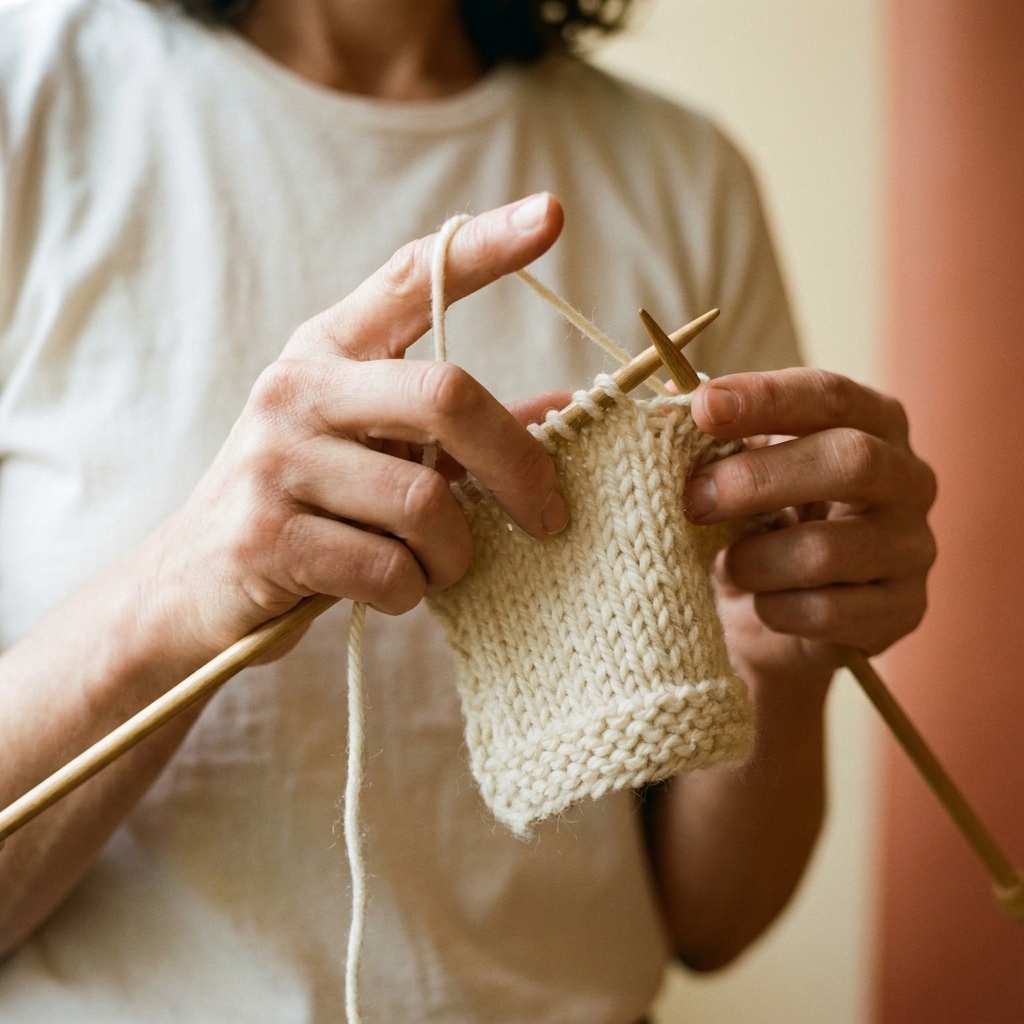
A classic knit dishcloth in garter stitch (knit every row) wears like a champ. At a firm gauge, garter stitch can be pleasantly dense and springy, and it tends to stay flexible over time. That is great for wiping counters and squeezing into corners.
Where knit cloths can struggle is with loose tension. If you knit very loosely, your cloth can snag more easily on cabinet hardware or rough pan edges. The fix is simple: go down a needle size or use a cotton yarn that gives you a firmer fabric.
Crocheted dishcloth durability
Crochet dishcloths are often thicker, especially in single crochet, and that thickness can feel extra sturdy for scrubbing. As with knitting, stitch pattern and gauge matter here. A relaxed single crochet will behave differently than a tight one, and textured stitches can add even more structure.
Crochet fabrics can look “bulletproof,” but there is one common beginner issue: tight stitches. If you crochet too tightly, the cloth can feel stiff and may curl. Size up your hook and focus on relaxed hands. Your future wrists will thank you.
My real-life take
If you want a cloth that feels great for everyday wiping and rinses clean easily, I reach for knit garter. If you want a cloth that tackles stuck-on bits and feels more like a scrubber, I reach for crochet single crochet or lemon peel.
Texture: smooth wiping vs. scrubby power
Knitted texture
Knitting gives you beautiful, even textures with subtle ridges and bumps. Two standouts for dishcloths:
- Garter stitch: ridgy, grippy, and lies flat easily.
- Seed stitch: nubbly texture that scrubs without feeling rough.
Knit cloths are excellent for wiping glass and counters because they glide smoothly while still having enough grab to pick up crumbs.
Crocheted texture
Crochet shines when you want texture. Even basic stitches make a more pronounced surface:
- Single crochet: dense, scrubby, durable.
- Lemon peel stitch (single crochet + double crochet alternating): pebbly texture, flexible, and beginner friendly.
- Half double crochet: a happy medium, softer than single crochet but still substantial.
If you wash a lot of dishes by hand, crochet cloths can feel like they “do more work” with less effort.
Speed: which is faster for beginners?
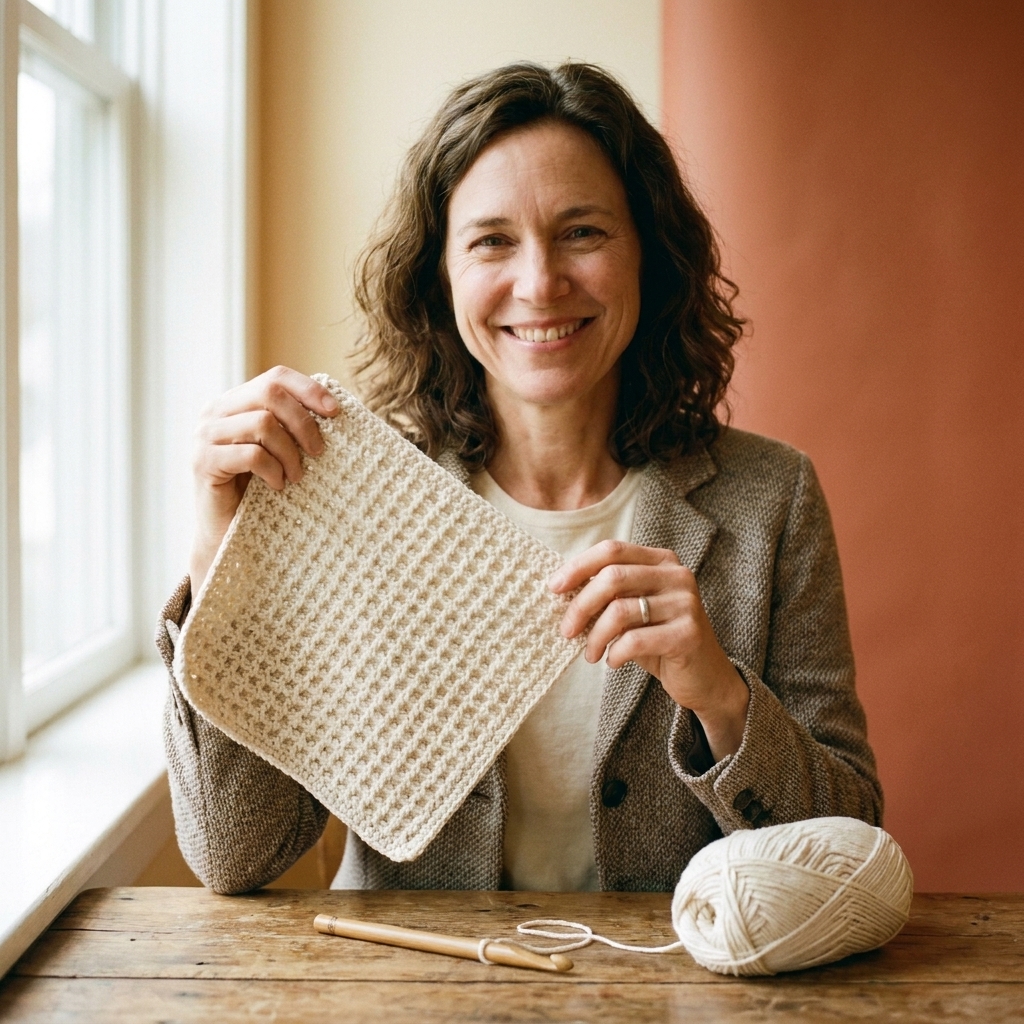
Most beginners make a dishcloth faster in crochet, especially in a simple square of single crochet or half double crochet. Crochet stitches are taller and build fabric quickly.
Knitting can feel slower at first, but once your hands learn the rhythm, garter stitch dishcloths become delightfully mindless. I also find knitting easier to do while watching a show, because the movements can become very automatic.
If your goal is a fast win, crochet is often the quickest path. If your goal is calming repetition, knitting has a special kind of magic.
Yarn choice: the secret to a great dishcloth
Before we get to patterns, let us talk yarn, because the “best stitch” in the world cannot save the wrong fiber.
Use cotton (almost always)
- 100% cotton is absorbent, washable, and handles heat well.
- Cotton-linen blends can be lovely and quick-drying, but may feel stiffer at first.
- Be cautious with acrylic if you plan to use the cloth around high heat (like grabbing a hot lid or touching hot pans). Acrylic is less absorbent than cotton and can deform with enough heat. For normal wiping and dishwater, people do use it, but cotton is the classic for good reasons.
Recommended yarn weight
Worsted weight cotton is the easiest starting point for both knitting and crochet. It is thick enough to see your stitches clearly, but not so bulky that it feels like scrubbing with a bath mat.
How much yarn do you need?
One standard 8 to 10 inch dishcloth usually takes about 30 to 50 g of worsted cotton (roughly 1 to 2 oz), depending on your stitch pattern and how tight you work.
Color tip you will thank yourself for later
Mid-tones hide stains better than pure white, and very dark colors sometimes show soap residue. My favorite “real life” dishcloth colors are sage, denim blue, charcoal, and mustard. Yes, mustard. No, I do not know why my kitchen has turned into a fall palette either.
Dishcloths vs. washcloths vs. potholders
Dishcloth and washcloth patterns are often interchangeable. The main difference is how you use them (and whether you care about “face soft” vs. “scrubby”).
A dishcloth is not automatically a potholder. Even in cotton, a loose fabric can let heat through fast. If you want something for hot handles, make a dedicated potholder or trivet with a dense fabric, appropriate thickness, and a pattern designed for heat protection.
Beginner knit dishcloth patterns (simple and useful)
All of these patterns use straight needles or circular needles (worked flat). Choose what feels comfortable.
1) The no-fuss garter stitch square
Best for: absolute beginners, practicing tension, a cloth that lies flat.
You will practice: casting on, knit stitch, binding off.
Materials: worsted weight cotton, US 7 to US 9 needles.
Pattern
- Cast on 32 stitches (or 28 for a smaller cloth).
- Row 1 and onward: Knit every stitch.
- Continue until the cloth is roughly square, usually 55 to 65 rows depending on your gauge.
- Bind off loosely.
Beginner saves
- If the sides look like they are growing little “bumps,” you are probably adding stitches. Count your stitches every few rows. This is not you being bad at knitting. This is knitting being knitting.
- If your cloth is ruffling, your bind off may be too tight. Bind off with a needle one size larger, or focus on keeping your bind-off loops relaxed.
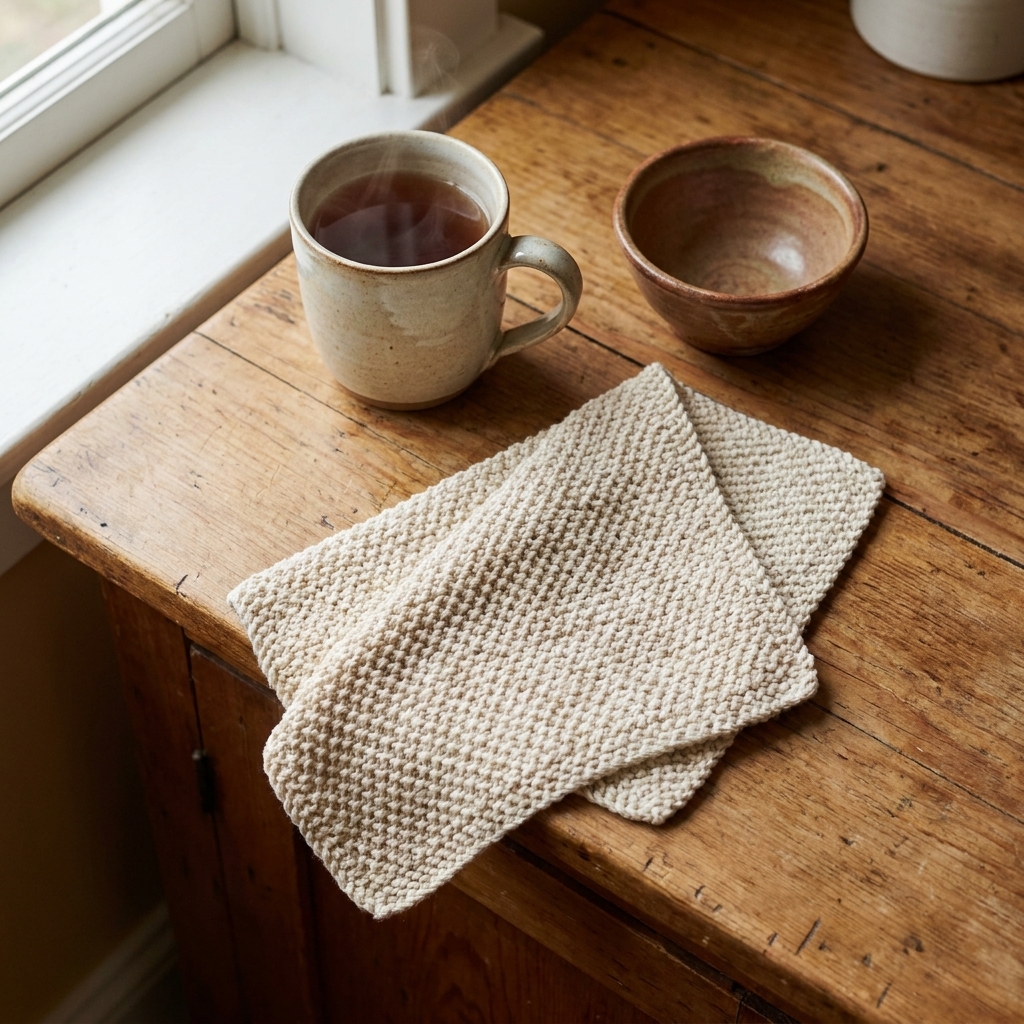
2) Seed stitch scrubby cloth (still beginner friendly)
Best for: a little extra texture without crochet-level thickness.
You will practice: knit and purl, reading your stitches.
Pattern
- Cast on an even number of stitches, like 32.
- Row 1: K1, P1 across.
- Row 2: P1, K1 across.
- Repeat Rows 1 and 2 until square.
- Bind off in pattern if you can (knit the knits, purl the purls), or bind off knitwise for simplicity.
Beginner crochet dishcloth patterns (fast, sturdy, satisfying)
Pick a hook size that lets you crochet without wrestling the yarn. A dishcloth should be firm, not stiff.
1) The classic single crochet square
Best for: speed, durability, and learning straight edges.
You will practice: chaining, single crochet, turning chains, counting stitches.
Materials: worsted weight cotton, 5.0 mm to 6.0 mm hook.
Pattern
- Chain 31. For many people this lands in the 8 to 10 inch range, but beginner tension varies a lot. If you want a bigger cloth, chain a few extra stitches.
- Row 1: Single crochet in the 2nd chain from the hook and in each chain across. (30 single crochets.)
- Row 2: Chain 1, turn. Single crochet in each stitch across. (30.)
- Repeat Row 2 until the cloth is roughly square.
- Finish: Fasten off, weave in ends.
Beginner saves
- If your edges slant, you are probably skipping the first or last stitch. Count your stitches each row until your hands learn the habit.
- If the cloth is curling like a potato chip, go up a hook size or loosen your tension.
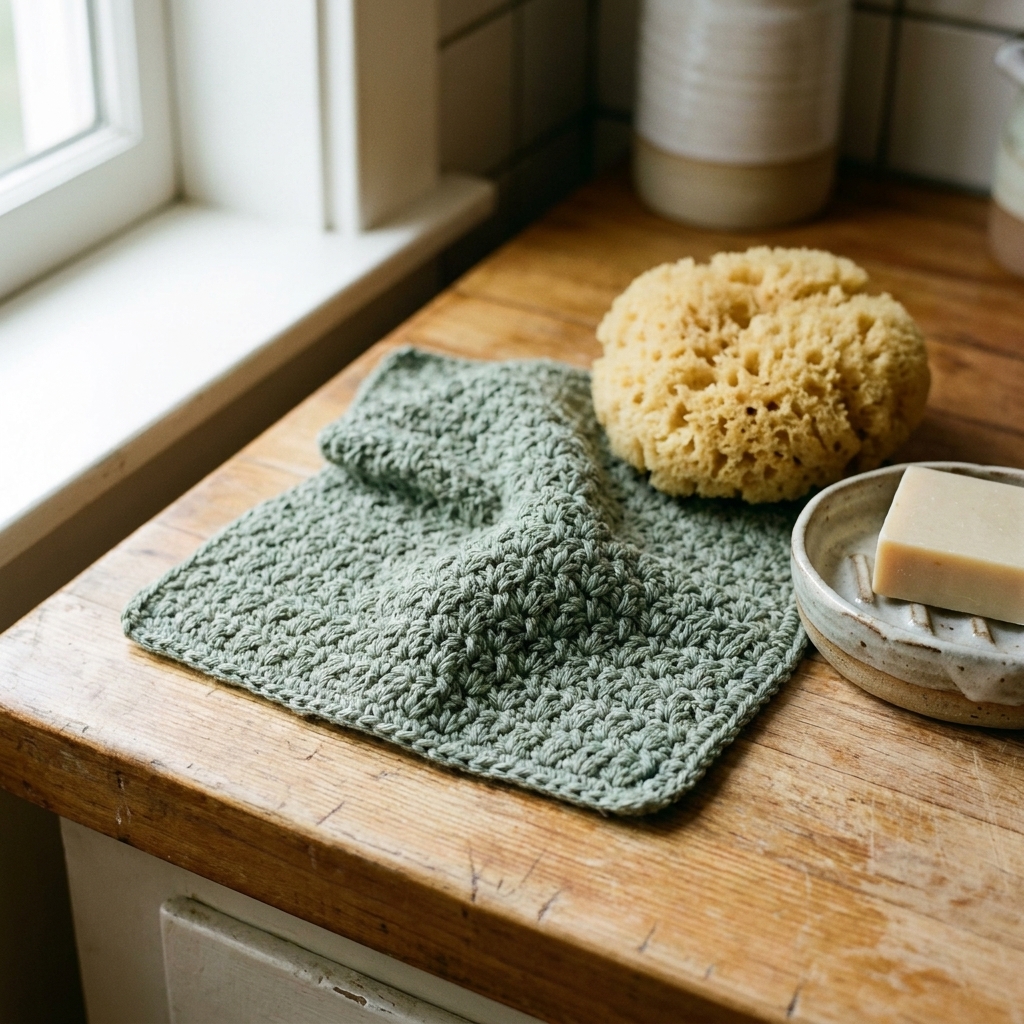
2) Lemon peel stitch cloth (my favorite “pretty but practical”)
Best for: a textured cloth that still feels flexible in the hand.
You will practice: single crochet, double crochet, repeating a simple pattern.
Pattern
- Chain an even number, like 32.
- Row 1: Single crochet in 2nd chain from hook, double crochet in next chain, single crochet in next chain repeat across.
- Row 2: Chain 1, turn. Work single crochet into the double crochet and double crochet into the single crochet across.
- Repeat Row 2 until square.
- Finish: Fasten off, weave in ends.
Edges, borders, and hanging loops (optional, but nice)
Dishcloths do not need extras, but a tidy edge and a loop can make them feel finished and giftable.
Knit: easiest loop
- After binding off, use a tapestry needle to sew a small loop in one corner with the yarn tail.
- Or pick up a few stitches at the corner and knit an I-cord loop if you want to get fancy later.
Crochet: simplest border
- Single crochet evenly around the edge, placing 3 single crochets in each corner so it lays flat.
- To add a loop: chain 10 to 15 at a corner, slip stitch back into the same corner, then continue the border.
Care tips: keep your cloths fresh
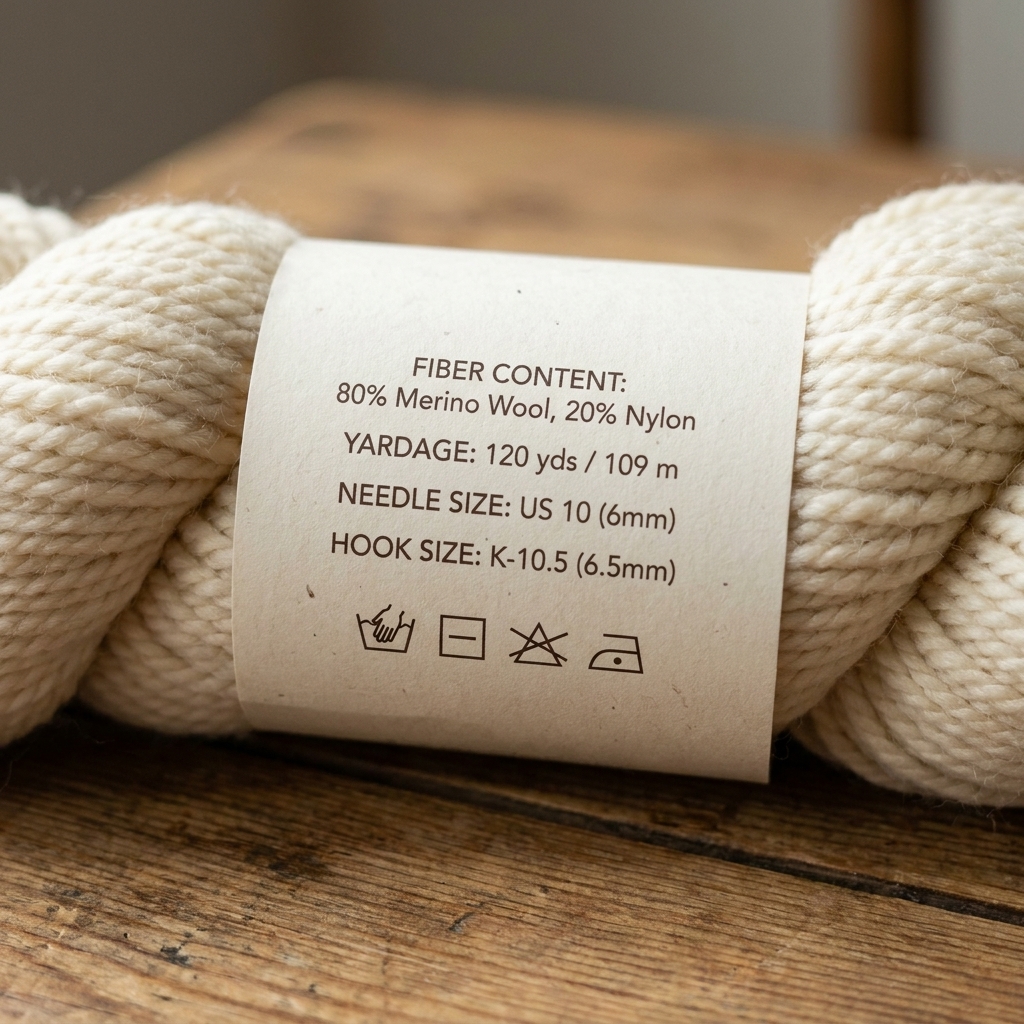
- Wash warm or hot, dry thoroughly: Most cotton can handle it, and it helps keep odors away. Check your yarn label and expect some shrinkage, especially after the first wash.
- Skip fabric softener: It can reduce absorbency.
- Rotate cloths: Make two or three and cycle them so they dry fully between uses.
- Expect shrinkage: Cotton often tightens up after the first wash and dry. That is normal and usually improves the fabric.
Which should you choose for your first dishcloth?
If you are truly torn, here is my gentle nudge:
- Pick knitting if you want a relaxing, repetitive project that teaches foundational skills for sweaters, hats, and scarves.
- Pick crochet if you want the fastest path to a sturdy cloth and you love bold texture.
And if you can do both, make one knit garter square and one crochet single crochet square. Use them for a week. Your hands will tell you which fabric you enjoy making and using. That is the best kind of data.
Beginner FAQ
What size should a dishcloth be?
Most dishcloths land around 8 to 10 inches square. Bigger is great for wiping counters. Smaller is great for dishes and quick cleanup.
What cotton yarn is best?
Look for a smooth, worsted weight 100% cotton that is labeled machine washable. Many kitchen cottons are slightly splitty. If that drives you bonkers, choose a more tightly plied cotton so your hook or needle does not snag strands.
Do I need to block a dishcloth?
You can, but you do not have to. If your cloth is a little wonky, a quick wet block helps: soak, gently squeeze out water (do not wring), pat into shape, let dry. After a wash cycle, most cotton dishcloths settle nicely on their own.
My dishcloth is getting wider. What is happening?
In knitting, you are likely adding stitches accidentally, often by knitting into the little gap between stitches at the edge. In crochet, you are likely adding stitches by working extra stitches into the turning chain area. Counting stitches is the fastest fix while your hands learn the edges.