If your hands start whispering complaints after a few rows, you are not alone. I love crochet with my whole heart, but my wrists have absolutely filed formal complaints during marathon blanket phases. The good news is that an ergonomic crochet hook really can change how your hands feel, especially if you deal with hand fatigue, wrist pain, arthritis, carpal tunnel symptoms, or grip issues.
This guide compares some of the best ergonomic crochet hooks on the market and explains what actually matters: handle shape, diameter, weight, material, and how you personally hold your hook. Because the “best” hook is not universal, it is the one that lets you stitch comfortably for longer without paying for it later.
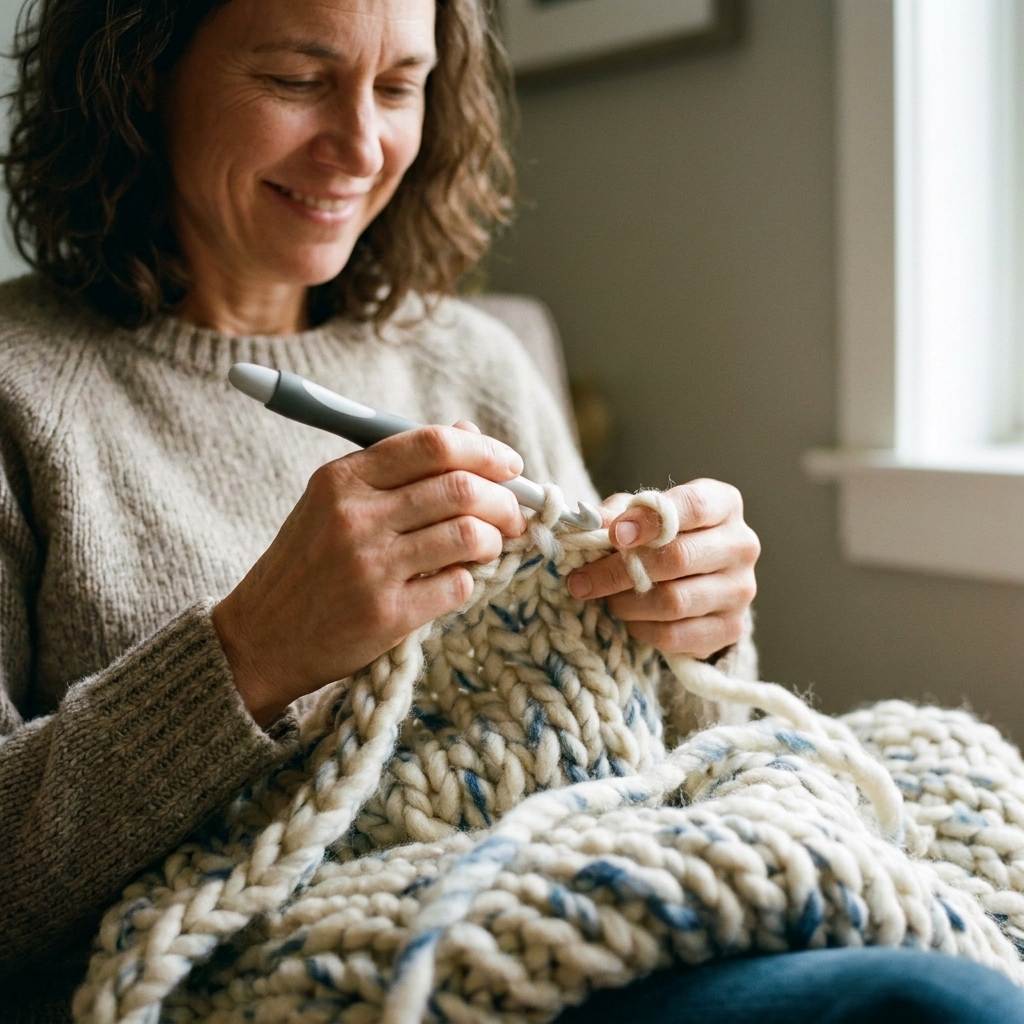
What makes a crochet hook ergonomic?
Most standard aluminum hooks are basically slim little pencils. That works for some folks, but for many hands it means you have to grip tighter to control the hook. Ergonomic hooks aim to reduce strain by helping you hold the hook with less pinch and less tension.
Key ergonomic features to look for
- Thicker handle diameter: A larger handle often reduces the “pinch grip” that can aggravate the thumb base and wrist.
- Comfortable handle shape: Some are round, some oval, some have a flattened thumb rest. Shape matters more than branding.
- Grippy material: Soft-touch silicone or rubber can help you relax your grip. Too squishy can also cause over-gripping for some people, so balance is key.
- Low-friction hook tip: A smooth aluminum or resin tip that glides through stitches can reduce the micro-effort of every pull-through.
- Weight and balance: A heavier hook can reduce “death grip” for some people, while others do better with lightweight hooks that do not tire the forearm.
Quick gut-check: If you find your shoulder creeping up toward your ear while you crochet, you are probably compensating for an uncomfortable grip. A better handle can help you relax all the way up your arm.
My top ergonomic crochet hook picks
Below are standout options makers consistently love for comfort. I am focusing on hooks that are widely available, have a good track record for smooth stitching, and come in sizes most of us actually use.
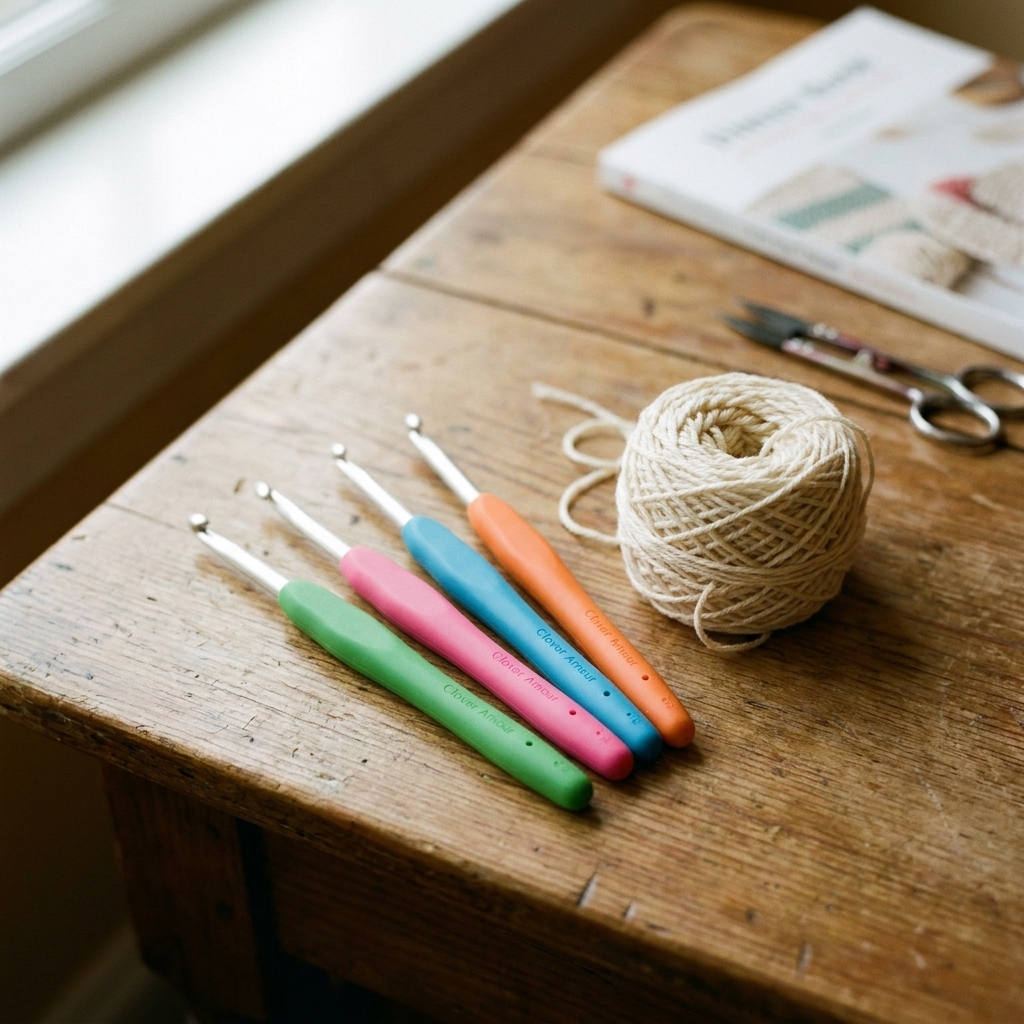
Clover Amour: best all-around ergonomic hook set
If I had to pick one ergonomic line for most crocheters, it would be Clover Amour. They have a soft, slightly cushioned handle that is not overly squishy, plus an aluminum hook that glides beautifully. The handles are color-coded by size, which sounds like a small thing until you are digging through a project bag.
- Best for: Most grip styles, beginners, long sessions, general hand fatigue
- Feel: Soft handle with a stable core, smooth aluminum tip
- Why it helps: Encourages a looser grip without feeling bulky
- Watch-outs: If you need a very large handle due to arthritis, you may want something thicker
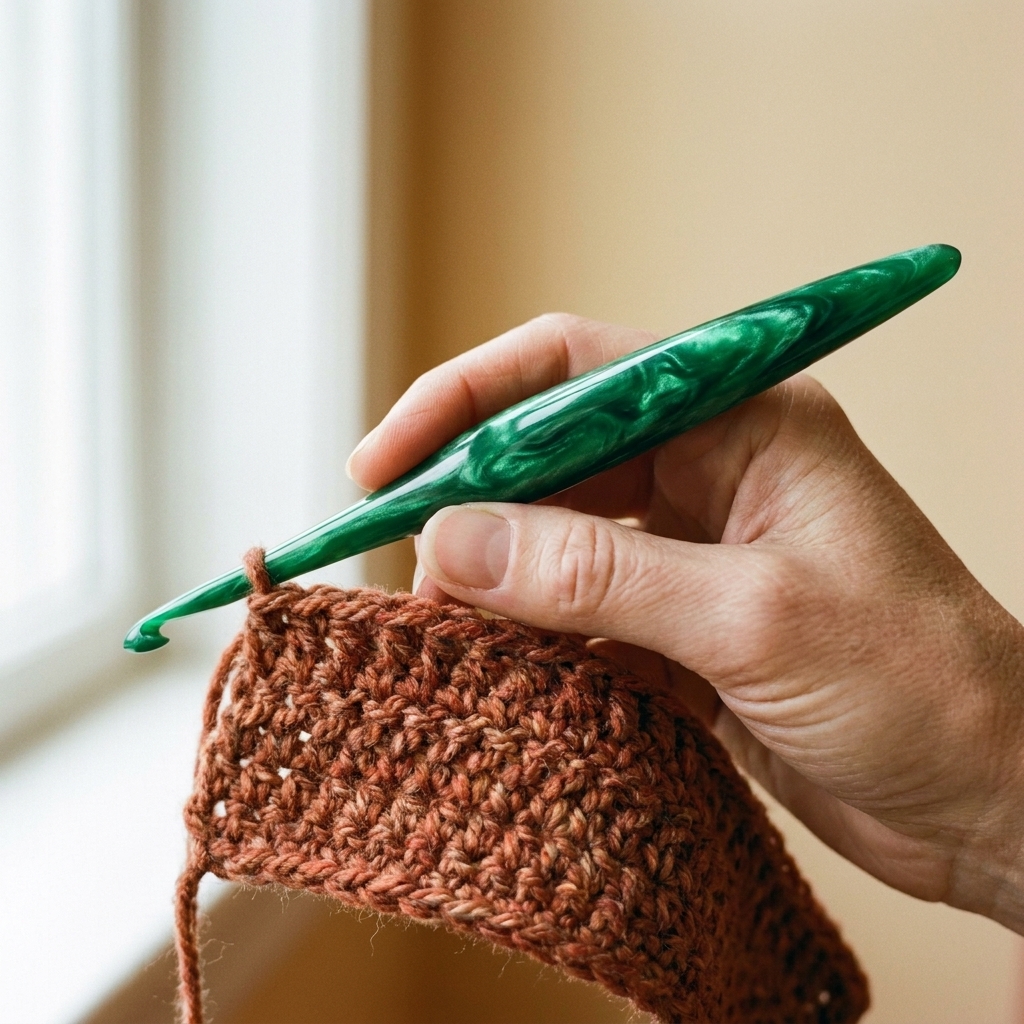
Furls Odyssey: best luxury ergonomic hook for a relaxed grip
Furls Odyssey hooks are known for their gorgeous looks and their smart, tapered shape. They are often a “finally my hand relaxed” moment for crocheters who tend to grip too hard. The resin body has some weight and warmth in the hand, which can feel soothing during longer sessions.
- Best for: Tight tension crocheters, people who like a heavier hook, long blanket projects
- Feel: Smooth, weighty, sculpted handle that fills the palm
- Why it helps: Weight plus ergonomic shaping can reduce clenching
- Watch-outs: Higher price point, resin can be slippery for some hands, and you will want to treat them gently in a packed tote
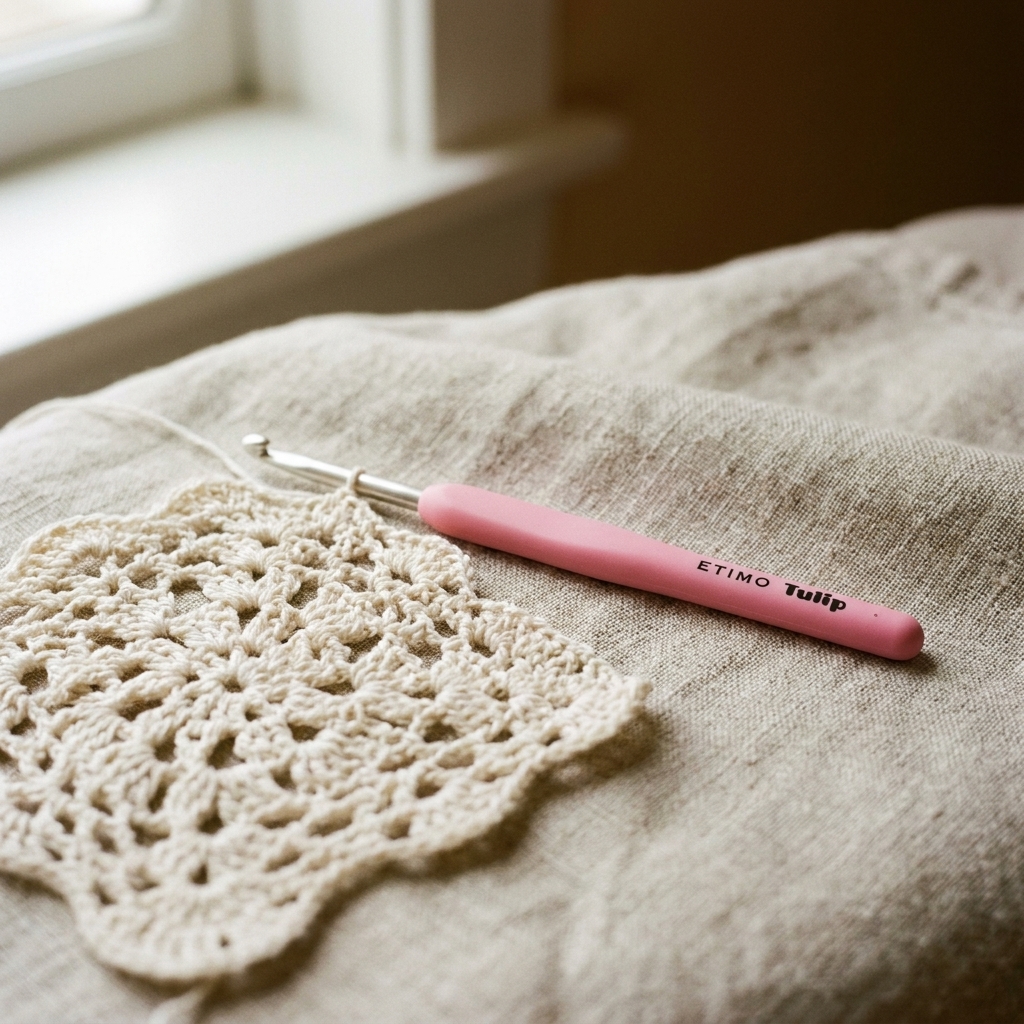
Tulip Etimo: best for a pencil grip and precise stitching
If you love a pencil-style grip and want something refined and very smooth, Tulip Etimo hooks are a dream. The handle is comfy without being oversized, and the hook head shape is consistently praised for being snag-free and precise.
- Best for: Pencil grip crocheters, lace and garments, consistent tension
- Feel: Soft, slightly matte handle and a very smooth tip
- Why it helps: Comfort without sacrificing control
- Watch-outs: If you need a thicker handle, this might not be “big” enough
Boye Ergonomic and Susan Bates Soft Ergonomic: best budget-friendly options
If you are not ready to invest in a full set, Boye Ergonomic and Susan Bates Soft Ergonomic hooks are easy-to-find, lower-cost ways to test whether a cushioned handle helps your hands.
The main difference is the hook style: Boye is the classic tapered hook with a rounded head, while Susan Bates is the classic inline hook, known for a more pointed head that some crocheters find faster and more “grabby” in a good way. Comfort is personal, so if possible, try the size you use most (often H/5.0 mm or I/5.5 mm) before buying a whole set.
- Best for: Beginners, trying ergonomic hooks on a budget, stocking extra hooks
- Feel: Cushioned handle, lighter overall
- Why it helps: Bigger, softer grip than plain metal hooks
- Watch-outs: Quality and finish can vary, and some handles feel bulky to smaller hands
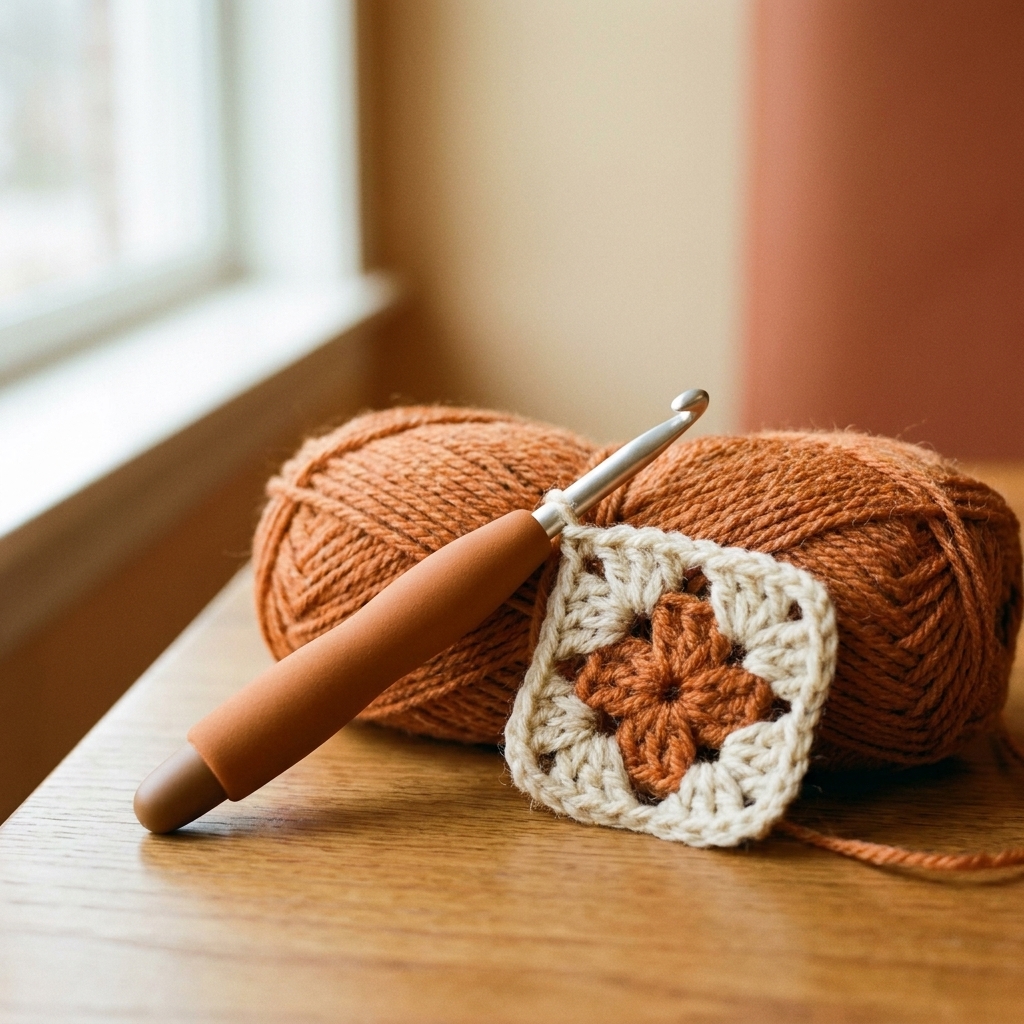
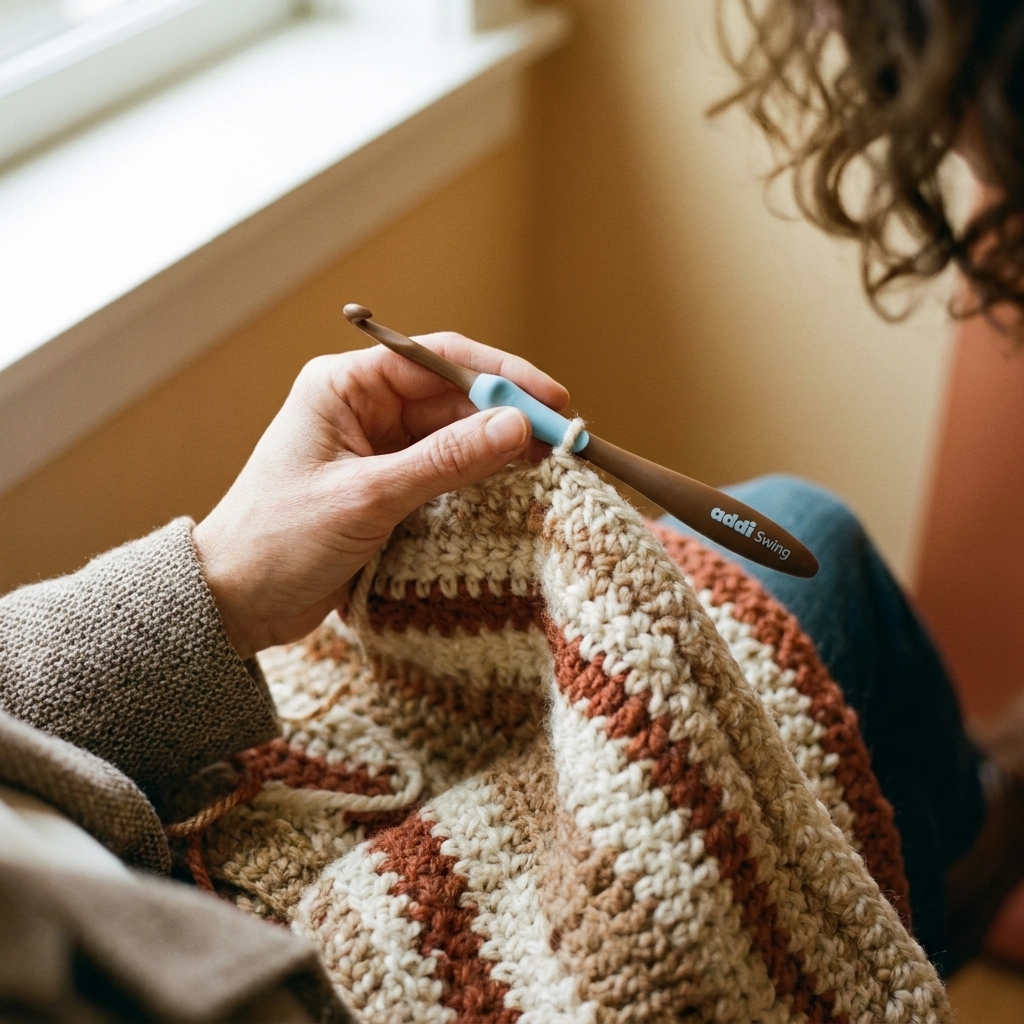
Addi Swing: best shaped handle for sore hands
Addi Swing hooks have a very distinct shape with a curved, flattened grip that encourages a more relaxed hand position. They are popular with crocheters who get thumb or wrist discomfort because the handle can reduce the need to pinch.
- Best for: Hand pain, thumb strain, crocheters who like a guided hand position
- Feel: Sculpted handle with a defined thumb rest
- Why it helps: The shape does some of the “holding” work for you
- Watch-outs: If you dislike being told where your thumb should go, the shape can feel restrictive
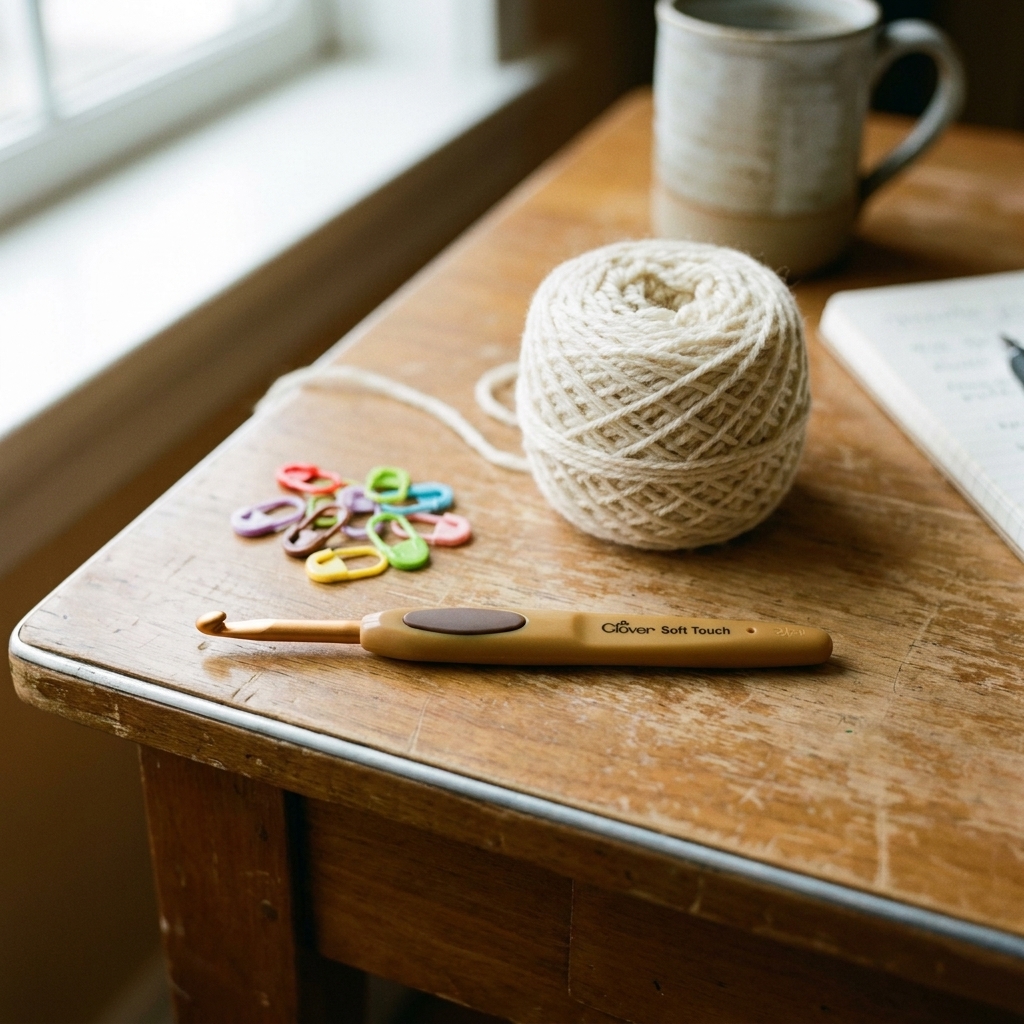
Clover Soft Touch: best for carpal tunnel style discomfort
Clover Soft Touch hooks have a slightly different feel than Amour. The handle is flatter with a broader thumb rest, which many crocheters find helpful when wrist or thumb pain flares. They are also light, which can be a plus if forearm fatigue is part of your issue.
- Best for: Wrist discomfort, thumb pain, crocheters who like a flatter grip
- Feel: Lightweight with a firm, ergonomic thumb platform
- Why it helps: Promotes a stable hold with less pinching
- Watch-outs: Not everyone loves the flatter profile, especially with a knife grip
How to choose the right ergonomic hook for your hands
If you only take one thing from this article, let it be this: your grip style matters. The most expensive hook in the world will not feel good if it fights the way your hand naturally wants to hold it.
Step 1: Identify your grip
- Pencil grip: You hold the hook like a pencil. Many pencil-grip crocheters like Tulip Etimo or Clover Amour.
- Knife grip: You hold the hook like a dinner knife, with more of the handle in your palm. Many knife-grip crocheters like Furls Odyssey, Clover Amour, or Addi Swing depending on hand size.
Step 2: Match handle size to your comfort
As a general rule, bigger handles can mean less pinch. If your thumb base aches, go thicker. If your hand is small and you feel clumsy with a big grip, choose moderate thickness with a grippy finish.
Step 3: Consider the yarn you use most
- Sticky fibers (some wools, some acrylics): A very smooth hook head can reduce friction.
- Splitty yarns (some cottons, some singles): A well-shaped hook head that does not snag is your best friend.
- Plush yarns: Comfort matters because projects are big, but you also want a hook head that grabs loops cleanly without disappearing into the fuzz.
Step 4: Try one hook before buying a full set
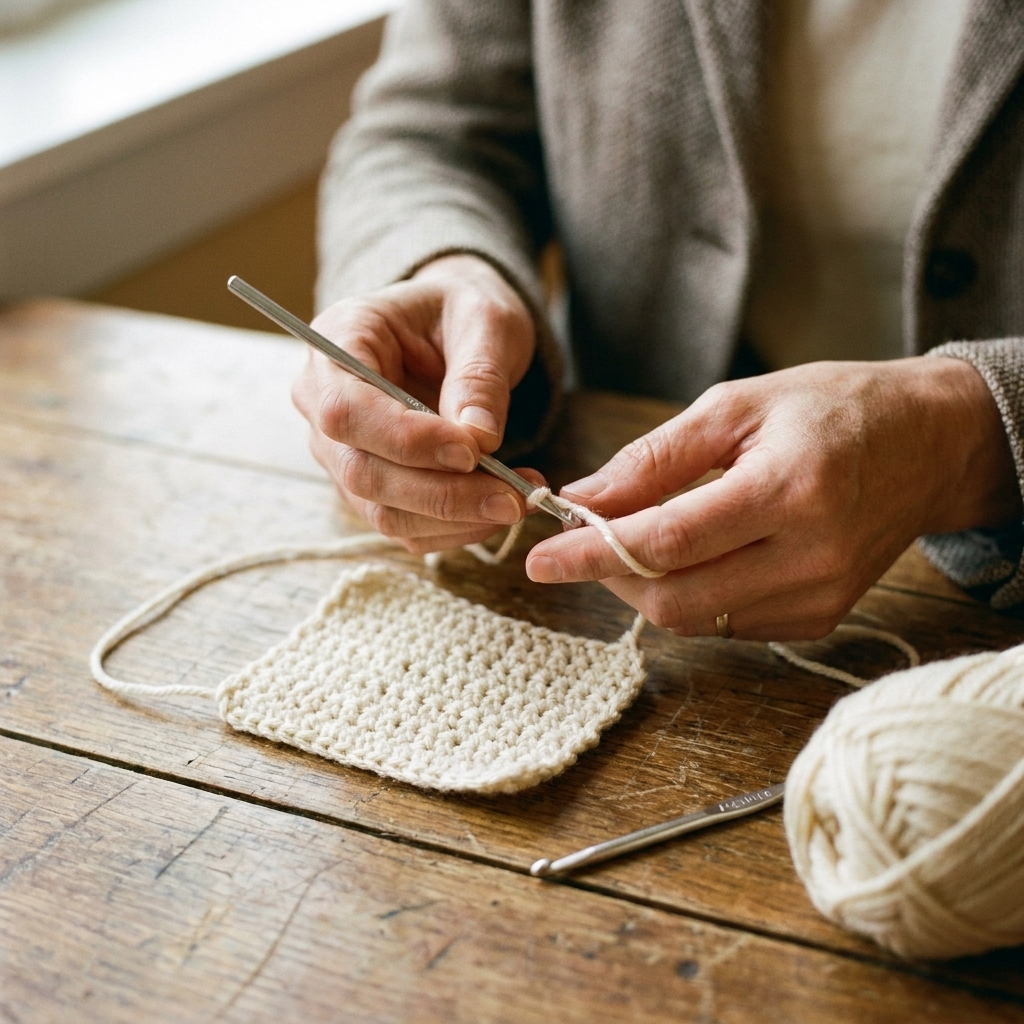
I know, sets are tempting. My yarn stash and I are not here to judge. But if hand pain is the concern, buy one ergonomic hook in the size you reach for most and do a two-evening test: one evening for speed, one for slow relaxed stitching. Your hands will tell you the truth.
Ergonomic hook tips that help even more
A great hook is a big piece of the comfort puzzle, but it is not the only piece. These small adjustments can make an ergonomic hook work even better.
Loosen your grip on purpose
Every few minutes, do a quick “grip audit.” Wiggle your fingers, drop your shoulders, and see if you are squeezing like you are trying to juice an orange. Most of us are.
Support your arms
Resting your forearms on a pillow or armrests can take strain off your wrists. This is especially helpful for heavier projects like blankets.
Take micro-breaks
Set a gentle timer for 25 to 30 minutes. Stand up, shake out your hands, and roll your shoulders. Your future self will send you a thank-you note.
Warm up your hands
Warm water, a heating pad, or even holding a mug of tea for a minute can make stiff hands feel more cooperative before you start stitching.
Friendly reminder: Persistent pain, numbness, or tingling deserves real medical attention. Tools can help a lot, but they should not be used to push through symptoms that are getting worse.
Frequently asked questions
Do ergonomic crochet hooks really prevent pain?
They can reduce strain by helping you grip less tightly and keeping your wrist in a more neutral position. For many crocheters, that means less pain and fewer flare-ups. They are not a cure-all, but they are one of the highest-impact tool upgrades you can make.
Which ergonomic crochet hook is best for arthritis?
Many crocheters with arthritis prefer a thicker handle that fills the palm, like Furls Odyssey or Addi Swing. That said, arthritis looks different from person to person. If swelling and grip strength are issues, prioritize a bigger handle and a smooth hook head to reduce effort.
Should I switch hook brands if my tension changes?
Yes, and it is totally normal. Different hook heads and handle shapes can change how your stitches form. If you switch hooks mid-project, check your gauge with a small swatch first, especially for garments.
Are inline hooks or tapered hooks more comfortable?
Comfort depends on how you move your wrist and how your yarn flows. Inline hooks can feel more “secure” when catching the yarn, while tapered hooks can feel smoother for sliding through loops. If your hand pain is tied to tugging and resistance, you might prefer the one that glides more easily for your yarn and stitch style.
My bottom line picks
If you want the short version, here is how I would choose:
- Most people, best overall: Clover Amour
- Luxury comfort and relaxed grip: Furls Odyssey
- Pencil grip and precision: Tulip Etimo
- Guided ergonomic shape: Addi Swing
- Flatter thumb support: Clover Soft Touch
- Budget test run: Boye Ergonomic or Susan Bates Soft Ergonomic
And if you are sitting there thinking, “Clara, I just want to crochet in peace without my wrist yelling at me,” I get it. Start with one hook in your most-used size, pair it with a cozy arm pillow, and give yourself permission to take breaks. Slow fashion means slow hands, too.