When you are first learning to knit or crochet, it is tempting to believe you only need yarn and a hook or needles. And technically, yes. You can make a scarf with just those two things. But if you want your project bag to feel calm, organized, and ready for the little hiccups that happen to every maker (including me, queen of “how did that knot get in there?”), a few small tools make a huge difference.
Below are the 10 essentials I recommend for beginners. They are genuinely useful for both knitting and crochet, and they will save you time, frustration, and a lot of recounting.
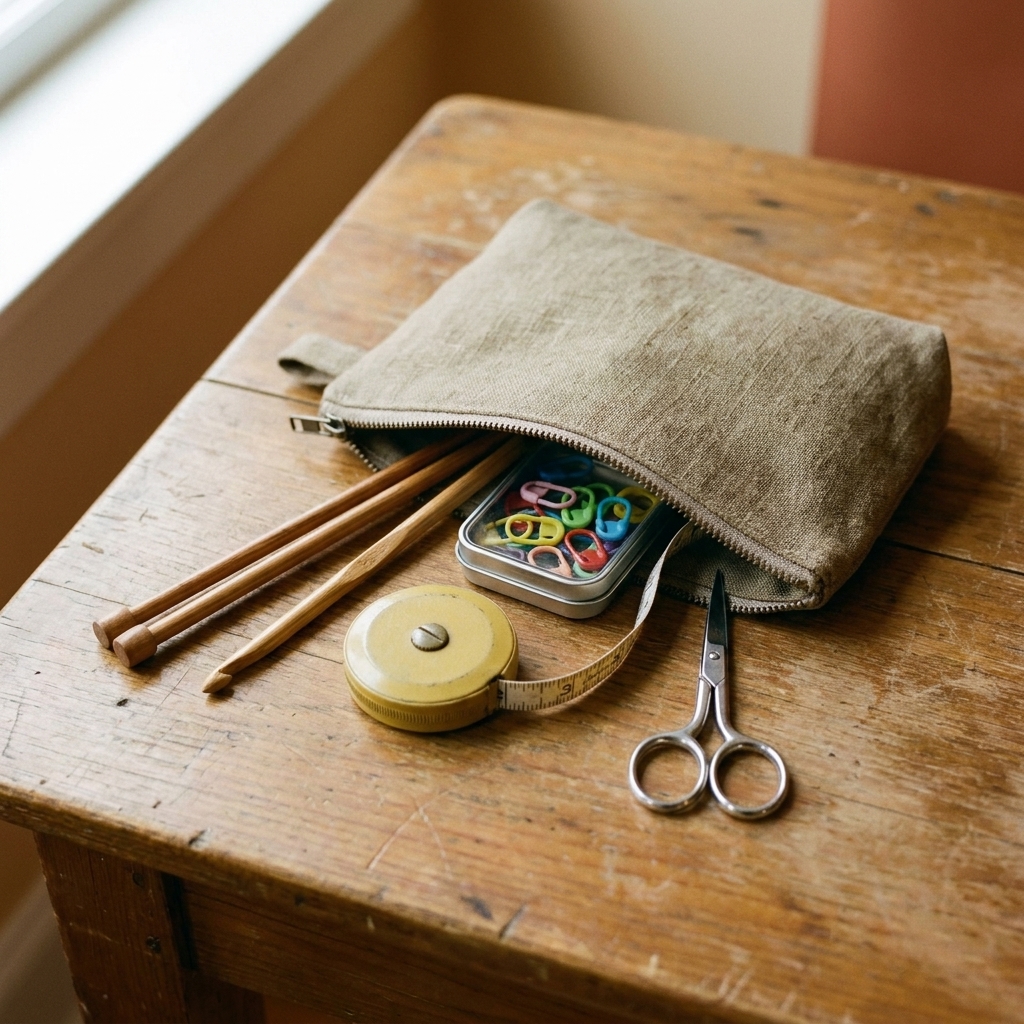
1) Stitch markers
Stitch markers are tiny, but they do big emotional labor. They keep you from counting the same 24 stitches seventeen times because someone talked to you mid-row.
What they help with
- Marking the beginning of a round in circular knitting or crocheting in the round
- Marking repeats in a pattern, like every 10 stitches
- Marking where increases or decreases should happen
- Holding your place when you need to set your work down
Beginner tip
For crochet, choose locking stitch markers (the ones that open and close). For knitting, you can use locking markers or simple ring markers, but make sure ring markers are sized to fit over your needle.
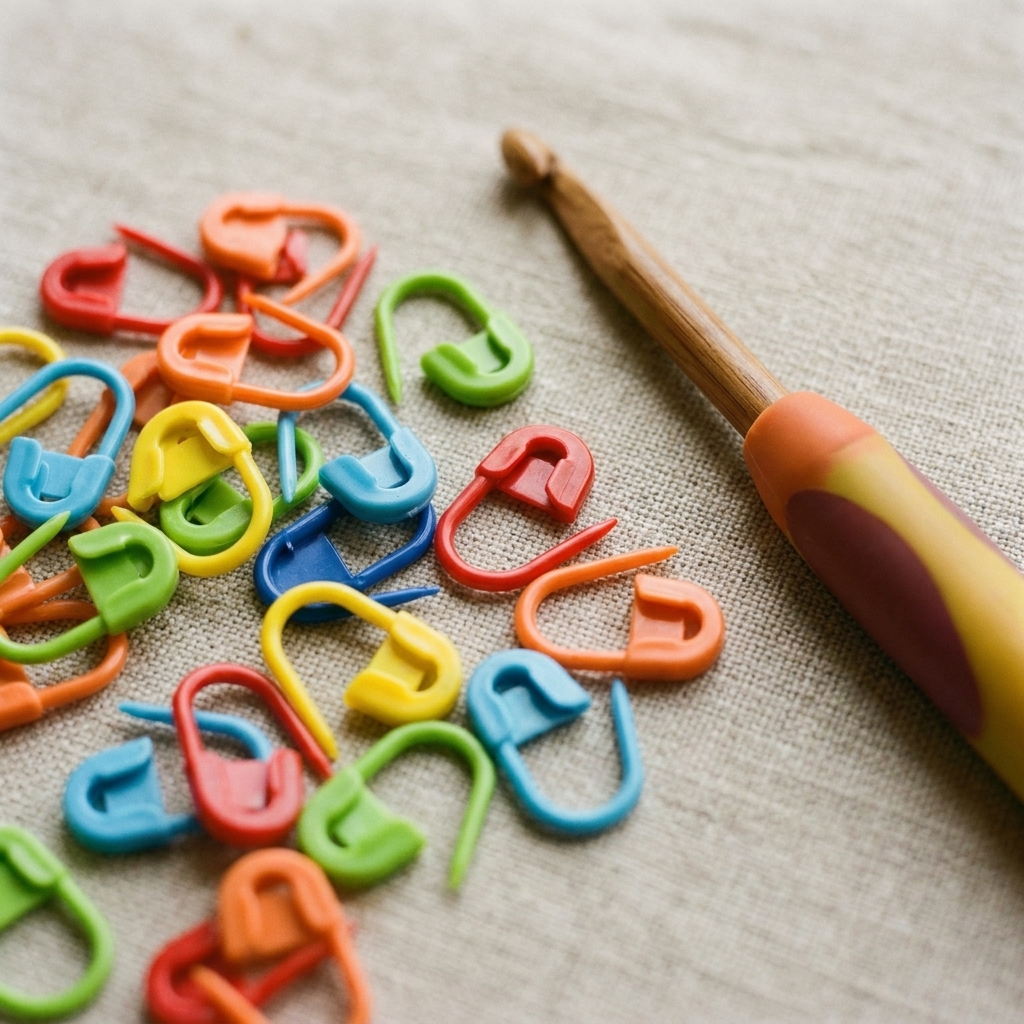
2) Tapestry needle
A tapestry needle (also called a yarn needle) is how you turn a piece that looks handmade in the best way into a piece that looks handmade in the polished way. You will use it to weave in ends and to seam pieces together.
What to look for
- Blunt tip for most yarn work so you do not split fibers
- Big eye so threading thicker yarn is easier
- A small set with a few sizes for different yarn weights
If you only buy one: a medium blunt tapestry needle will cover most worsted-weight beginner projects.
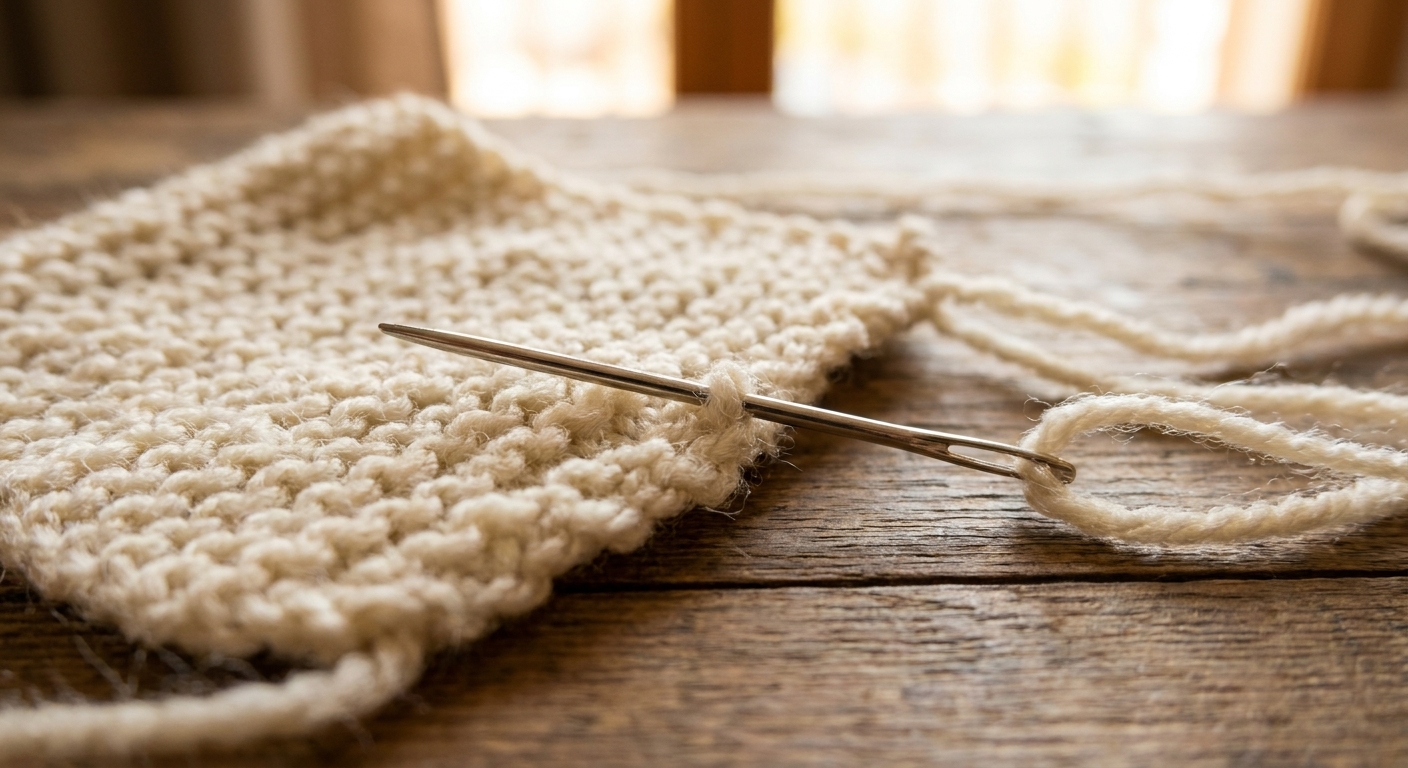
3) Small, sharp scissors
You do not need fancy scissors. You need scissors that cut yarn cleanly without chewing it.
Why it matters
- Clean cuts make weaving in ends easier
- Snipping evenly helps prevent fraying, especially with plied yarns
- Good scissors are safer than “I will just rip it with my teeth” (ask me how I know)
Keep a small pair in your project bag, and if you travel, consider blunt-tip travel scissors for peace of mind.
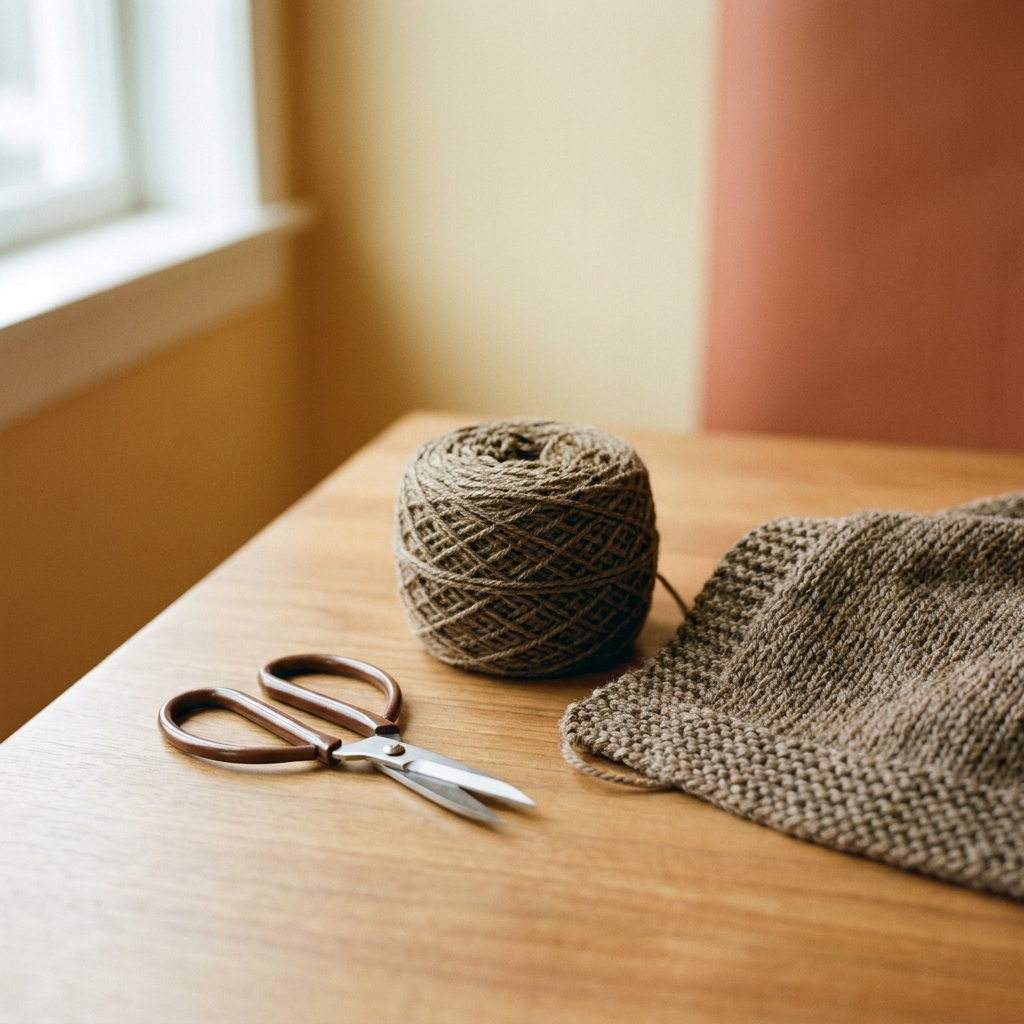
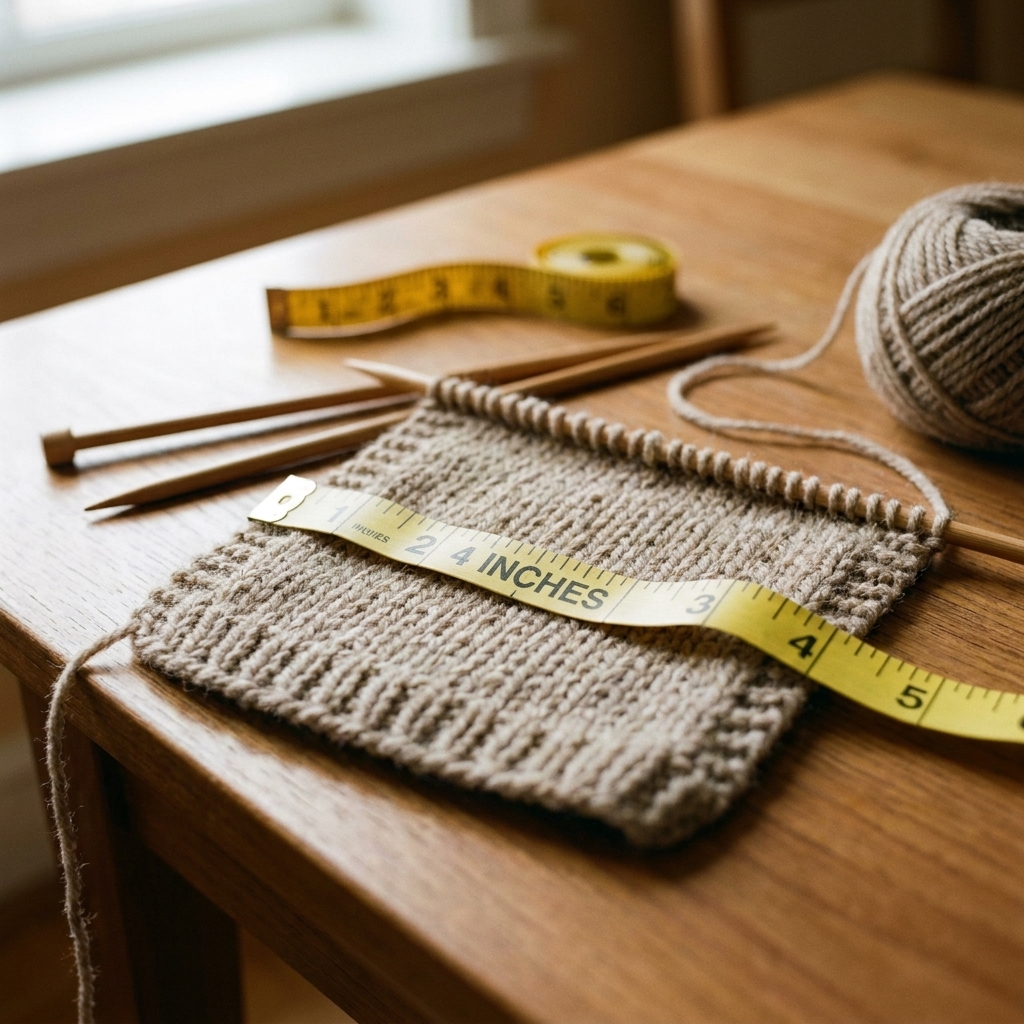
4) Measuring tape
A flexible measuring tape is essential for wearables, blankets, and anything where size matters. It is also your reality check tool. That sleeve might look long enough, but the tape does not lie.
Common beginner uses
- Checking scarf length and blanket width
- Measuring hat circumference
- Comparing your project to the dimensions listed in a pattern
Choose a tape that shows both inches and centimeters, since patterns use both.
5) Gauge ruler
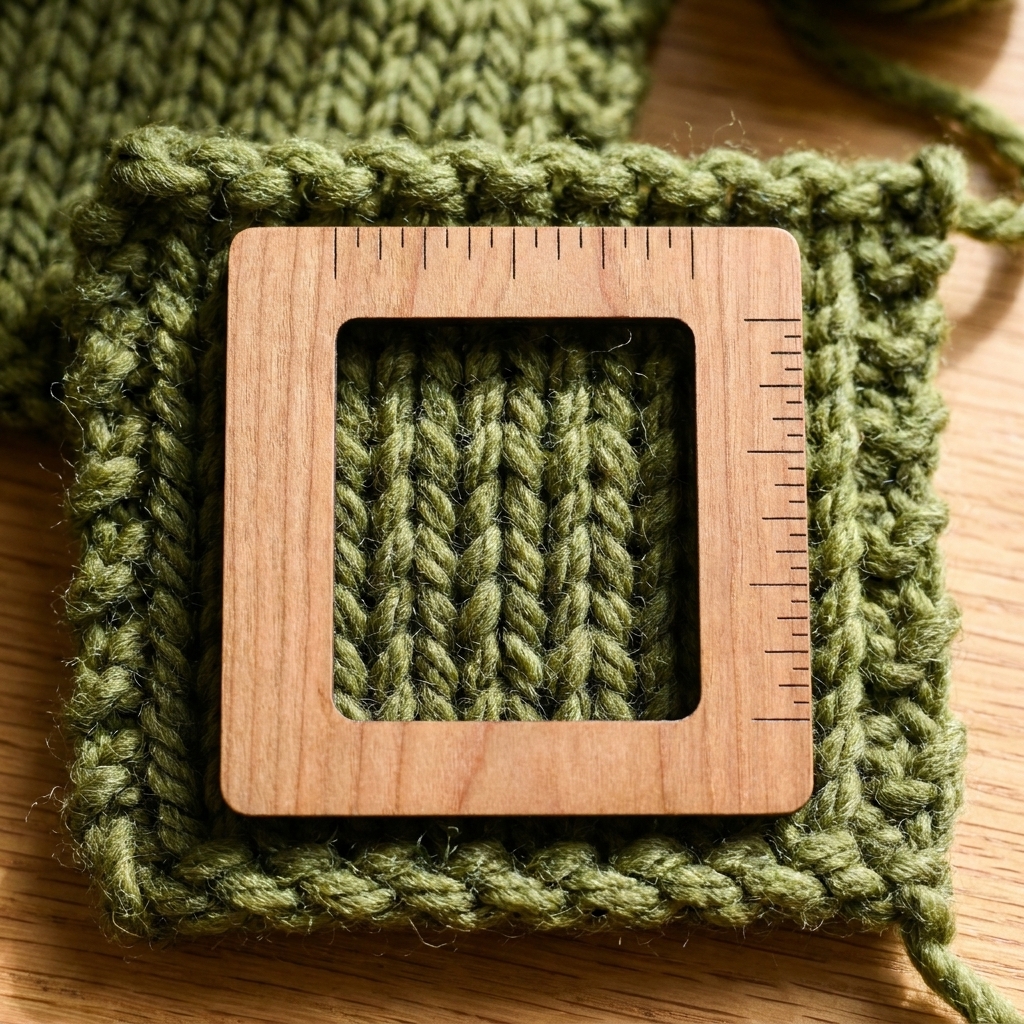
If you have ever heard knitters whisper about gauge like it is a haunted house, I promise it is not that scary. A gauge ruler (or gauge tool) simply makes it easier to count stitches and rows per inch or per 10 cm, which helps your finished size match the pattern.
Why beginners benefit from one
- It gives you a consistent window to count stitches
- Many include a needle size or hook size cutout for quick ID
- It is faster than eyeballing with a tape measure
For fitted wearables like sweaters and hats, gauge is effectively non-negotiable if you want the intended size. For a dishcloth, it is a great low-pressure way to practice checking gauge.
6) Row counter
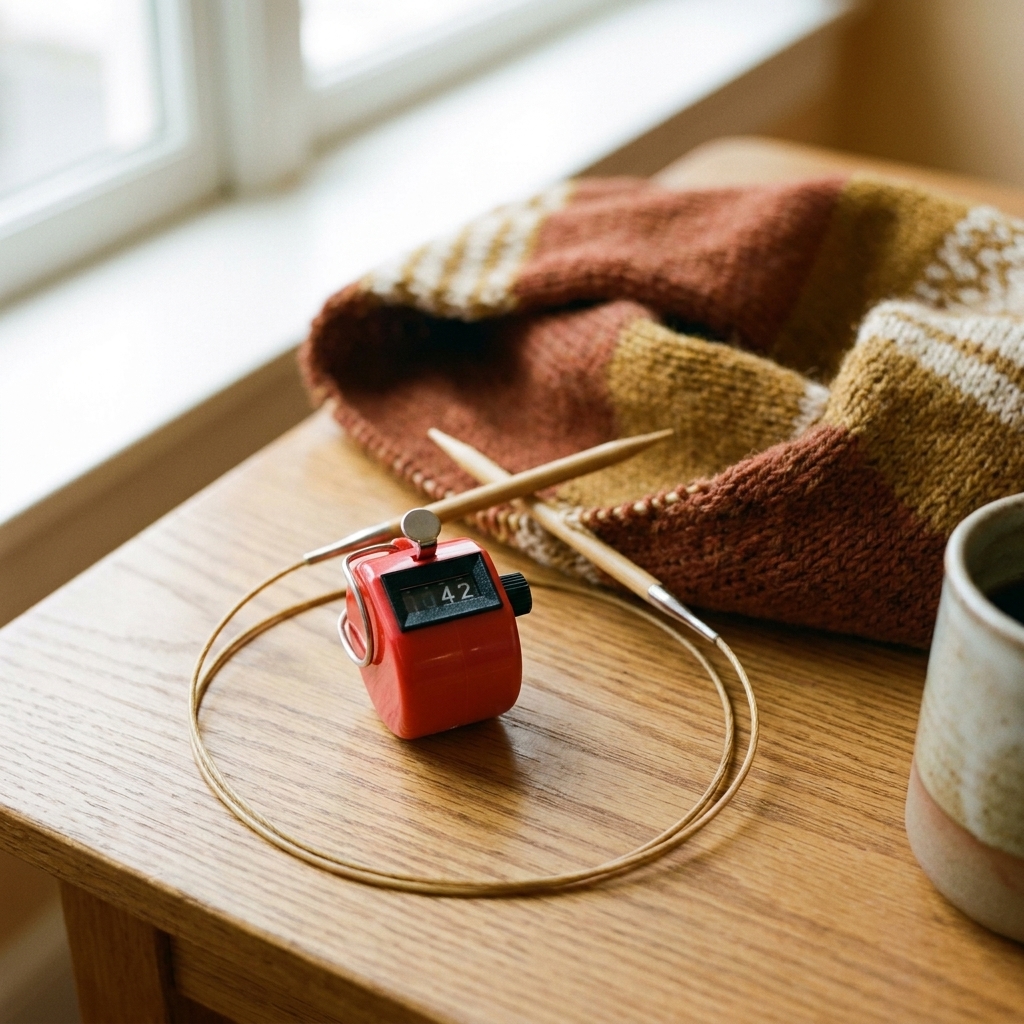
Counting rows is one of those tasks that seems easy until you live it. A row counter keeps you from guessing whether you are on row 23 or 25. That guessing game gets old fast.
Options that work
- Clicker row counter you tap at the end of each row
- Ring row counter that sits on your needle
- Low-tech method: write tallies on paper or in your notes app
My teacher heart says: pick a method you will actually use. The best row counter is the one you remember to click.
7) Hooks and needles
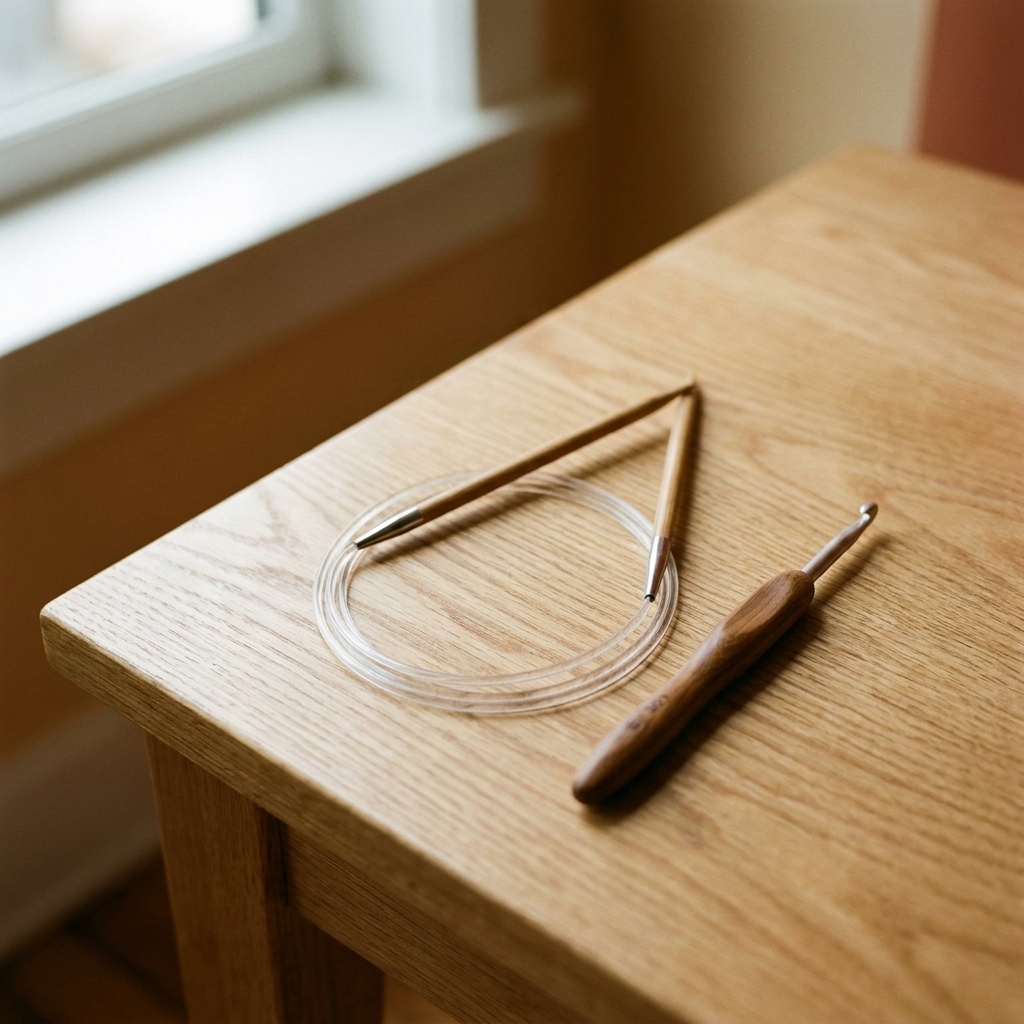
Yes, your hook or needles count as a “tool.” And yes, the temptation to buy a 40-piece set is real. But as a beginner, you will learn faster with a few comfortable, correctly sized options.
What to start with
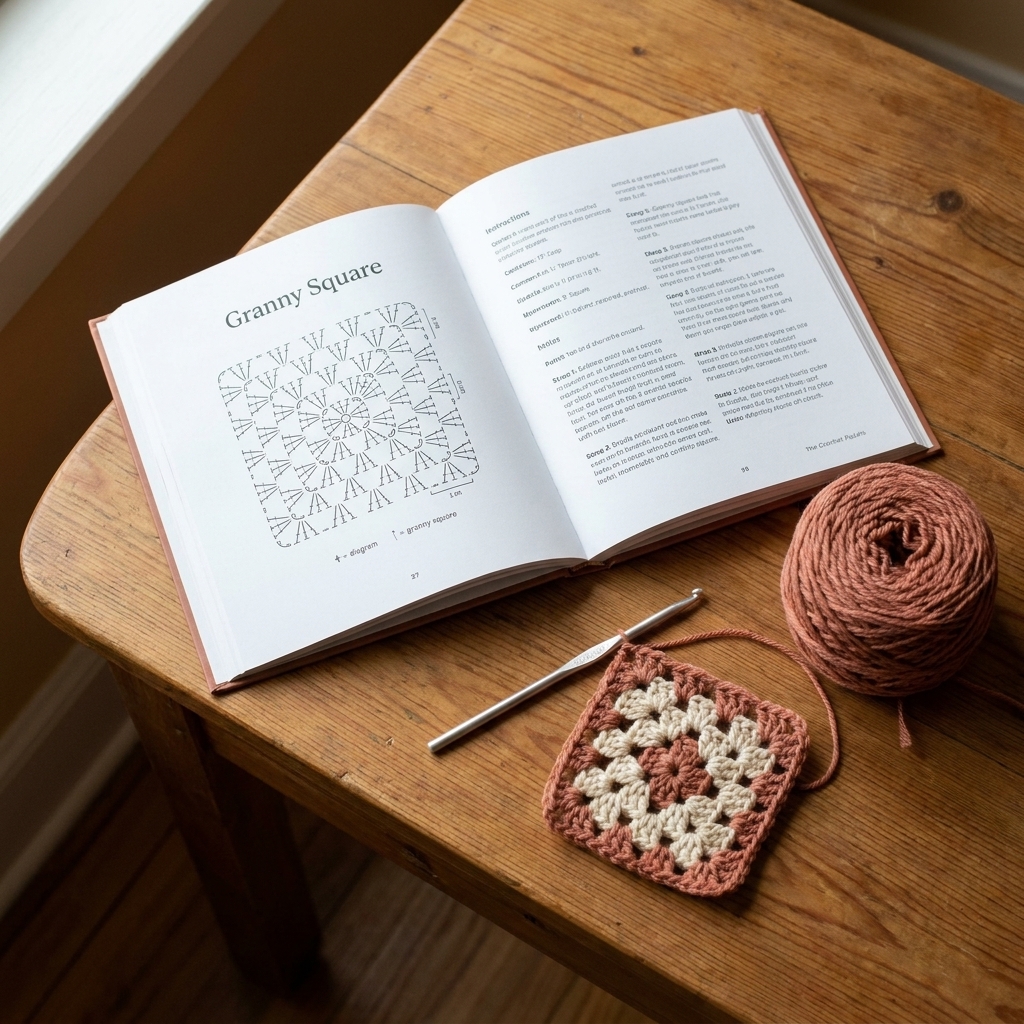
- Crochet: one ergonomic hook in a common size for worsted yarn, often 5.0 to 5.5 mm (H-8 to I-9). Your yarn label is the boss here.
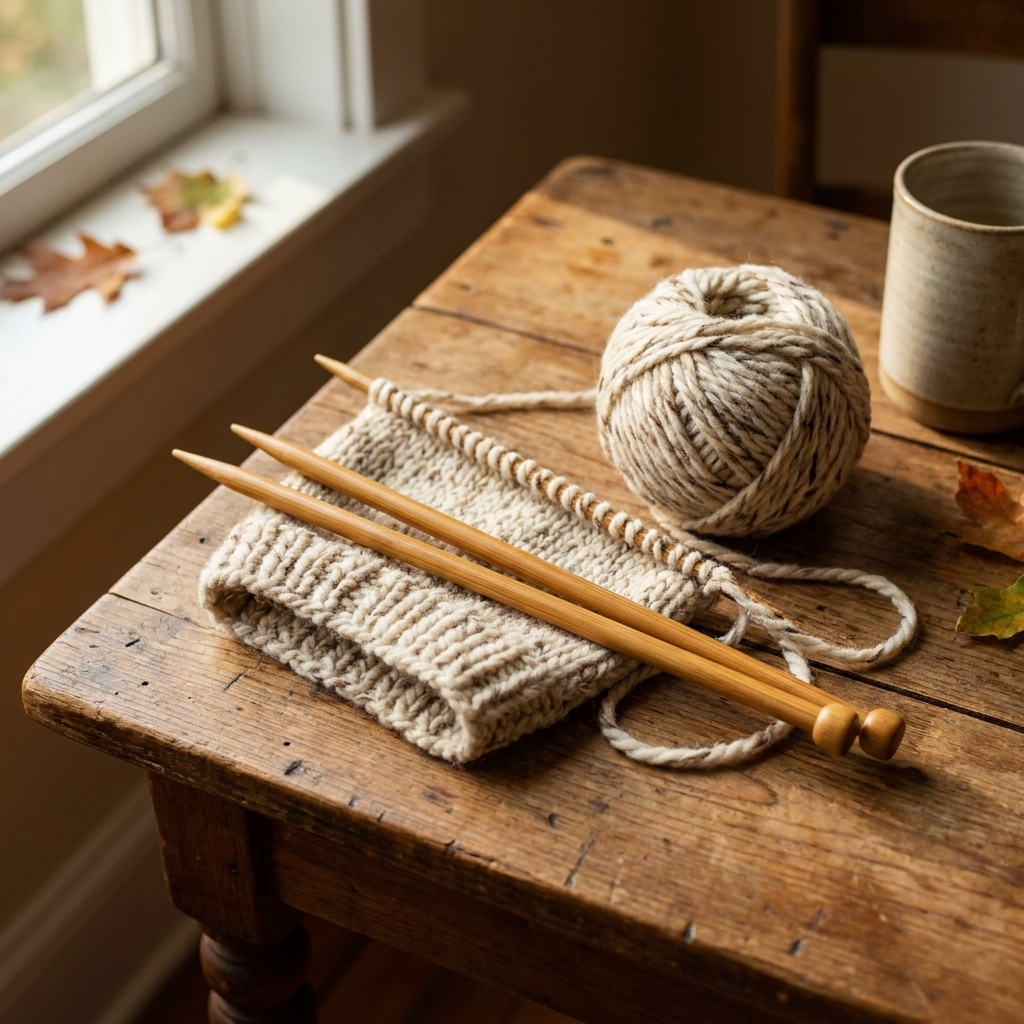
- Knitting: one pair of smooth needles in a common size for worsted yarn, often 5.0 mm (US 8), but US 7 to 9 is also very common depending on the pattern and yarn.
Beginner tip
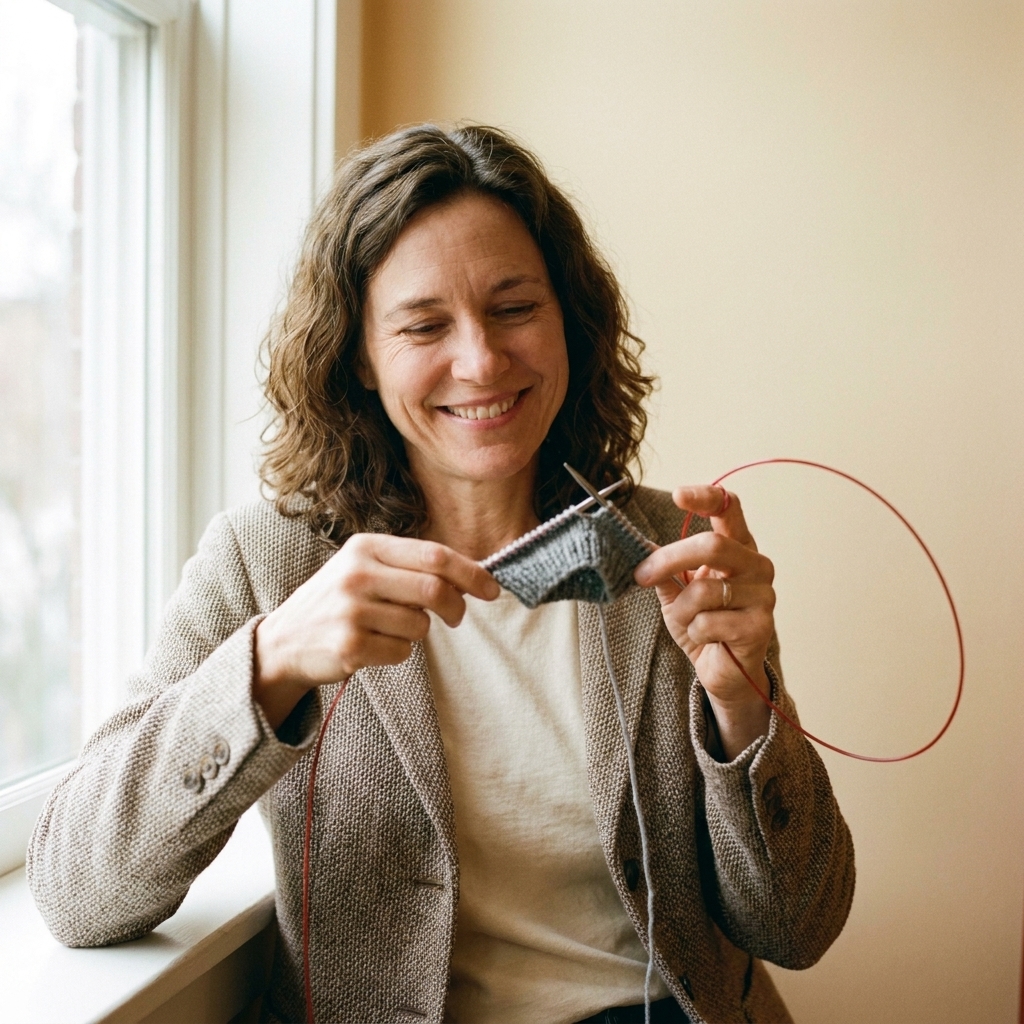
For knitting, a 16 inch circular needle is great for hats, but a longer circular (like 32 to 40 inch) is wonderfully versatile for learning because it can handle flat projects too.
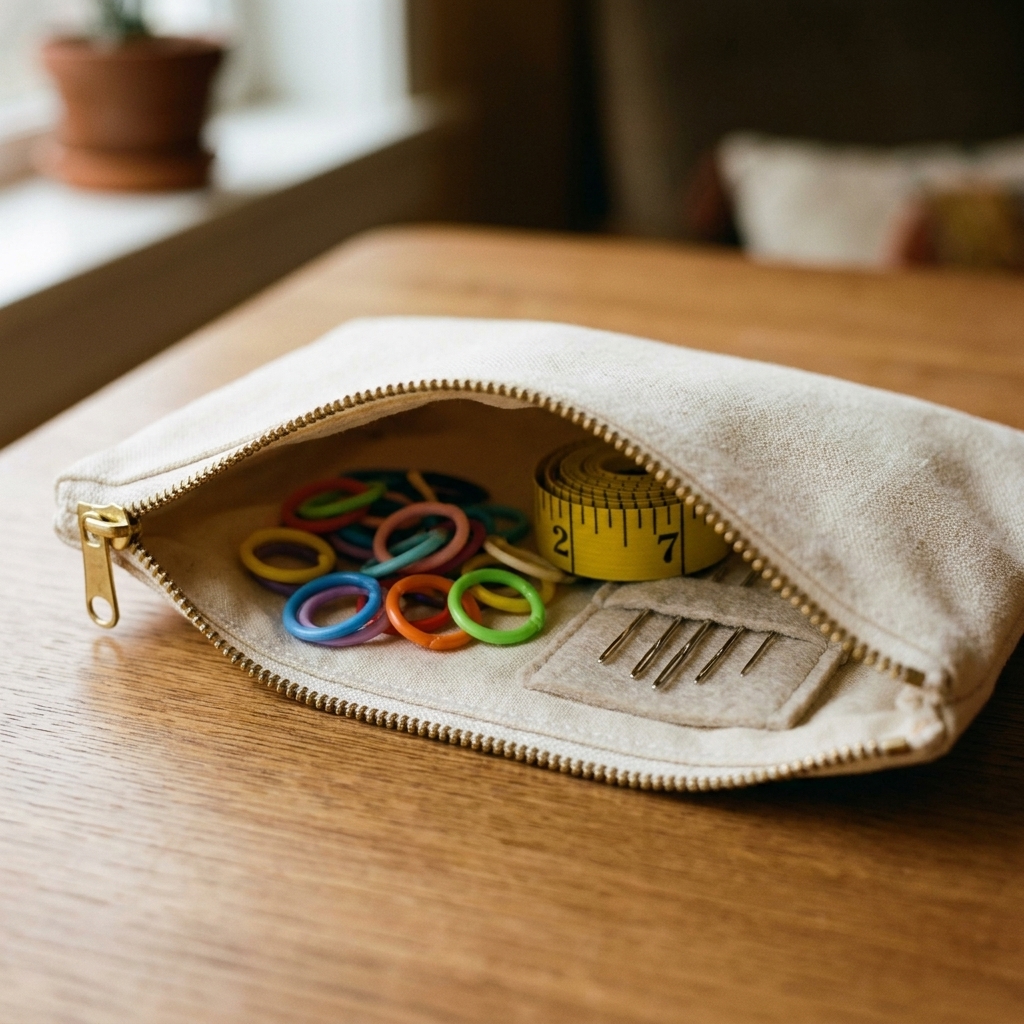
8) Notions pouch
If you have ever lost a tapestry needle inside a couch cushion, you already understand why this is on the list. A little pouch keeps your tiny tools from migrating to the mysterious land where missing socks live.
What it should hold
- Stitch markers
- Tapestry needle
- Scissors
- Measuring tape
- Any specialty bits like a cable needle or small hook
Choose one that zips fully closed. Your future self will thank you when you open your project bag and do not find stitch markers sprinkled everywhere like crafting confetti.
9) Fix-it helper tool
This one is a two-in-one, because knitters and crocheters get different kinds of “oops” moments. Either way, having a small helper tool nearby makes repairs feel possible instead of dramatic.
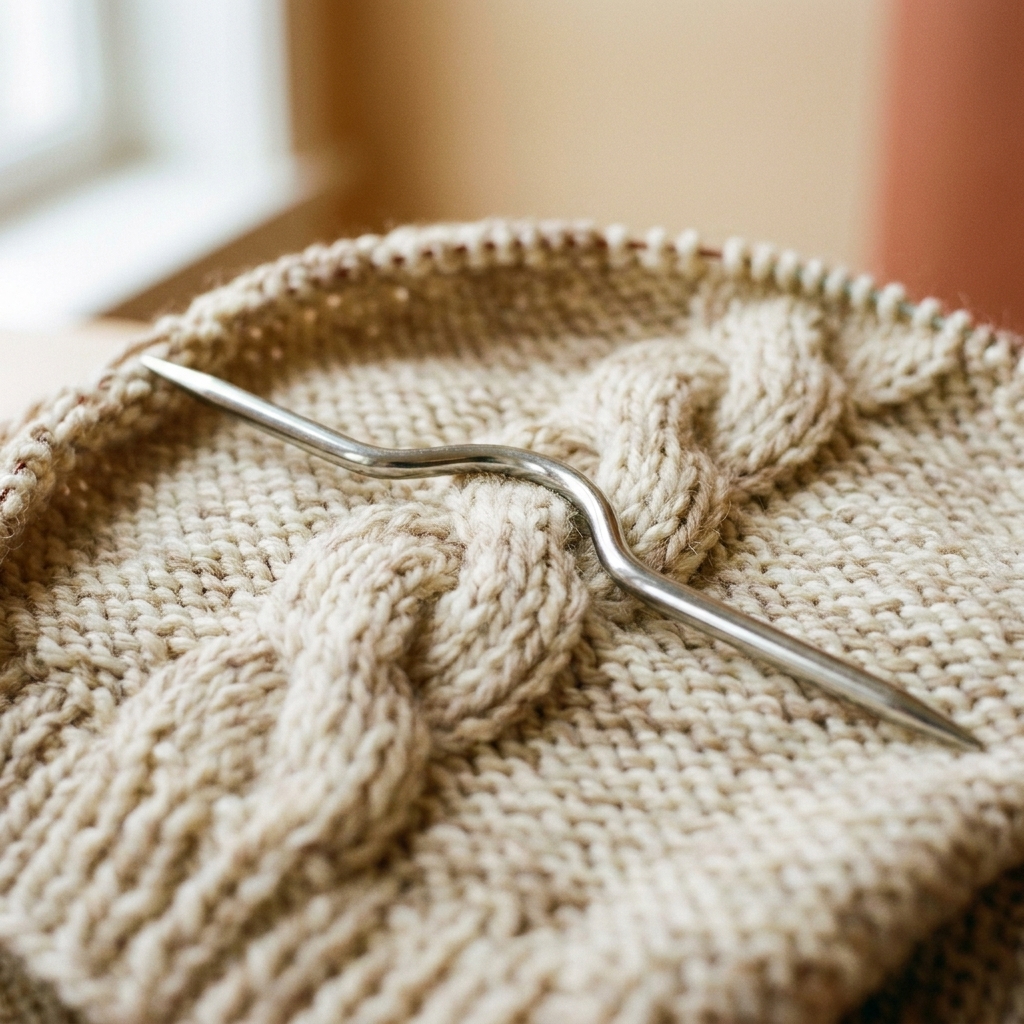
For knitters: cable needle or small crochet hook
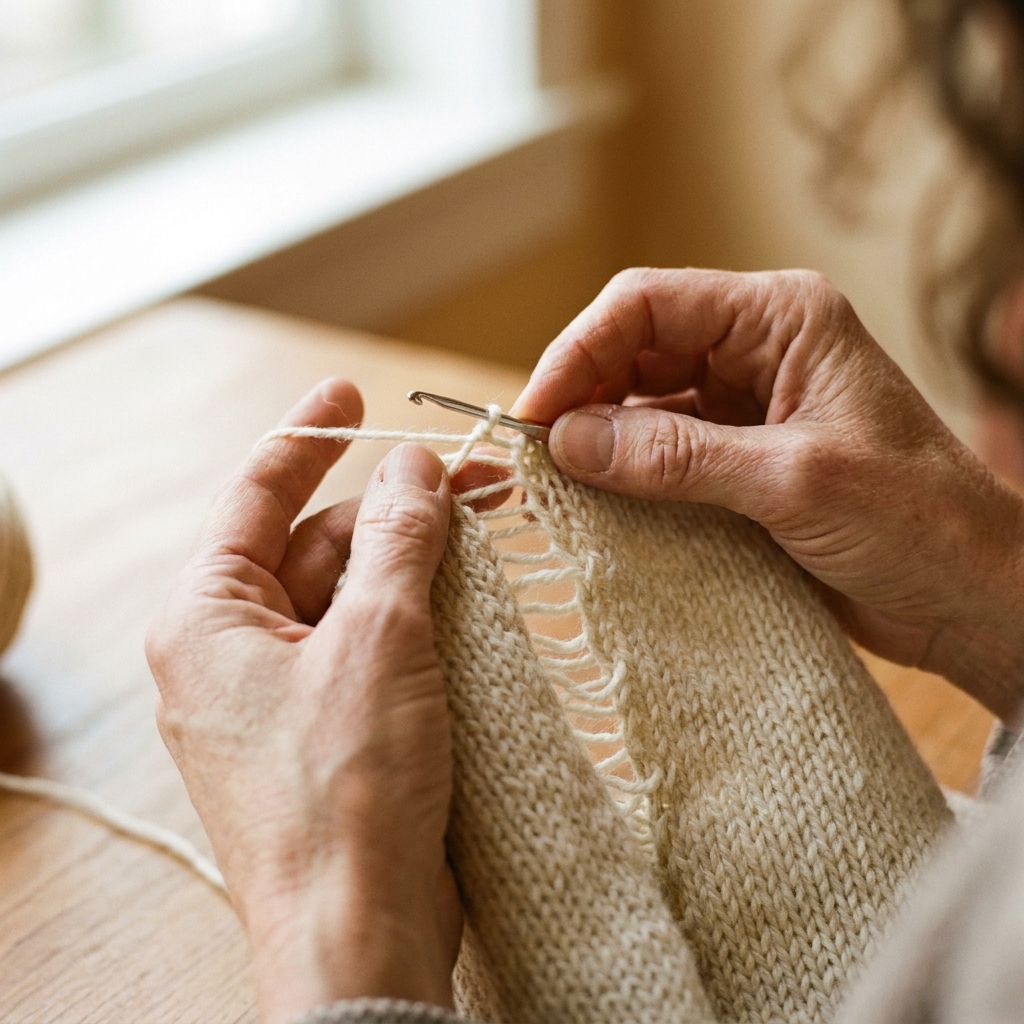
If you plan to try cables, a cable needle holds stitches temporarily so you can cross them neatly. Also, a small crochet hook is a secret weapon for knitting. It is perfect for picking up a dropped stitch or rescuing a ladder before it turns into a whole situation.
For crocheters: small spare hook
A smaller hook than your working hook is handy for picking up a dropped loop, pulling a yarn tail to the wrong side, or fixing an accidental split stitch.
10) Stitch holder or scrap yarn
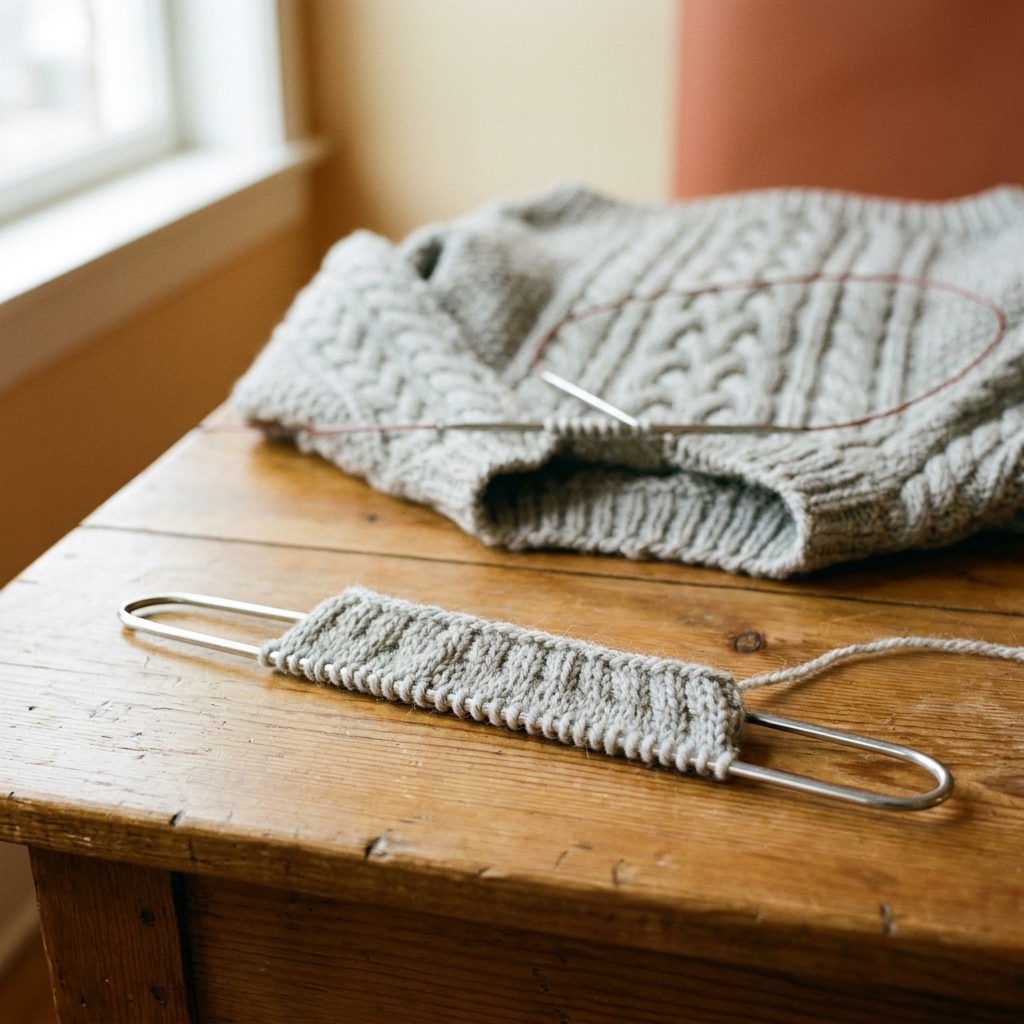
Sometimes you need to pause part of a project and come back later. In knitting, this happens all the time with sweater sleeves, necklines, and thumb gussets. In crochet, you are usually just holding one live loop, but it is still worth having a plan so your work does not unravel when you set it down.
Two easy options
- Stitch holders (like big safety pins made for knitting) for holding lots of live stitches
- Scrap yarn threaded through stitches as a flexible holder
Crochet-friendly move: pop a locking stitch marker through your active loop before you toss the project in your bag. Beginner-friendly move for both crafts: keep a short length of smooth scrap yarn in your notions pouch. It weighs nothing and saves the day more often than you would think.
What to skip for now
There is a whole universe of wonderful tools out there, and you can absolutely grow into them. But you do not need to buy everything on day one.
- Blocking mats and a full pin set: helpful later, but you can start by gently washing and laying items flat on a towel.
- Electric ball winder: dreamy, yes. Essential, no. A simple hand-wound cake works fine at first.
- Giant needle and hook sets: buy a couple of sizes you will use now, then expand as your projects require.
Quick packing checklist
If you want the simplest possible “grab and go” list, here is mine:
- Current project + yarn
- Correct hook or needles (plus one spare hook if you crochet)
- Stitch markers
- Tapestry needle
- Small scissors
- Measuring tape or gauge ruler
- Row counter (or your preferred counting method)
- Notions pouch
- Scrap yarn or stitch holder
Beginner FAQ
Do I really need a gauge ruler if I have a tape measure?
You can use a tape measure, yes. A gauge ruler just makes counting stitches and rows easier and more consistent, especially when you are new and still learning what a stitch “looks like.” If you plan to make wearables, it is a small tool that earns its keep quickly.
What is the one tool beginners forget most often?
A tapestry needle. People get excited about the fun part (making fabric) and forget the finishing part (weaving in ends). Keep one in your notions pouch permanently.
Can I use paper clips as stitch markers?
In a pinch, yes. Just be careful with delicate yarns. Paper clips can snag fibers. Locking stitch markers are inexpensive and smoother, so they are kinder to your stitches.
How do I stop losing my tiny tools?
One pouch, always. The rule in my house is: if it is smaller than a cookie, it lives in the notions pouch. It is not a perfect system, but it is the best one I have found for a slightly out-of-control yarn stash lifestyle.
Cozy reminder: Tools are here to support you, not intimidate you. Start with the essentials, add one new helpful thing when you feel a real need, and let your kit grow slowly alongside your skills. Buying with intention is one of the simplest ways to waste less and make what you already have work harder. That is slow fashion in practice, and it is such a good feeling.