Knitting needles seem simple until you’ve tried to wrangle slippery silk on shiny metal, or you’ve watched a fluffy wool sweater grow at a snail’s pace on extra-grippy bamboo. Needle material matters. It changes how the yarn moves, how your hands feel after an hour, and often how consistent your tension looks.
Below, we’ll walk through the real-life pros and cons of wood, metal, and plastic needles, plus a few sneaky factors most beginners do not realize are part of the needle decision. Think of this as the friendly nudge you needed before you buy yet another set and add it to your ever-growing stash. Yes, I see you. I am you.
What material changes
Before we get into each material, here’s what you’re really choosing:
- Friction (grip): how easily stitches slide.
- Speed: slippery needles can feel faster, but only if you can control them.
- Tension consistency: some materials help many beginners hold even tension.
- Hand comfort: weight, warmth, and vibration all play a role.
- Noise: yes, it matters if you knit around sleeping babies, roommates, or easily startled pets.
- Durability: especially in small sizes and for tight knitters.
- Point sharpness: not strictly “material,” but often linked to what each material is commonly sold as.
Wood needles
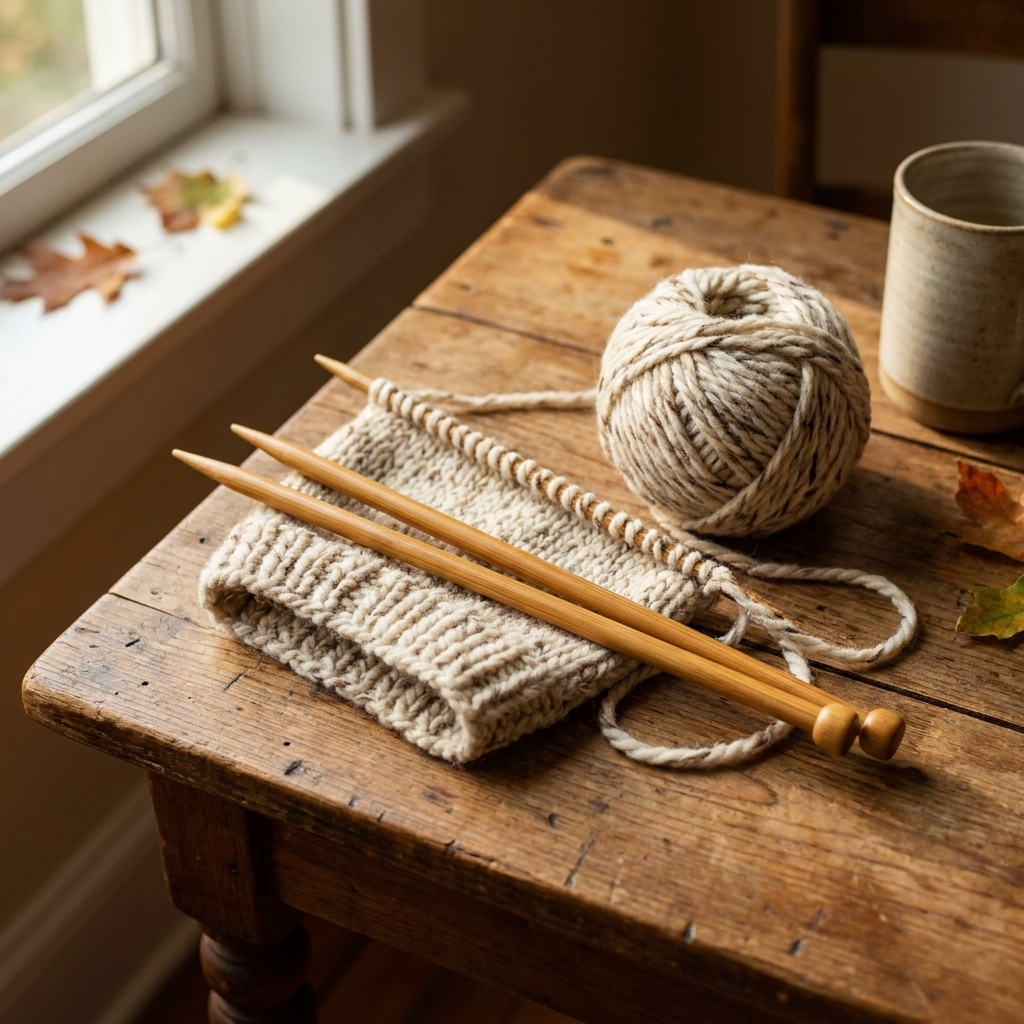
Wood needles are the warm mug of tea of the needle world. They tend to feel cozy in the hands, and many beginners find them easier to control.
Why people love wood
- More grip, fewer runaway stitches. If your stitches like to launch themselves off the tip, wood is a gentle brake.
- Warm and light in the hands. Great if cold metal bothers your joints or you knit for long stretches.
- Quieter. The click-click is softer, which is wonderful for mindful knitting or shared spaces.
- Friendly for slick yarns. Silk, many bamboo and rayon blends, mercerized cotton, and some superwash wools behave better with a little friction.
Where wood can be tricky
- Can feel slower for some knitters. That grip can feel like you’re knitting through peanut butter if you prefer speed.
- Can snag if damaged. A nick or rough spot can catch yarn. Keep an eye on tips and joins (especially on circulars).
- Less durable in very small sizes. If you’re a tight knitter, thin wooden needles (often around US 0 to US 2, roughly 2.0 to 2.75 mm) can bend or snap.
Best matches for wood
- Beginners learning knit and purl rhythm
- Smooth or slippery yarns and slick plies
- Lace when you want control more than speed
- Projects where dropping stitches would be heartbreaking, like a neckline or cable panel
Tip: If you love wood but need a little more glide, try a polished hardwood (like laminated birch) rather than very grippy bamboo. It’s a sweet spot.
Metal needles
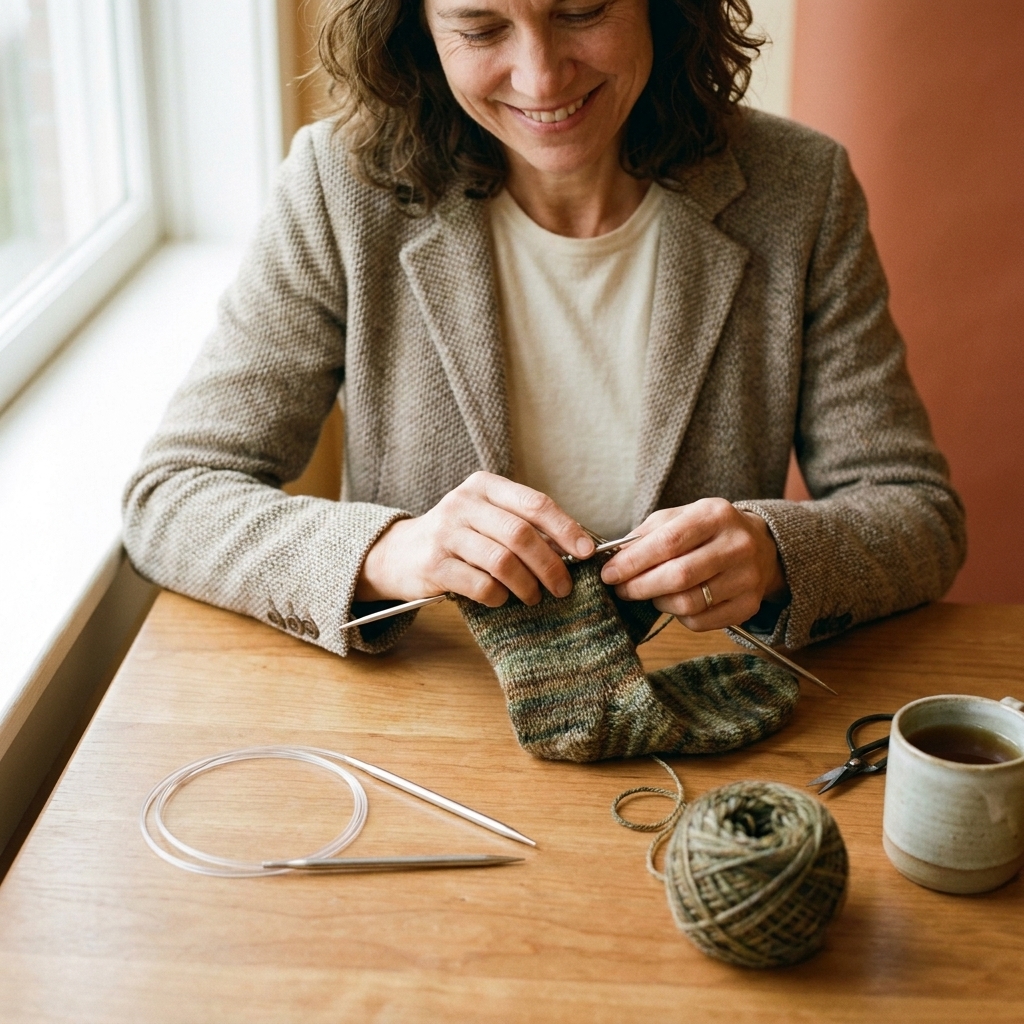
Metal needles are the sports car. They are smooth, quick, and precise, and they can make your knitting feel effortless once you’re used to them.
Why people love metal
- Fast stitch movement. Stitches slide easily, which can speed up your overall rhythm.
- Can help some tight knitters. If your tension is firm, metal can reduce friction so you are not fighting the needle. If you find you grip harder for control on slippery needles, you may prefer a slightly grabbier finish.
- Durable and consistent. Good metal needles keep their shape, especially in smaller sizes used for socks or sleeves.
- Sharp points are easier to find. Many lace and sock knitters like metal for neat decreases and quick pick-ups, although you can absolutely find sharp wood lace tips too.
Where metal can be tricky
- Slippery with slick yarns. If you’re using silk, rayon, or very smooth superwash, stitches can scoot right off.
- More noise. That classic clicking can be soothing or… not.
- Cold to the touch. Especially in winter, or if your hands are sensitive.
- Can expose uneven tension. For some knitters, the speed makes wobbly stitches more obvious until your hands settle in.
Best matches for metal
- Socks, hats, and sleeves where speed helps
- Higher-friction yarns, like rustic wool, mohair, and some halo-heavy blends
- Lace knitting that needs sharp tips and clean decreases
- Any project where you want crisp stitch definition
Plastic needles
Plastic needles are often overlooked, but they can be surprisingly useful. Think lightweight, budget-friendly, and gentle in the hands.
Why people love plastic
- Very lightweight. If heavier needles fatigue your hands or wrists, plastic can feel like a relief.
- Budget-friendly. A practical way to try different sizes before investing in a forever set.
- Quiet and warm. Usually quieter than metal, and not as cold.
- Great for big needles. Jumbo sizes in metal can feel like knitting with small dumbbells. Plastic keeps big projects manageable.
Where plastic can be tricky
- Flex and squeak. Some plastic needles bend under tension and can squeak with certain yarns.
- Less precise tips. Many plastic needles have blunter points, which can feel frustrating for lace or complex decreases.
- Can be less durable over time. Especially in very small sizes, plastic can snap.
Best matches for plastic
- Chunky and super bulky projects like cowls, blankets, and quick hats
- New knitters practicing basic stitches without investing much upfront
- Long sessions where needle weight really matters
Quick picks
If you want the just-tell-me-what-to-buy version, here are solid starting points. You can always adjust after you knit a small swatch.
Scarves
- Best for beginners: wood or bamboo for control.
- Want speed: metal, especially with wool yarns.
Hats
- Wood circulars: grippy and forgiving when you’re learning magic loop or DPNs.
- Metal circulars: great for fast hat knitting and crisp ribbing.
Socks
- Metal: durable in small sizes and great stitch definition.
- Wood: helpful if stitches keep slipping off DPNs. Choose a sturdy hardwood if you knit tight.
Lace shawls
- Metal with sharper tips: for speed and precision.
- Wood: for knitters who want fewer accidental drops. You can still knit beautiful lace more slowly.
Sweaters
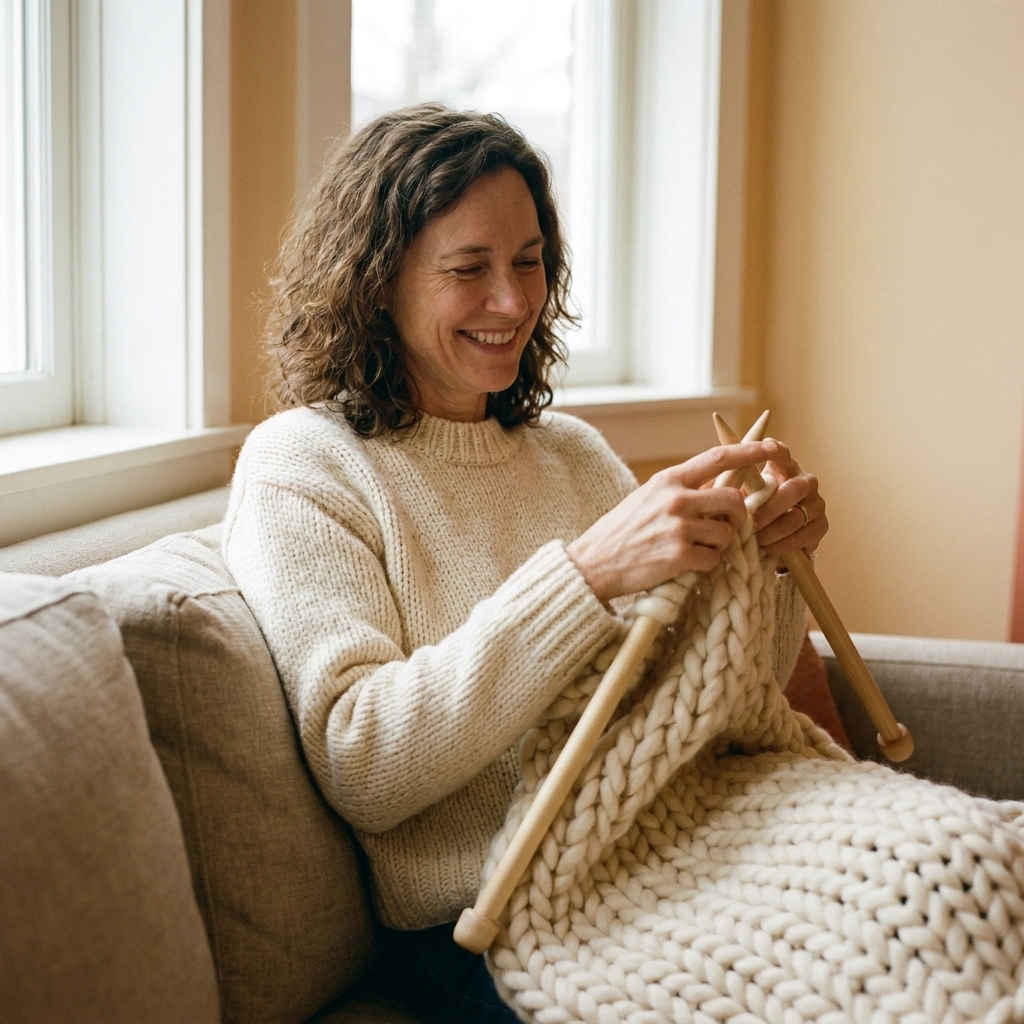
- Wood: comfortable for long knitting sessions, helpful for big stretches of stockinette.
- Metal: great if you knit tightly or want faster fabric growth.
Blankets
- Plastic or lightweight wood: easier on hands due to weight, especially on long circulars.
Choose by yarn feel
Sometimes it’s the yarn, not the pattern, that decides the needle. One quick caveat: yarn “slippery” versus “grippy” depends on fiber and construction (ply, twist, halo, and finishing). So use these as starting points, not laws.
Smooth, slick yarns
Think silk, rayon, many bamboo blends, mercerized cotton, and some very smooth superwash bases.
- Try: wood or a slightly grabbier plastic.
- If you are struggling: skip ultra-slick metal until your hands feel confident.
High-friction and halo yarns
Think rustic wool, mohair, brushed blends, and yarns that cling to themselves.
- Try: metal, or a smoother finished wood, to help stitches glide.
- Note: wood can still work, but you may feel more drag on textured stitches.
Splitty yarns
Think loosely plied cotton, some acrylics, and yarns that love to separate.
- Try: a blunter wood or plastic tip, or a slightly less sharp metal needle.
- Why: super sharp tips can pierce between plies and make you feel like you forgot how to knit. You didn’t.
Material and gauge
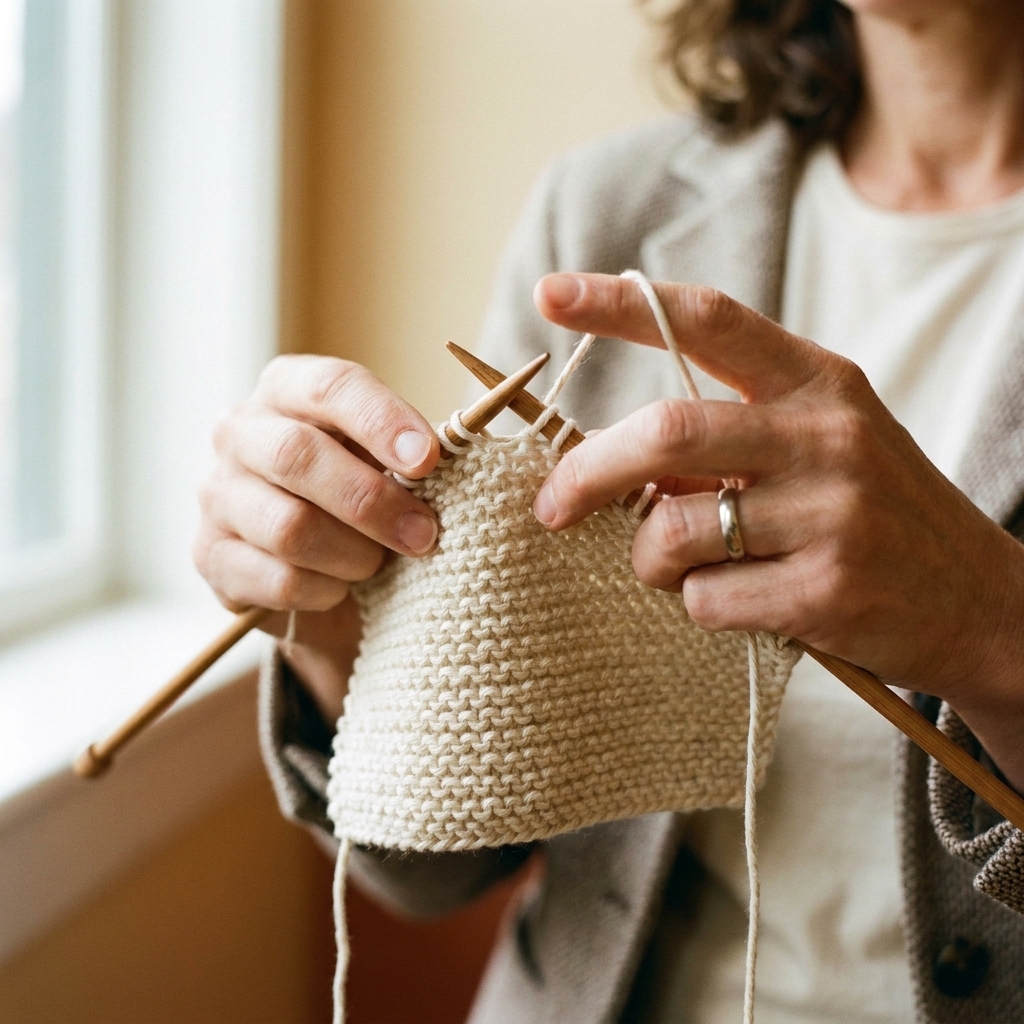
This surprises a lot of knitters: you can knit with the exact same labeled needle size in different materials and still get a different gauge.
- Many knitters get a looser gauge on metal because stitches move faster and they do not snug them as firmly.
- Many knitters get a slightly tighter gauge on wood because friction encourages you to set each stitch.
- But it is not universal. Finish, brand-to-brand tolerances, needle wear, your knitting style, and the yarn itself can easily override the material.
If you’re switching materials mid-project, do a tiny gauge check first. Even 10 minutes can save you from a sweater sleeve that mysteriously turns into a different sweater sleeve.
Finish and cable details
Finish matters as much as material
Two needles can both be “metal” and feel completely different. Matte stainless can have a touch of grip, while a highly polished nickel-plated needle can feel like ice. The same goes for wood: raw bamboo often has more drag than lacquered or polished hardwood.
Circular cables are part of the experience
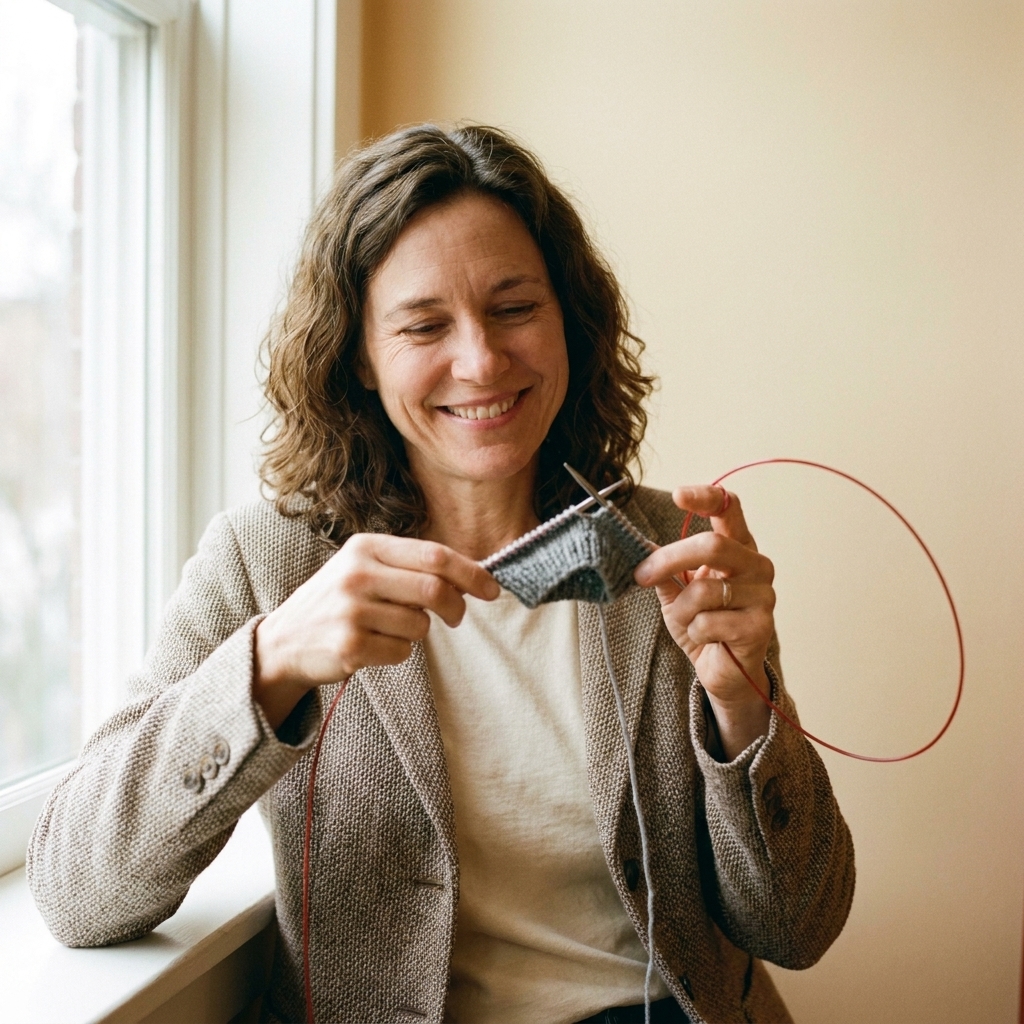
If you mostly knit on circulars, pay attention to the cable and the join, not just the tips. A stiff cable with lots of memory can fight you, while a smoother, more flexible cable can make the same project feel easier. Swivel joins (when available) can also reduce twisting as you knit.
Comfort and sensitivity
Weight and fatigue
Metal needles can feel heavier, especially in larger sizes. For long projects like blankets or big sweaters, that added weight can tire your hands. Plastic and many wood needles are lighter and can feel more floaty.
Temperature and sensory preferences
If cold needles make you tense up, choose wood or plastic. If you like a cool, smooth feel, metal can be wonderfully calming.
Sound
Metal-on-metal clicking is classic. It is also not always ideal during Zoom meetings, quiet evenings, or when you are trying to knit as a form of relaxation. Wood and plastic are generally quieter.
Allergies and sensitivities
If you have a nickel sensitivity, pay attention to what a metal needle is plated with, or opt for alternatives like stainless steel, wood, or plastic.
Crochet hooks
If you crochet too, the same general ideas apply, with two extra notes:
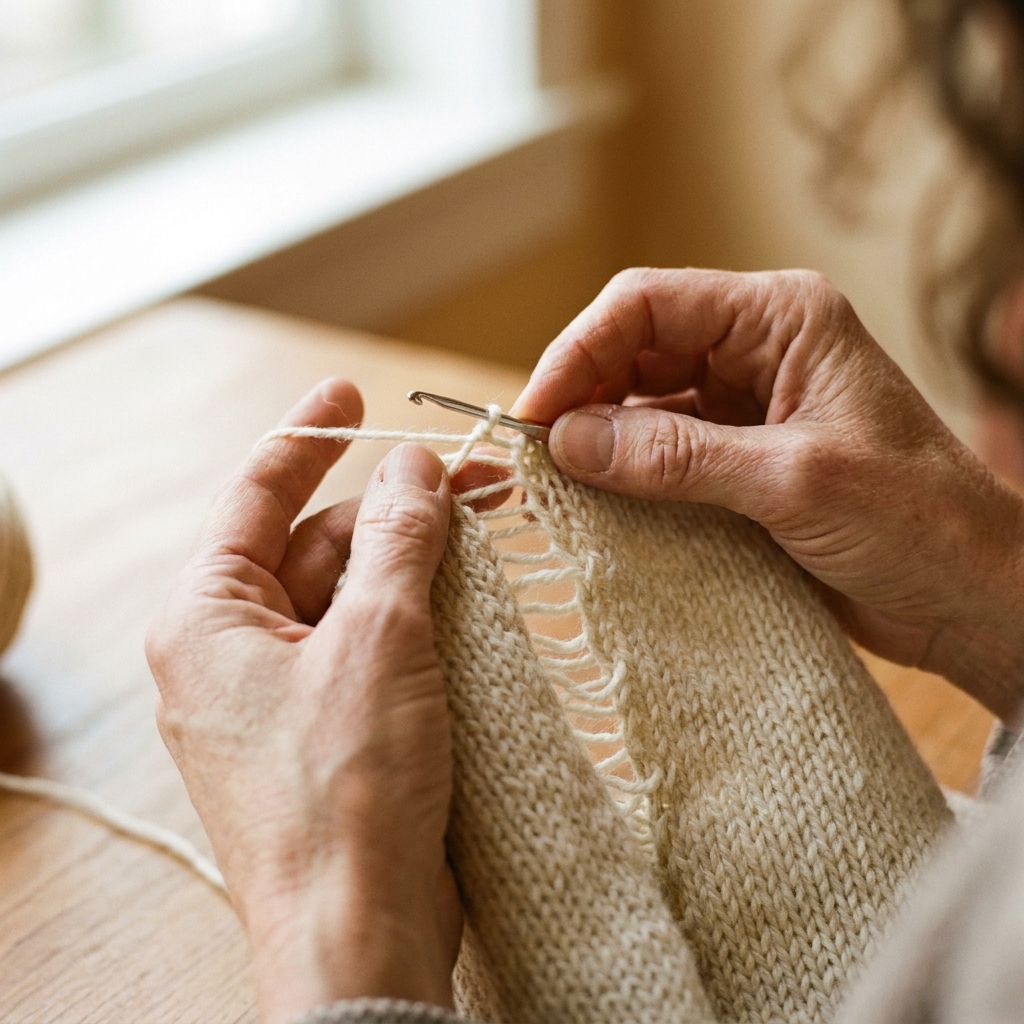
- Splitty yarn shows up faster in crochet. If you keep snagging strands, try a slightly blunter hook tip or a material with more control (often wood or resin).
- Hand strain can be more noticeable. Many crocheters prefer lightweight hooks or ergonomic handles, so pay attention to weight and grip texture.
For both crafts, the best tool is the one that helps your hands relax and your stitches look the way you want.
Decision checklist
If you’re standing in a yarn shop or staring at an online cart, try this mini checklist:
- Is your yarn slick? If yes, start with wood.
- Do your hands get tired easily? If yes, consider wood or plastic, and avoid very heavy needles in big sizes.
- Are you knitting very small sizes? If yes, metal or sturdy hardwood tends to be most reliable.
- Do you want speed or control? Speed leans metal. Control leans wood.
- Are you doing lace or lots of decreases? You may want sharper tips, which are often easiest to find in metal, but are available in wood too.
You can also mix and match: lots of knitters use metal for sock needles and wood for sweater needles. No rules. Just happy hands.
FAQ
Which needle material is best for beginners?
Most beginners do well with wood or bamboo because the stitches grip a bit and are less likely to slide off. If wood feels painfully slow, try a smoother hardwood or a not-too-slippery metal finish.
Why do my stitches look tighter on wood?
Many knitters snug stitches more on wood because the yarn does not glide as freely. That can tighten your gauge. If you switch to metal and your gauge loosens, it can be totally normal. Swatching is not a punishment, it’s a shortcut.
Are plastic needles bad?
Nope. Plastic needles can be fantastic for big sizes, budget-friendly starter sets, and lighter weight knitting. Quality varies a lot, so if they feel bendy or squeaky, it may be that specific needle rather than plastic as a concept.
Do needle materials affect purling?
They can. If purling feels sticky or slow, a smoother needle (often metal, or polished wood) can help. If your purl stitches slip too easily and get uneven, wood can give you more control.
My best advice
If you’re only buying one first nice pair, choose based on your biggest frustration:
- Stitches flying everywhere? Go wood.
- Everything feels slow and tight? Try metal, or a smoother finished wood.
- Your hands get tired or you’re knitting jumbo sizes? Consider plastic or lightweight wood.
And if you end up owning all three? Welcome. There’s plenty of room in the cozy corner of the internet for you and your slightly out-of-control needle collection.