If there’s one knitting moment that can make your stomach drop faster than your stitch, it’s spotting a little ladder of yarn where it definitely should not be. The good news is that a dropped stitch is usually one of the most fixable mistakes in knitting, and you can often repair it in less time than it takes to make a cup of tea.
Below, I’ll walk you through a few reliable rescue techniques, from the classic crochet-hook fix to pattern-specific saves for ribbing, lace, and even cables. No ripping back required in most cases.
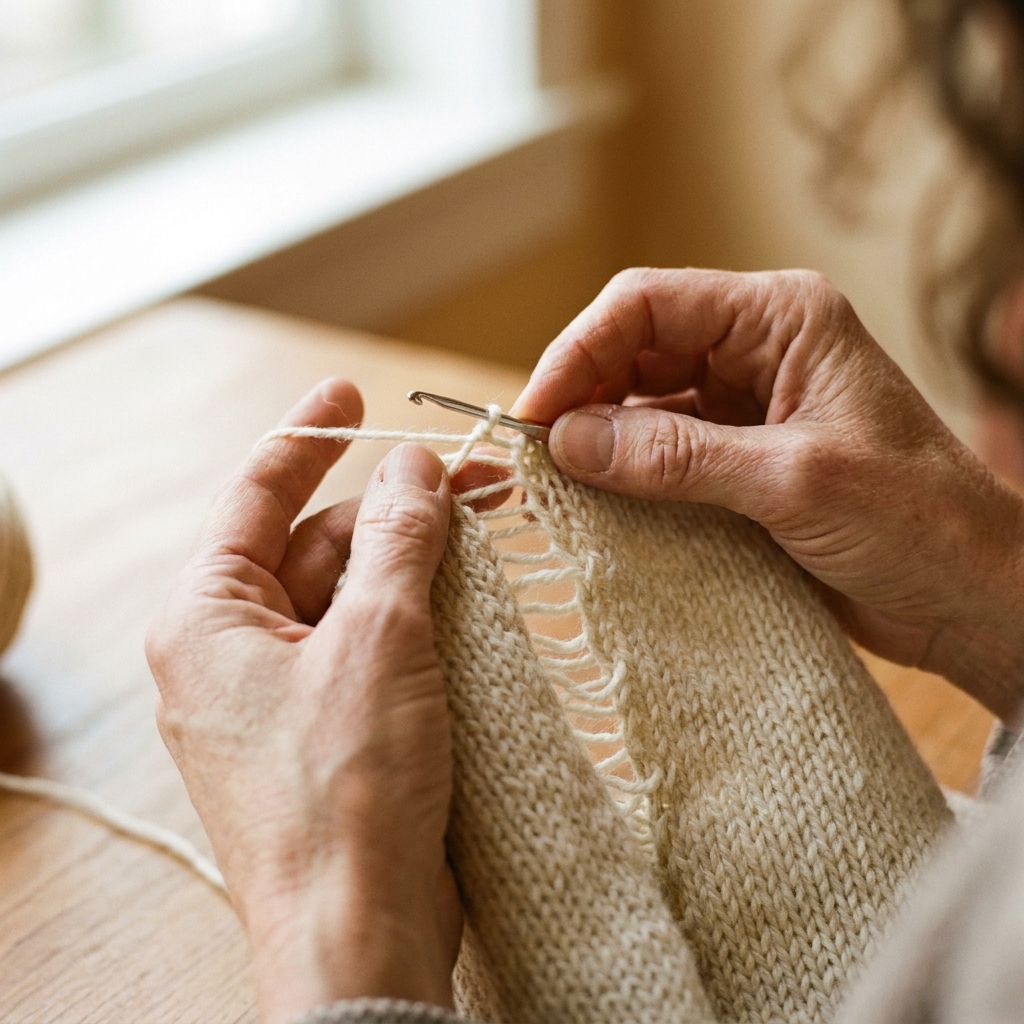
First: Don’t pull. Secure the stitch.
When a stitch drops, the biggest risk is that it keeps running down your fabric, especially in smooth yarns. Before you do anything else, secure it.
- Use a locking stitch marker or a safety pin and clip it through the dropped loop.
- No marker nearby? Thread a scrap of yarn through the dropped loop and tie it in a loose bow.
- If the stitch already ran several rows, gently spread the fabric so you can see where the loop is hiding. Avoid tugging the surrounding stitches tighter.
Once that loop is “caught,” you can breathe again. You’re in control now.
Tools that make fixes so much easier
You can fix a dropped knit stitch with just your needles, but these tools turn it into a smooth, two-minute repair:
- Crochet hook in a similar size to your knitting needle. A slightly smaller hook often feels more controlled.
- Locking stitch markers to hold a dropped loop in place.
- Tapestry needle for duplicate stitch or weaving in a stabilizing strand if your fabric is very open.
- Good light. Not glamorous, but extremely effective.
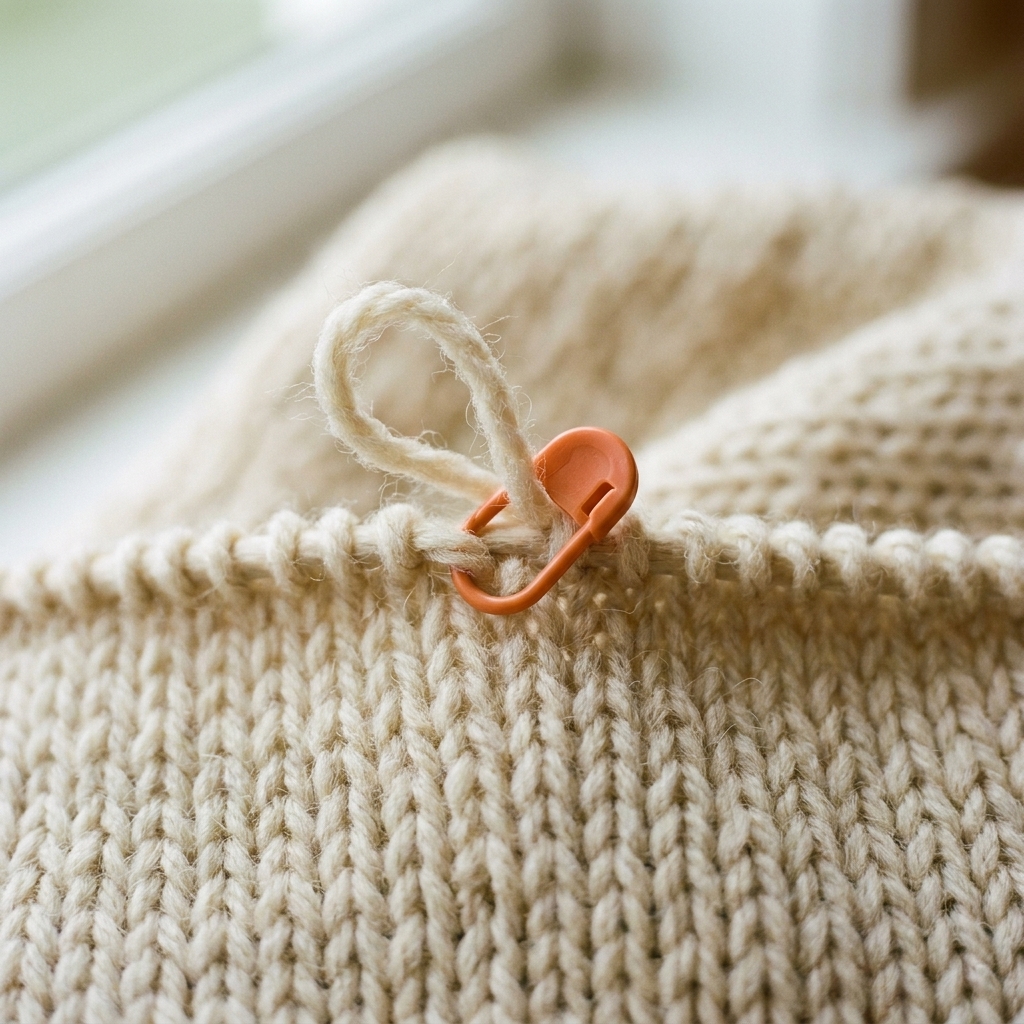
Identify what you dropped: knit or purl?
This is the secret to making your repair invisible: you need the rescued stitch to match the stitch pattern.
- Knit stitch: looks like a little “V” on the right side of your fabric.
- Purl stitch: looks like a horizontal bump on the right side (and a “V” on the wrong side).
If you’re working in stockinette and you’re looking at the smooth “V” side, you’re on the right side. If you’re looking at a bumpy texture, you’re likely on the wrong side or working garter.
Pick up a dropped knit stitch
This is the classic situation: one stitch dropped and created a vertical ladder of loose strands between rows. We’re going to use those ladder strands to rebuild the stitch, one row at a time.
Step-by-step with a crochet hook
- Find the dropped loop. It will be sitting at the bottom of the ladder. Secure it with a marker if it’s still loose.
- Orient your work. Hold the fabric with the right side facing you (the “V” side), if possible.
- Insert your hook into the dropped loop from front to back.
- Grab the lowest ladder strand (the strand closest to the dropped loop) with your hook.
- Pull that strand through the loop. You have just rebuilt one row.
- Repeat with the next ladder strand up until you reach your current row.
- Place the rescued stitch back on your left needle with the right leg of the stitch in front, then knit it normally when you get there.
Clara tip: If your rescued stitch looks twisted when you put it back on the needle, don’t panic. Just rearrange it so the two legs sit like the rest of your stitches. The “front leg” should be the one you knit into for your usual style.
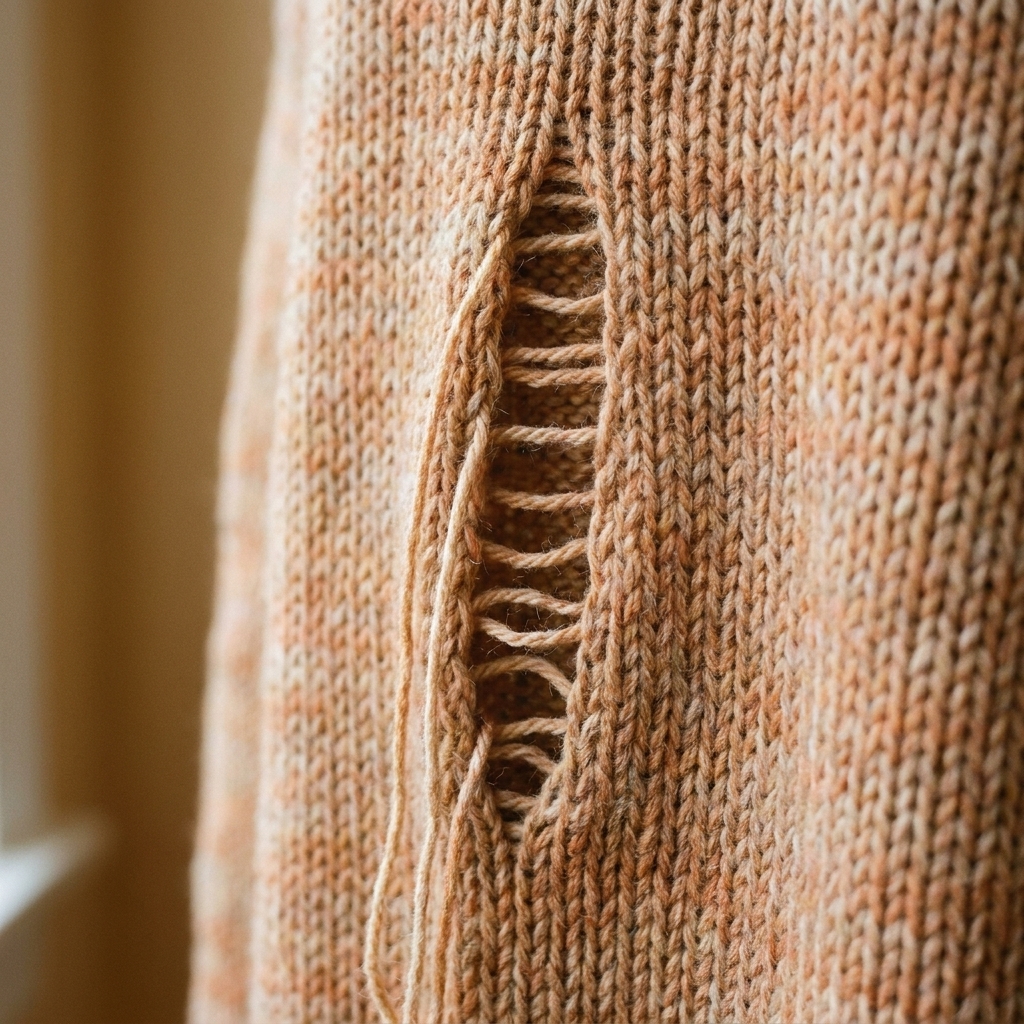
Pick up a dropped purl stitch
Purl stitches are just knit stitches wearing a little disguise. The trick is that when you rebuild a purl column, you need the bump to end up on the right side of the fabric where it belongs.
Method A: Fix it from the wrong side
- Turn your work so the wrong side faces you.
- Insert your crochet hook into the dropped loop from front to back (front is the side facing you now).
- Grab the ladder strand and pull it through the loop, one strand at a time, moving upward.
- Return the stitch to your needle and continue.
Method B: Fix it from the right side
If you can’t easily turn your work, you can still do it from the right side, but you’ll pull the loop behind the ladder strand instead of in front. In other words, make sure the working strand sits on the front of the fabric and the new loop pops through from the back to create that purl bump.
If that sentence made your eyes cross, you’re not alone. Turning to the wrong side is the friendly shortcut here.
Fix a dropped stitch in garter
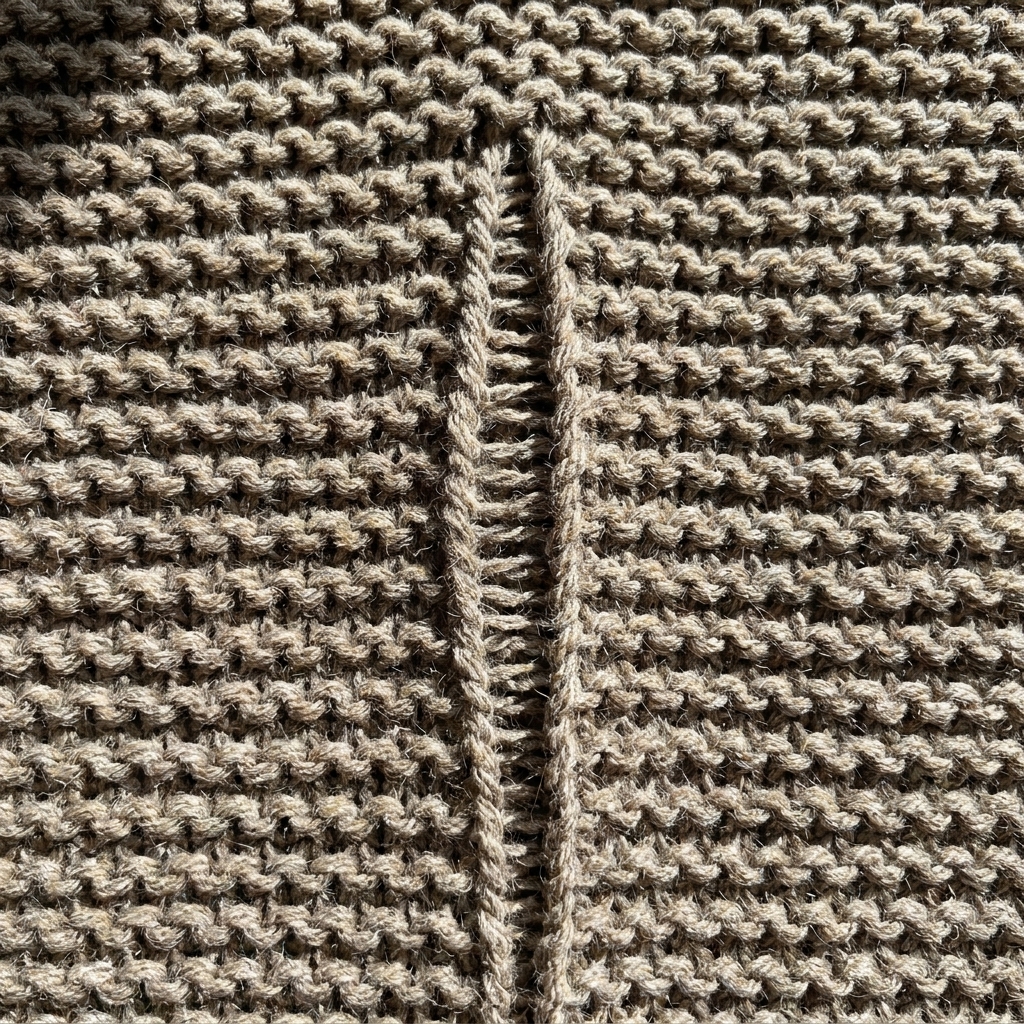
Garter stitch is made by knitting every row, but it creates ridges that can be a little confusing because both sides look similar. The good news: a dropped stitch in garter is still just a ladder fix.
What to watch for
- In garter, the “ladder strands” may look like they sit differently because the fabric alternates which side shows the ridge.
- As you pick up each rung, check that your fabric keeps that squishy, ridge-and-valley look, not a sneaky stockinette “V” column.
Quick check: After you pull up one rung, lay the fabric flat. Does the texture match the neighboring columns? If not, you may need to drop that rescued loop back down one rung and re-pull it through from the opposite side.
Fix a dropped stitch in ribbing
Ribbing is where dropped stitches like to cause maximum drama because knit and purl columns sit right next to each other. The key is to rebuild the stitch as knit in knit columns and as purl in purl columns.
Step-by-step
- Identify the column. Is the dropped stitch in a knit column (V’s) or a purl column (bumps)?
- Use the crochet hook ladder method, but make sure each rung you pull through creates the correct stitch orientation for that column.
- Check every couple of rows by stretching the ribbing gently. The knit columns should sink back and the purl columns should pop forward (or vice versa depending on which side you’re on), evenly.
If you accidentally rebuilt a knit as a purl (or the other way around): Let that single stitch drop back down to the mistake point and re-ladder it correctly. It’s annoying, yes. It’s also still much faster than ripping back a whole cuff.
If it slipped off the needle
This is the best-case scenario. If you just slipped a stitch off the needle and caught it quickly:
- Insert your left needle into the dropped stitch from front to back.
- Check if it’s twisted. If it looks like it has a crossed “X” at the base, you likely picked it up through the wrong leg.
- Re-seat it so it matches your other stitches, then keep knitting.
This kind of drop feels scary, but it’s basically the knitting version of fumbling your keys, not losing them.
If there are no clear ladders
Sometimes a stitch drops and the ladder strands are hard to see because they’re caught on neighboring stitches, hidden in fuzzy yarn, or interrupted by increases and decreases.
Try this
- Gently stretch the fabric sideways around the column. This opens up the ladder so you can see the rungs.
- Use a smaller hook to tease each rung free if your yarn is sticky or hairy.
- If a rung is truly trapped, you can use the tip of a needle to coax it out. Slow and steady. No yanking.
If you cannot find the ladder strands at all, the stitch may have been knit together with a neighbor by accident in a previous row. In that case, you may need to tink back a row or two in just that small area, then re-ladder.
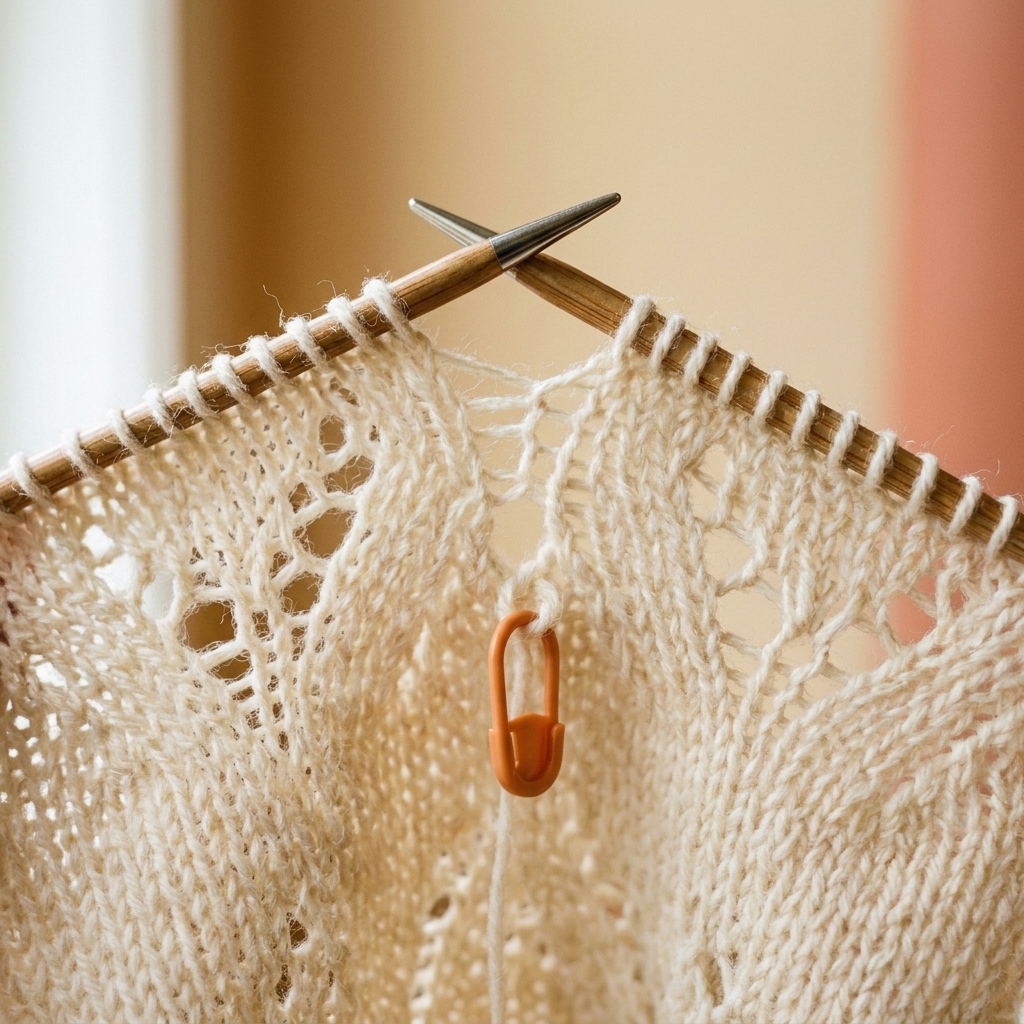
Fix a dropped stitch in lace
Lace is just knitting with planned holes, which means it can look like chaos when a stitch drops. The goal is to rescue the stitch without changing where the yarn overs and decreases sit.
My lace-friendly approach
- Secure the dropped stitch with a locking marker immediately.
- Look for yarn overs. In lace, ladder strands might include yarn overs that belong to a neighboring stitch, not the dropped one.
- Use a crochet hook to pull up the stitch one row at a time, pausing to confirm the stitch count and hole placement stays consistent.
- If you are unsure, insert a lifeline through a stable row below the mistake before you experiment further.
Helpful mindset: Lace fixes are less about speed and more about accuracy. You’re allowed to go slow. Tea refills are also allowed.
Fix a dropped stitch in cables
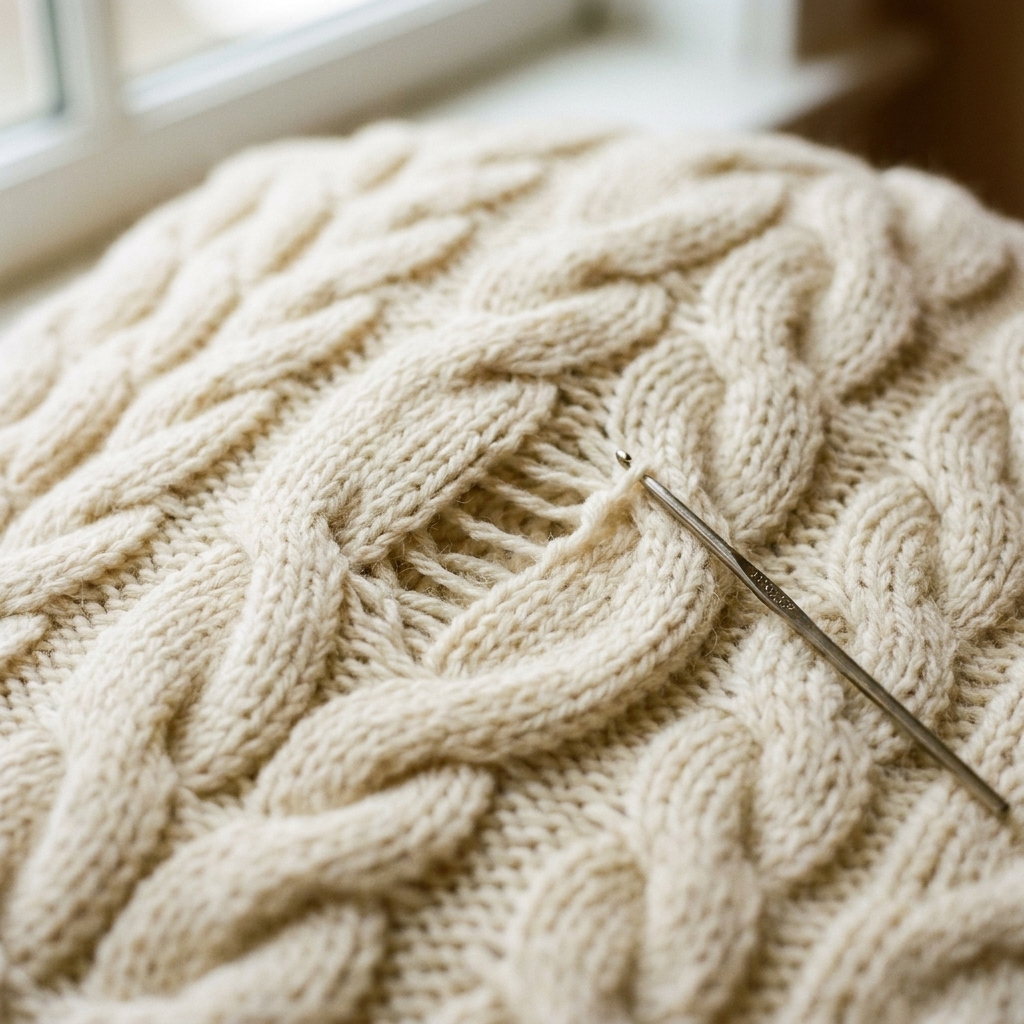
Cables look fancy, but dropped stitches in a cable panel are often fixable with the same ladder method, as long as you respect the cable crossings.
If the drop is next to the cable
Use the normal crochet hook ladder fix. Easy win.
If the drop is inside the cable panel
- Secure the dropped stitch so it cannot run further.
- Identify where the cable cross happened. Look for the row where stitches slant and overlap.
- Pick up stitches to just below the cross using the ladder method.
- At the crossing row, you may need to manually rearrange the order of stitches with your hook or a cable needle tip to mimic the original crossing.
- Continue laddering up above the cross.
When in doubt, compare your cable panel to the one right next to it. Cables are wonderfully repetitive, which makes them easier to copy back into place.
Fix a dropped edge stitch
Edge stitches love to misbehave, especially if you’re knitting flat and turning often. If an edge stitch drops, you might not have a neat ladder to grab because the edge tension is looser.
Two reliable options
- Crochet up carefully if you can see clear ladder rungs.
- Duplicate stitch rescue if the edge is too messy: use a tapestry needle and matching yarn to “embroider” the missing stitch path on the right side, then secure the ends on the wrong side. This is especially nice on garter borders and scarves.
Make it look neat
After you rescue a stitch, it’s common for that column to look a tiny bit looser or tighter. You can usually blend it in with a little gentle persuasion.
- Spread the slack: use your needle tip to nudge extra yarn into neighboring stitches across the row.
- Block later: many small tension wobbles disappear after washing and blocking.
- Don’t over-tighten the rescued stitch: a too-tight fix is more noticeable than a slightly loose one.
My teacher voice moment: Your knitting does not need to be perfect to be beautiful. A tidy repair is great. A slightly visible repair is still a success. You saved your fabric and learned something. That’s the win.
Common problems
The stitch is twisted after I pick it up
Slide it off the needle, reinsert the needle through the correct leg, and re-seat it. Twists happen most often when the loop flips while you’re laddering.
I grabbed the wrong ladder strand
Let the stitch drop back down to the point where it went wrong and re-ladder correctly. You’re not starting over, you’re just rewinding two seconds.
My yarn is fuzzy and I can’t see anything
Use brighter light, a smaller hook, and stretch the fabric gently. With mohair-style fuzz, it can help to use a contrasting scrap yarn threaded through the ladder area to separate strands visually.
I dropped multiple stitches
Secure each dropped loop with a marker first. Then ladder them up one at a time, starting with the leftmost column so you don’t accidentally tangle the ladders together.
Prevent dropped stitches
Dropped stitches happen to everyone, but a few habits make them less frequent:
- Use needle tips that suit your yarn: very slick metal plus very smooth yarn can be a slippery combo when you’re learning.
- Count stitches at natural checkpoints, like the end of a repeat or every 20 rows.
- Add lifelines in lace, cables, or complicated shaping. They are like a save point in a video game, but cozier.
- Try not to knit when you’re extremely tired. Ask me how I know.
FAQ
Can I fix a dropped stitch without a crochet hook?
Yes. You can use a smaller knitting needle to pull each ladder rung through the dropped loop. It’s a little clunkier, but it works.
Should I always ladder up, or should I rip back?
If it’s one dropped stitch or a small area, laddering up is usually the fastest and cleanest. If the mistake includes multiple incorrect rows of lace or complex shaping, ripping back to a lifeline can be less stressful than micro-surgery.
Will a fixed dropped stitch unravel later?
If you picked it up correctly and the stitch is back on the needle like its neighbors, it’s as secure as the rest of your knitting. If you used duplicate stitch to repair, make sure the ends are woven in firmly on the wrong side.
What if I dropped a stitch in brioche?
Brioche and related stitch patterns are special cases because stitches pair up and yarn overs behave differently than standard knitting. Secure the dropped loop immediately, then follow a brioche-specific tutorial (or your pattern’s recommended fix) before you pull up any strands. In brioche, one confident tug can turn into a much bigger repair than it needed to be.