If you have a yarn stash that is… how do I put this delicately… enthusiastically abundant, you are in good company. I have an entire basket of “single skein orphans” that I keep meaning to use for Something Special, which is code for “I keep petting them and then starting another sweater.”
Today we are doing the practical, satisfying thing: one-skein projects you can finish in a weekend (or a couple cozy evenings), with just enough variety to match whatever yarn is currently giving you the side-eye from the shelf.
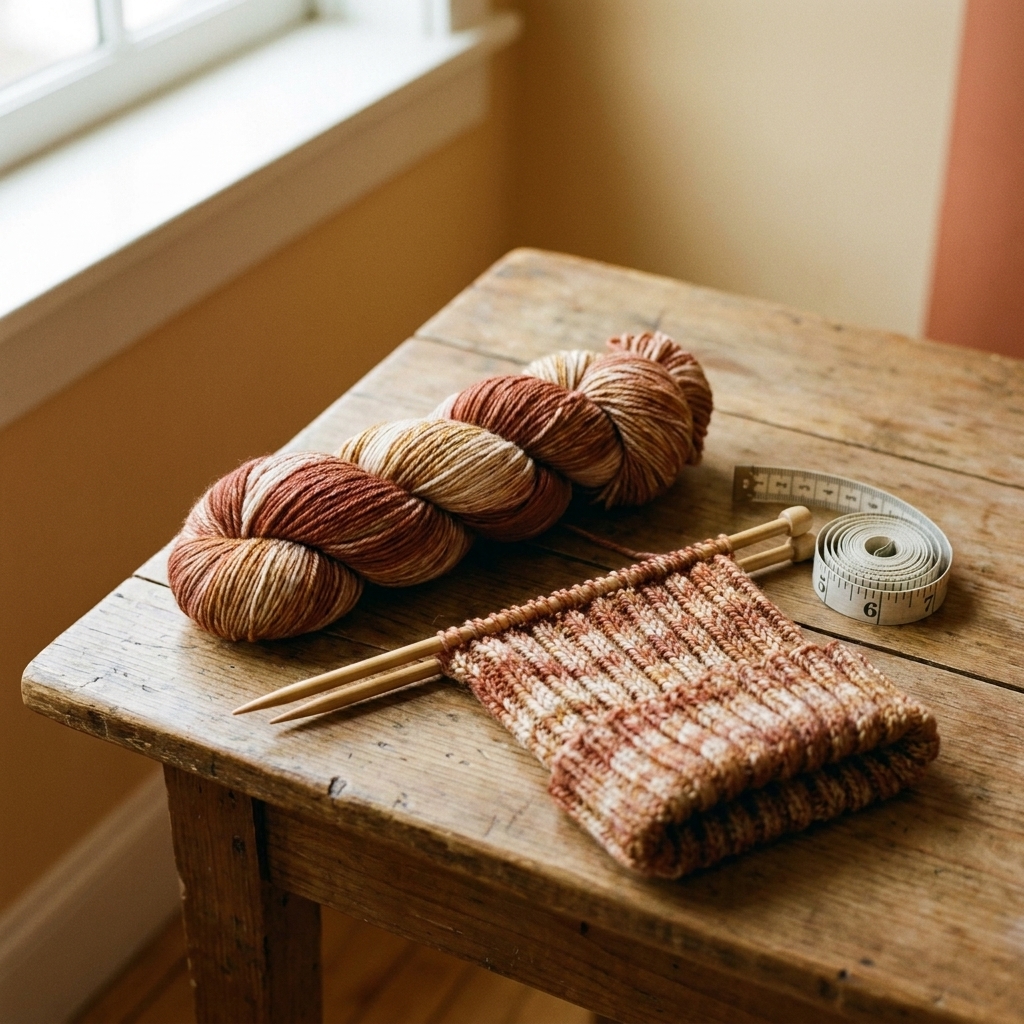
Quick note before we dive in: “One skein” is a vibe, not a law of physics. A 50 g sock skein and a 100 g worsted skein are very different creatures. Each project below includes a realistic yardage range and easy ways to adjust if you are playing yarn chicken.
Before you start
1) Find your yardage (not just the grams)
Flip the ball band and look for yards or meters. If your yarn is missing its label, you can:
- Weigh it on a kitchen scale (grams).
- Search the yarn name online to find the meters per 50 g or similar.
- Estimate remaining yardage proportionally. Example: if a 100 g skein is 220 yards and you have 50 g left, you likely have about 110 yards.
2) Remember: gauge changes yardage
Two knitters can use the same skein and end up with wildly different results. A looser gauge usually eats more yarn; a tighter gauge can make a skein go farther (but can also make fabric feel stiff). For fitted items like hats, mitts, and socks, a quick swatch is the difference between “nailed it” and “why is my hat a bowl.”
3) Pick a stitch that matches your yardage
Some stitches drink yarn like it is happy hour. In general:
- Most yarn-hungry: brioche, fisherman’s rib, heavy cables
- Middle: seed stitch, garter stitch, basic textured repeats
- Most efficient: stockinette
- Relatively efficient: simple ribbing, open lace (the kind with real negative space)
4) If you are mixing yarns, mix on purpose
One-skein projects are the perfect place to play with contrast. If you have two partial skeins, you can:
- Hold them together for marled fabric.
- Use stripes to stretch yardage or add interest.
- Use one yarn for ribbing and edging so the main color goes farther.
- If you are joining a new skein of the same color (especially hand-dyed), consider alternating skeins every round or two for a few inches to blend the transition and avoid a visible line.
7 one-skein projects
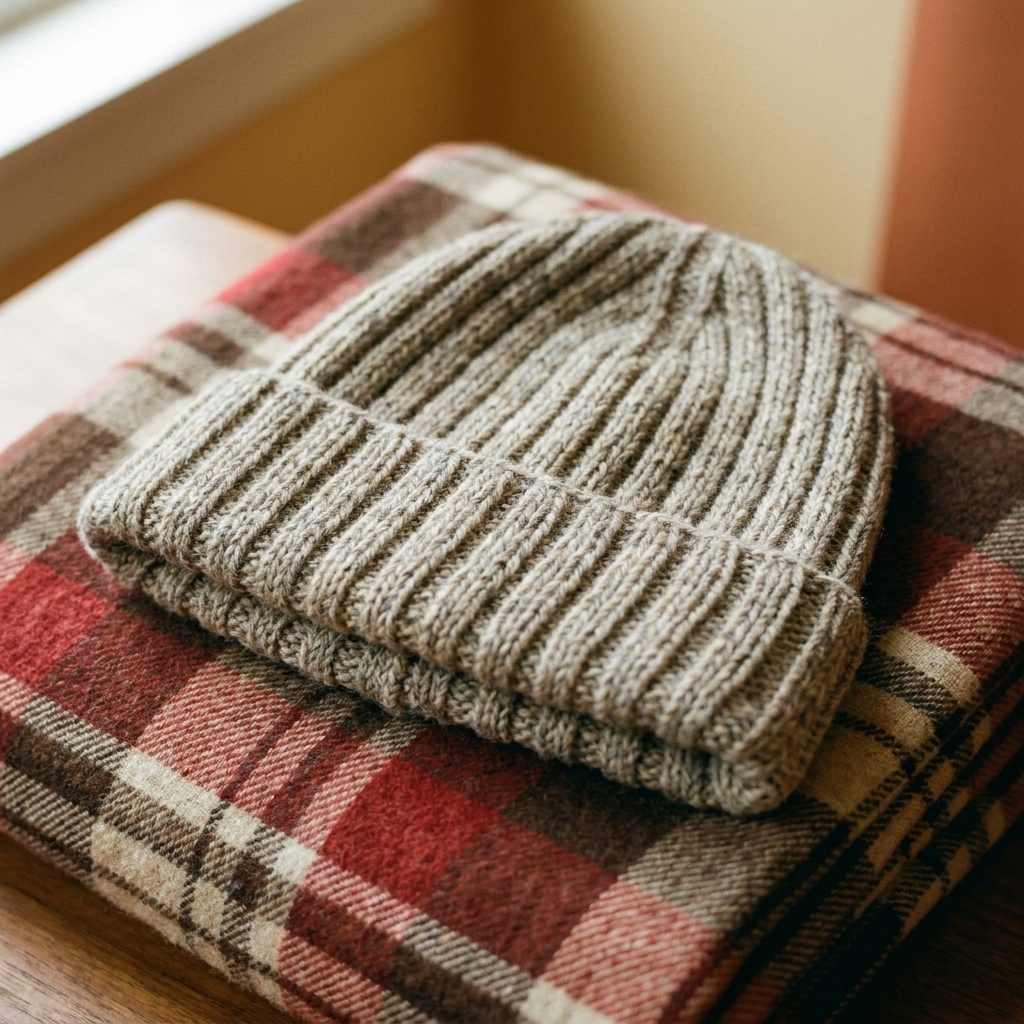
1) Classic ribbed beanie
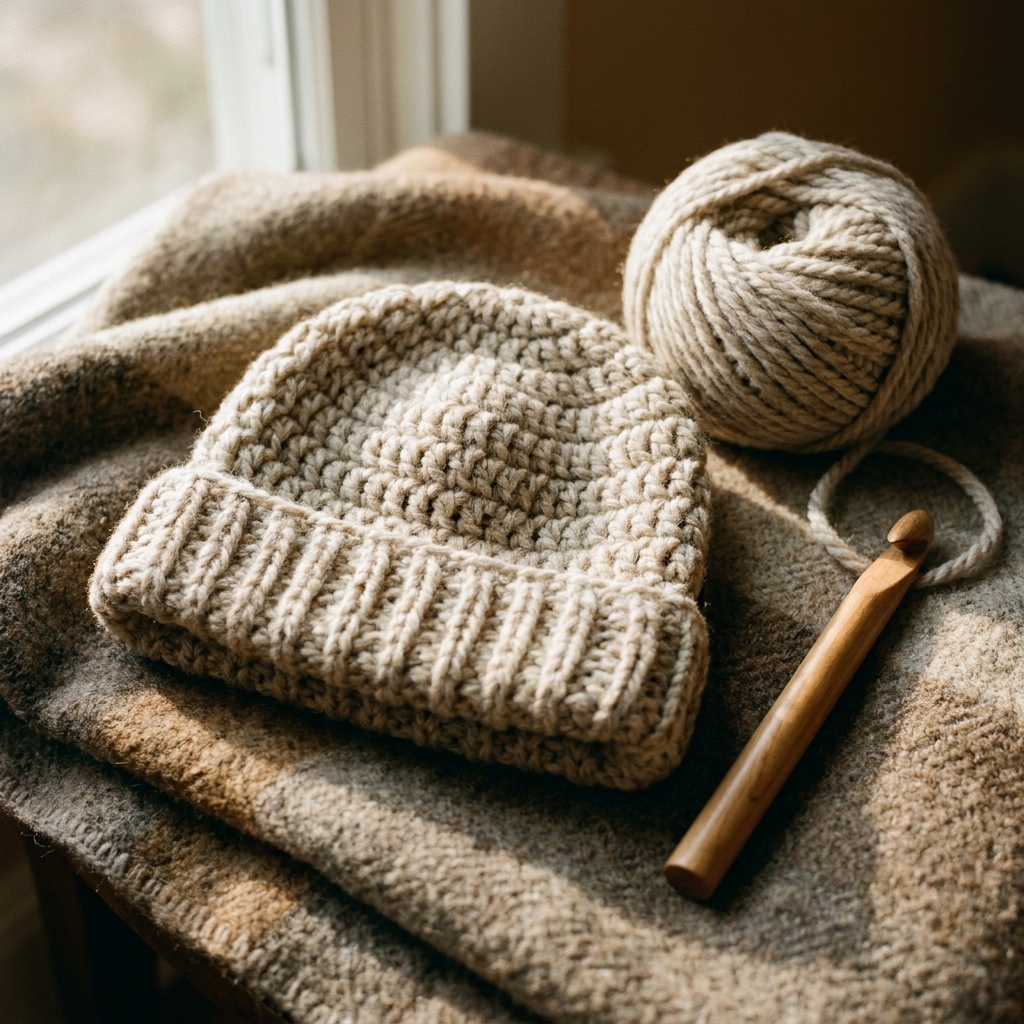
If you want maximum “I made a useful thing” for minimum decision fatigue, start here. A ribbed hat is forgiving on gauge, looks polished, and makes even basic yarn feel fancy.
Best for: worsted or DK, solid or tonal yarns
Typical yardage: 150 to 220 yards for an adult hat (depending on slouch and brim depth)
- Beginner-friendly construction: knit in the round, 1x1 or 2x2 rib, decrease crown
- Make it fit your skein: stop when the body is as long as you can afford, then begin decreases. A slightly shallower hat is still a hat.
- Extra cozy option: add a folded brim (but plan on more yardage)
2) Mindless cowl
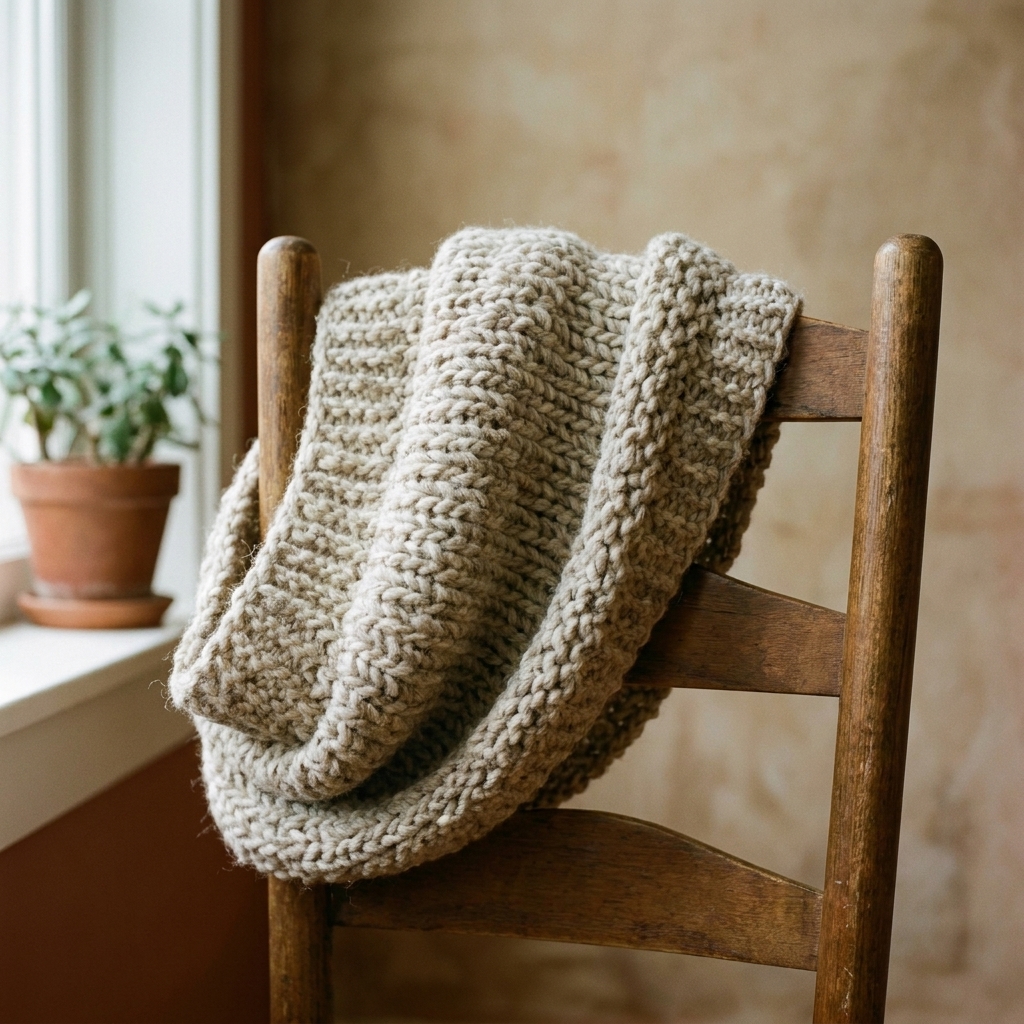
Cowls are the one-skein project I recommend when you want comfort knitting, something you can do while watching a show, or recovering from a slightly ambitious lace chart choice. You know the one.
Best for: bulky, worsted, or DK; yarns with great squish
Typical yardage:
- Bulky: about 120 to 180 yards for a short neck warmer
- Worsted or DK: about 180 to 300 yards for a standard cowl (circumference and height matter a lot)
- Easy stitch ideas: broken rib, seed stitch, garter stitch (worked by alternating knit and purl rounds, or knit flat and seam)
- Make it fit your skein: cast on for your desired circumference first, then knit until your yarn is nearly gone and bind off.
- Pro tip: if you are worried about yardage, choose a shorter cowl you can pull up as a neck warmer, not a full infinity scarf.
3) Cozy fingerless mitts
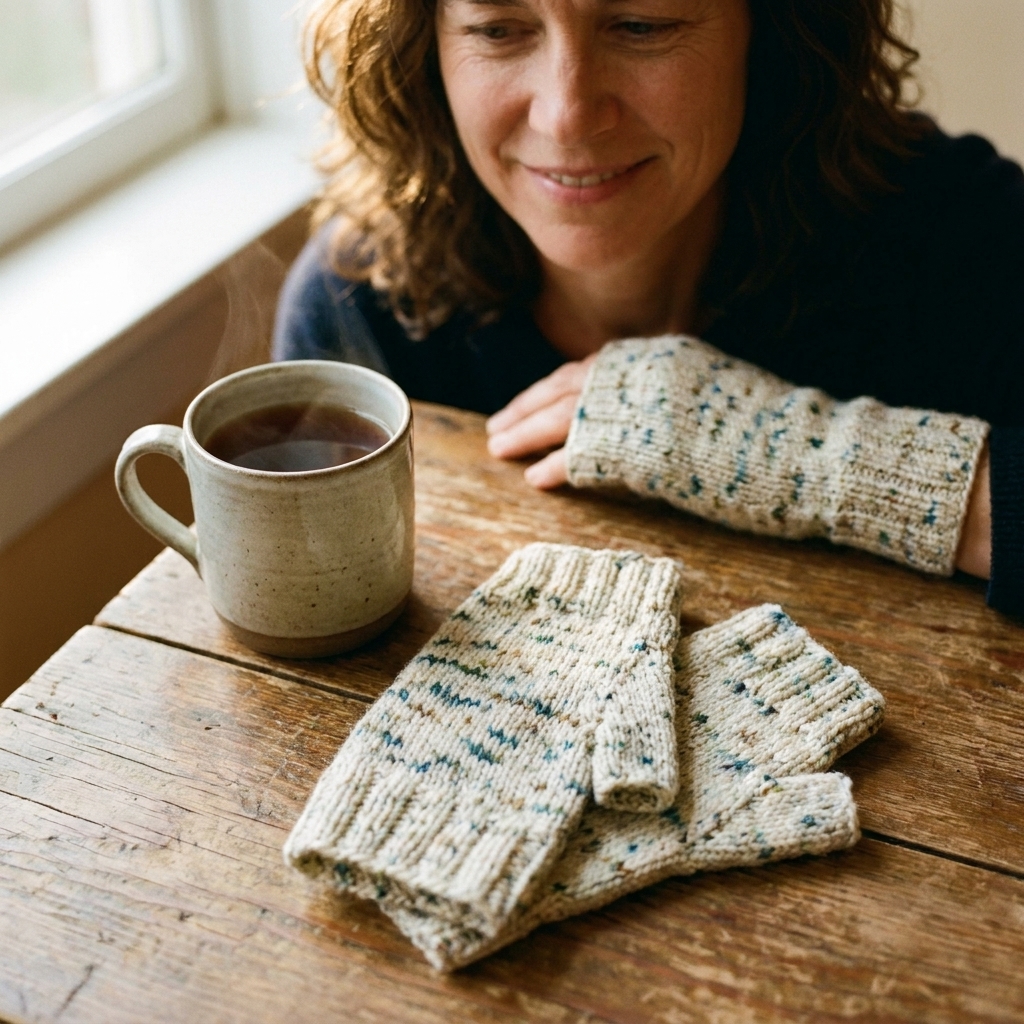
Fingerless mitts are small, fast, and wildly satisfying. They are also a sneaky way to use those “too pretty to be dishcloth” skeins without committing to socks.
Best for: DK or worsted; smooth yarn shows texture beautifully
Typical yardage: 120 to 220 yards for a pair (long cuffs and heavy texture can push you higher)
- Beginner-friendly construction: knit a tube with ribbed cuff, leave a thumb gap, finish with ribbing
- Make it fit your skein: keep the mitts wrist-length instead of extending up the forearm, and go easy on all-over cables
- Extra stash-buster: contrast cuffs in a coordinating scrap
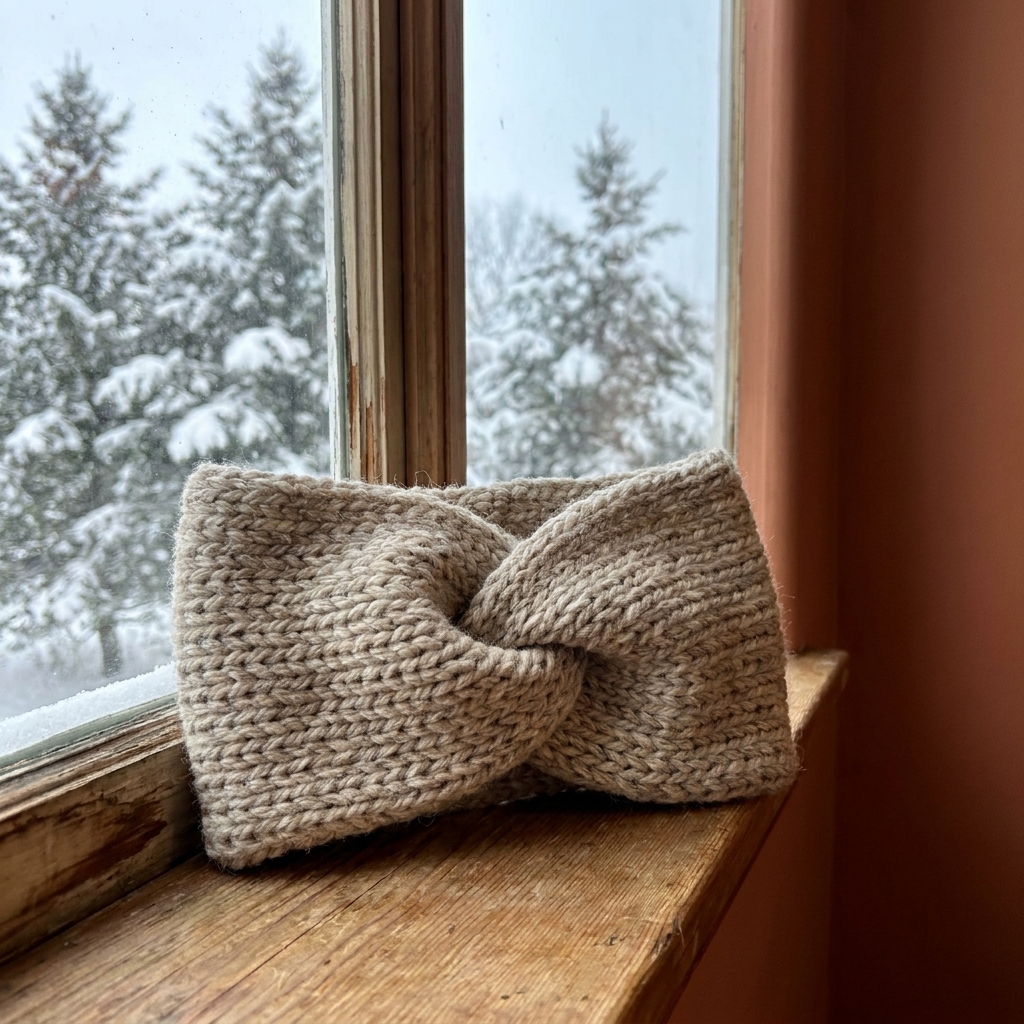
4) Quick headband
When you have less yardage or want an “instant gratification” project, headbands are perfection. Also, if hats make your hair sad, this is your answer.
Best for: worsted, DK, or bulky; textured stitches look extra cute
Typical yardage: 40 to 120 yards
- Beginner-friendly construction: knit flat, seam at the end (or use a twist-front construction)
- Make it fit your skein: narrow it slightly or skip a deep ribbed border
- Comfort tip: use a stretchy bind off (a too-tight edge is the fastest way to a headache)
5) Luxury dishcloths
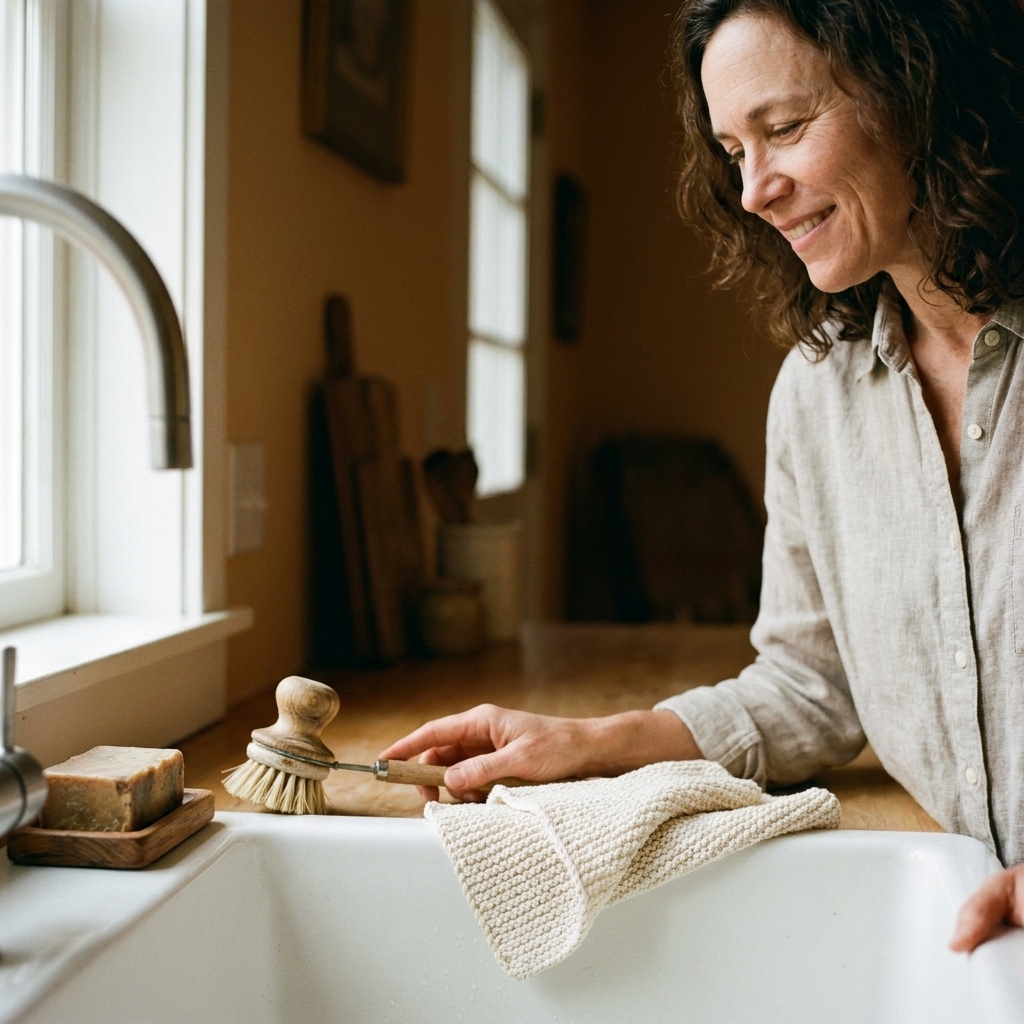
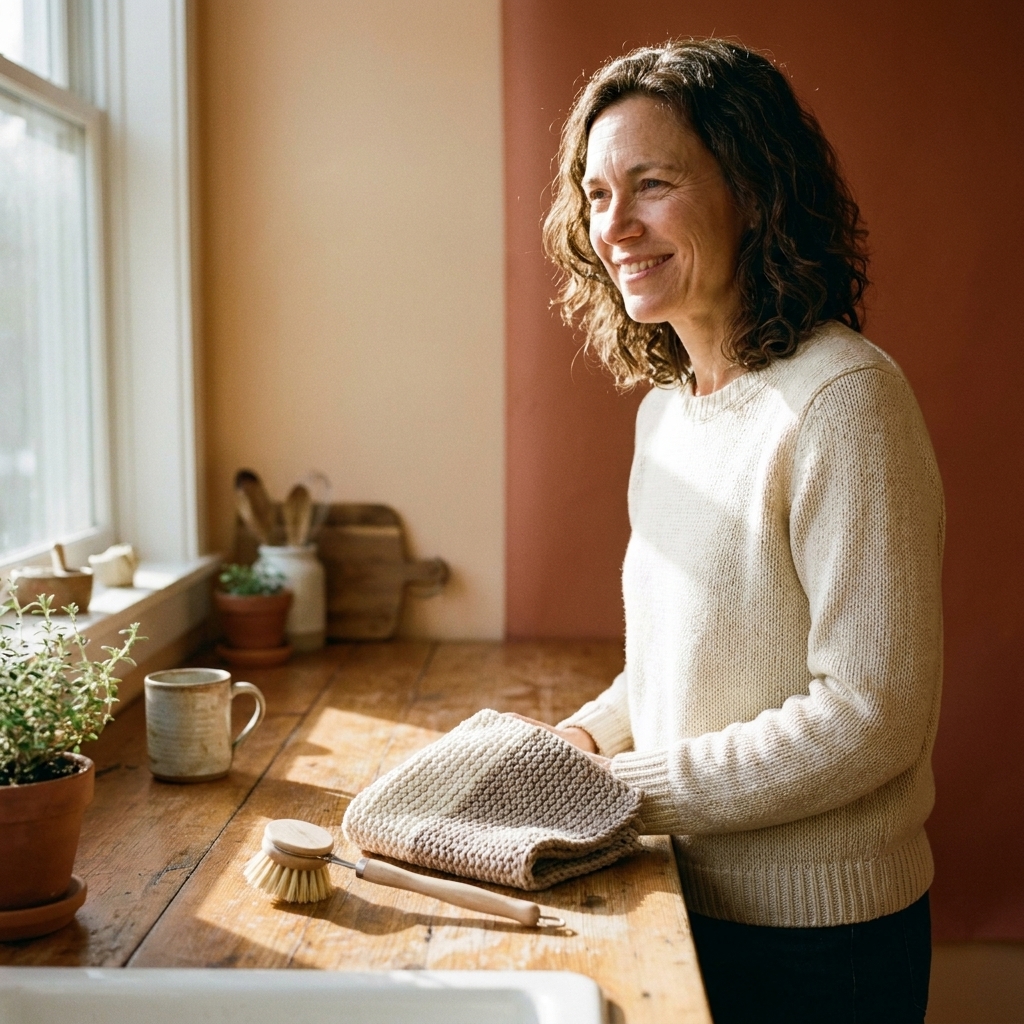
Dishcloths are not just for beginner practice. They are brilliant for using leftovers, testing stitch patterns, and making something genuinely useful. Use cotton for classic kitchen cloths, or linen blends if you want to feel like you live in a very chic cabin.
Best for: cotton, linen, or cotton blends (machine-washable is your friend)
Typical yardage: 45 to 80 yards per cloth (depending on size and stitch)
- Beginner-friendly stitches: garter, seed stitch, simple slip-stitch texture
- Make it fit your skein: knit smaller squares, or do two smaller cloths instead of one large
- Gift idea: pair with a bar of soap or a candle for a simple handmade set
6) One-skein socks
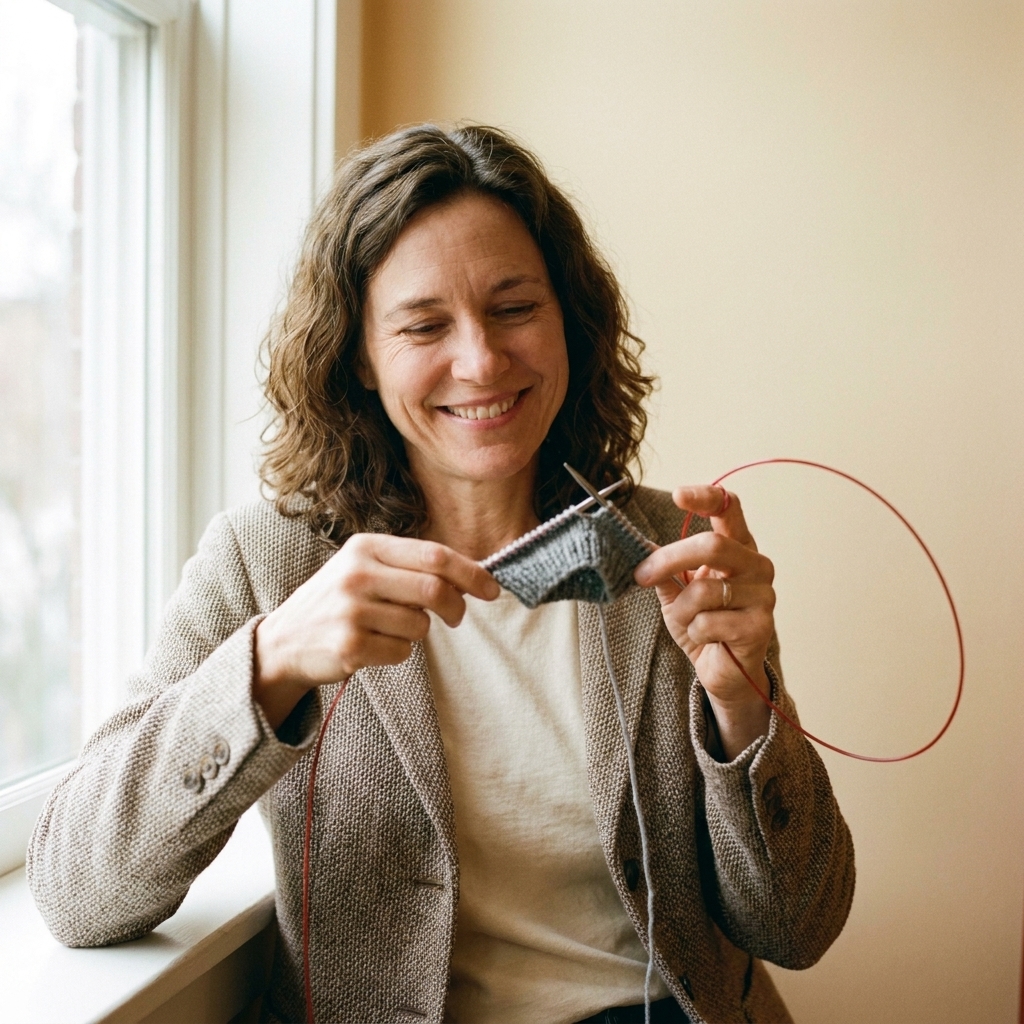
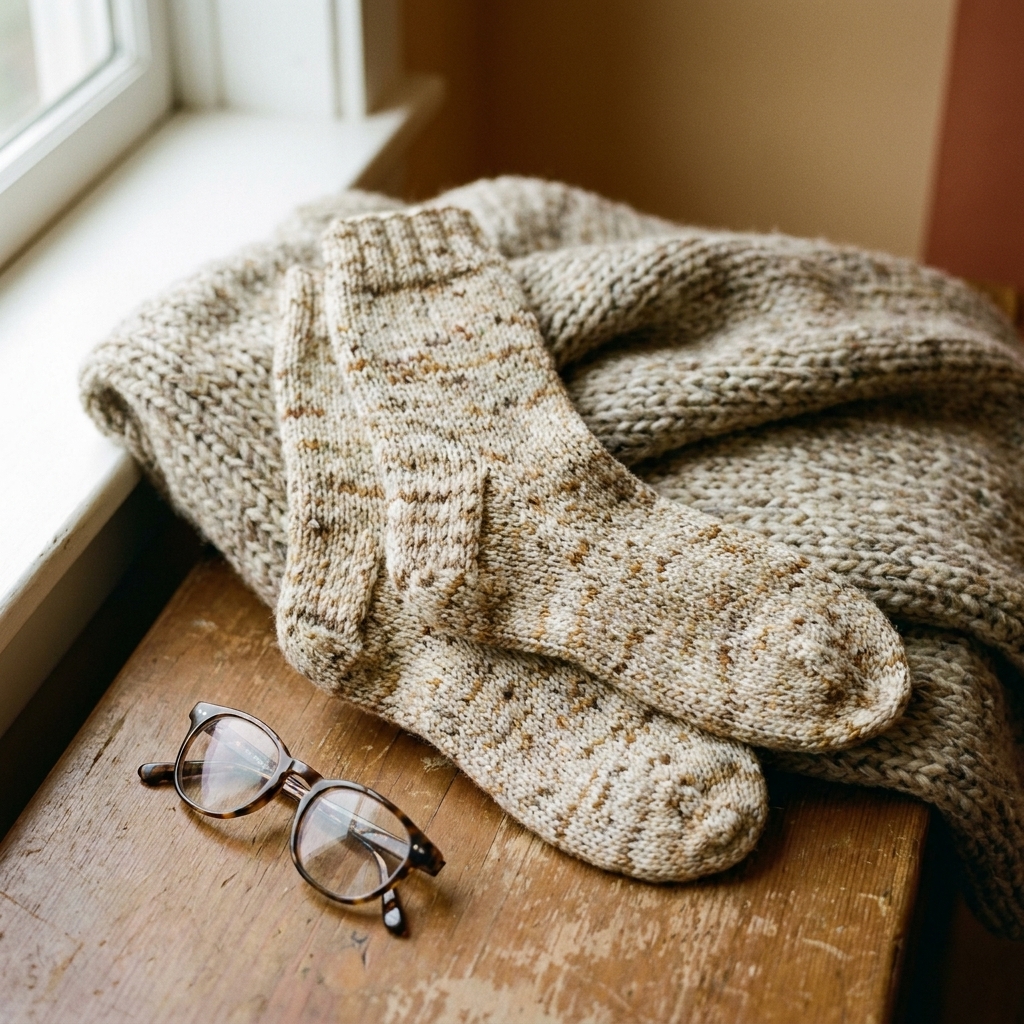
Yes, socks can be a one-skein project, and no, you do not have to be a sock wizard to do it. If you are new to socks, try a basic vanilla pattern with a heel flap and gusset, or a simple short-row heel. If you are worried about yardage, go for ankle socks.
Best for: fingering weight sock yarn with nylon (or a sturdy blend)
Typical yardage: 350 to 450 yards for most adult socks (one standard sock skein)
- Beginner-friendly path: top-down cuff, plain leg and foot, basic heel, simple toe decreases
- Make it fit your skein: shorten the leg, or knit contrast cuffs and toes with a mini or scrap
- Reality check: bigger feet, longer legs, colorwork, and all-over texture can exceed one skein. When in doubt, keep the leg and top of foot simple and save the fancy stitches for the cuff.
7) Lacy bandana
If your single skein is a smooth, drapey fingering or sport weight, a small shawl is a lovely way to let it shine. Bandana-style kerchiefs and mini triangles are especially one-skein friendly because you can bind off the moment you hit your comfort zone with remaining yardage.
Best for: fingering, sport, or light DK; wool, cotton, or blends depending on season
Typical yardage: 200 to 400 yards
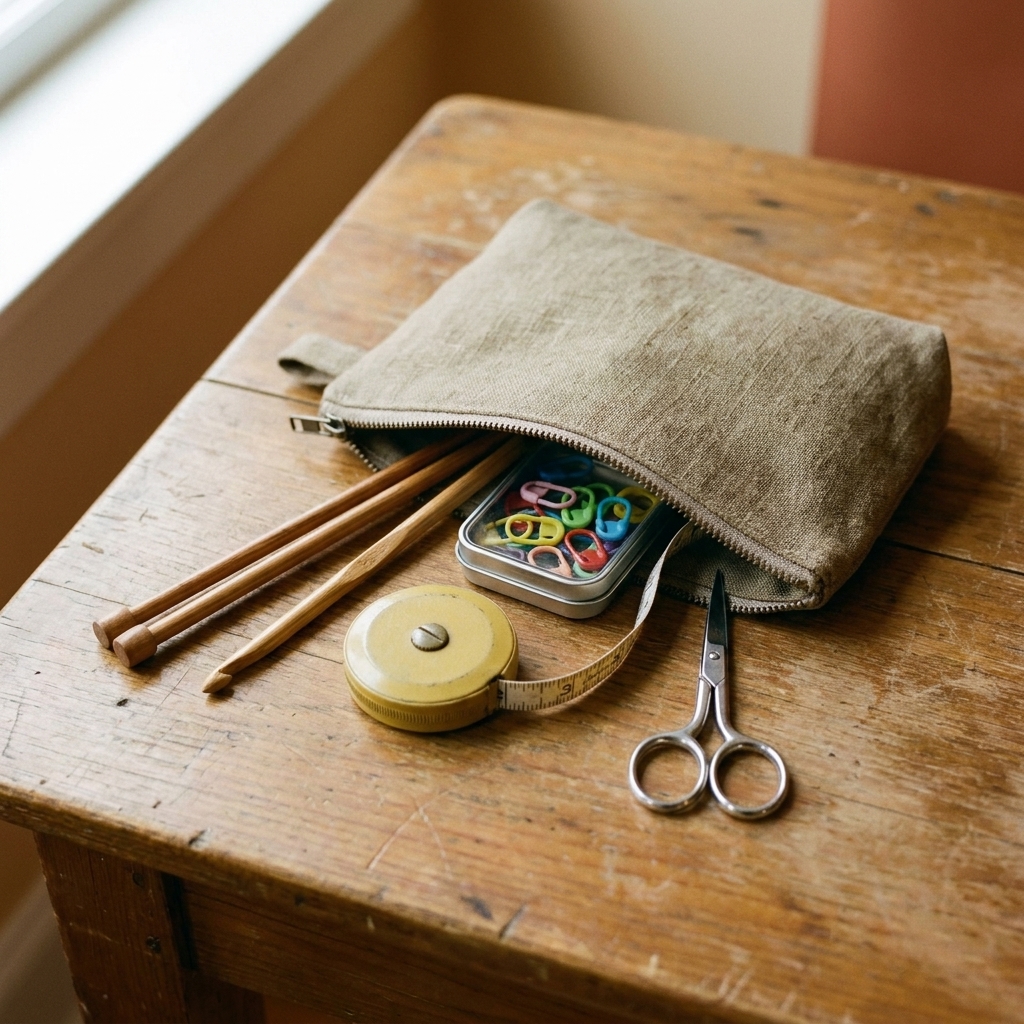
- Beginner-friendly lace tip: choose a pattern with a simple repeat and use stitch markers like little lifeguards
- Make it fit your skein: stop after one fewer lace repeat, or switch to a simpler border to finish
- Wear it: tied at the neck, under a coat collar, or as a headscarf

Rescue tricks
When you are running out of yarn
- Shorten length first: make the hat less slouchy, the mitts less long, the cowl less tall.
- Swap to a smaller needle for ribbing: you often gain stretch and structure without needing extra yarn.
- Choose an earlier bind off: especially for shawls and cowls. You can always block to open things up.
- Add a contrast edge: crochet a simple slip stitch or single crochet border with a scrap to finish cleanly.
When you have more yarn than expected
- Add a folded brim on a hat.
- Extend cuffs on mitts.
- Knit a matching mini like a headband or a set of mug cozies.
- Make it a set: headband plus mitts feels fancy but still very manageable.
Tiny leftovers (10 to 30 g)
- Scrunchie: fast, giftable, and surprisingly addictive.
- Coasters: try garter squares or a simple slip-stitch texture.
- Mini ornament: a tiny star or ball shape is perfect for “I refuse to throw this away” yarn.
Yarn by weight
- Fingering (about 350 to 450 yd per 100 g, varies by brand): socks, bandanas, lightweight cowls
- Sport to DK (about 230 to 350 yd per 100 g, varies by brand): mitts, hats, textured cowls
- Worsted (about 180 to 220 yd per 100 g, varies by brand): hats, headbands, warm cowls
- Bulky (about 80 to 140 yd per 100 g, varies by brand): quick cowls, super fast hats, thick headbands
If you are crocheting instead of knitting, the same project categories work beautifully, but crochet usually uses a bit more yarn for the same size. When in doubt, choose the smaller version (headband instead of hat, short cowl instead of infinity scarf) or plan a contrast stripe.
FAQ
How do I know if one skein is enough for a hat?
Most adult hats in worsted weight take 150 to 220 yards. If your skein is 100 g worsted around 200 yards, you are usually safe for a fitted beanie with a standard brim. If you want a folded brim or extra slouch, you may need more yardage or a contrast brim.
What is the easiest one-skein project for a true beginner?
A dishcloth (flat, quick, low pressure) or a simple headband (small wearable, minimal shaping). Both teach tension and edge control without requiring advanced finishing.
What if my “one skein” is a half skein?
Pick a headband, one dishcloth, or a couple of coasters. Or make a scrappy project on purpose by striping two or three partial skeins together. Your stash gets smaller either way, and that is the whole point.