Standing in a yarn aisle (or staring at 47 open tabs online), it is very easy to think: Why does yarn have to be so complicated? I promise it does not. Once you understand what fiber does, choosing yarn goes from stressful to satisfying. You will start matching yarn to projects like you have a little internal “fiber compass.”
This guide focuses on the big three fibers most knitters and crocheters reach for first: cotton, wool, and acrylic. We will talk warmth, breathability, drape, durability, and care, plus which fiber is most forgiving for beginners.
Start here: 5 questions
If you are not sure where to begin, answer these in order. Your best fiber choice usually becomes obvious by question three.
- How will it be worn or used? Next-to-skin sweater, baby blanket, dishcloth, amigurumi, socks, summer top?
- How warm does it need to be? Cozy-inside warm, breathable warm, or “please do not make me sweat” cool.
- How often will it be washed? Rarely, weekly, or constantly.
- Do you need stretch and bounce? Think cuffs, hats, ribbing, fitted garments.
- How much fuss are you willing to tolerate? Handwash is fine, or absolutely not.
Quick translation: Wool is the champ for warmth and elasticity. Cotton shines for cool, crisp, washable projects with structure. Acrylic is budget-friendly, easy-care, and consistent, but many acrylics can run warmer and less breathable than you expect.
Fiber basics
Warmth and breathability
Wool insulates even when damp and manages moisture well, which is why it is the classic winter fiber. Cotton breathes and often feels cool because it absorbs moisture and conducts heat well, but it can also hold onto that moisture. Acrylic varies by brand and construction, but many acrylics trap heat and do not wick moisture the same way, so they can feel cozy but sometimes a bit “sweatier” for wearables.
Elasticity, drape, and memory
Elasticity is stretch and bounce-back. Wool has great elasticity and memory (it returns to shape), which makes it forgiving when your tension is still finding its groove. Cotton has very little elasticity and less “grab,” so it can show uneven tension more. Depending on how it is spun and plied, it can also feel splitty. Acrylic usually has moderate elasticity, but less memory than wool.
Drape is how fabric hangs. Cotton tends to drape with weight. Wool can be bouncy and structured (especially in plied yarns). Acrylic can range from stiff to drapey depending on how it is spun.
Pilling, durability, and abrasion
Pilling happens when short fibers work their way to the surface and tangle into little fuzz balls. Many soft wools and some acrylics pill, especially in high-friction spots like underarms. Cotton often pills less than many wools and acrylics, but it can still pill, especially in shorter-staple cottons and blends. Cotton can also wear thin over time when constantly rubbed (dishcloths and tote bags are a different kind of wear than sweaters).
Allergies and sensitivities
Some people are sensitive to animal fibers, some react to certain dyes or finishing treatments, and some simply dislike the “prickle” of wool. If you are making a gift, consider asking about sensitivities or choose a fiber that is widely tolerated, like cotton or a soft acrylic. For wool lovers with sensitive skin, finer wools (often labeled merino) can feel much softer, but they can pill more, especially in very soft, lofty bases.
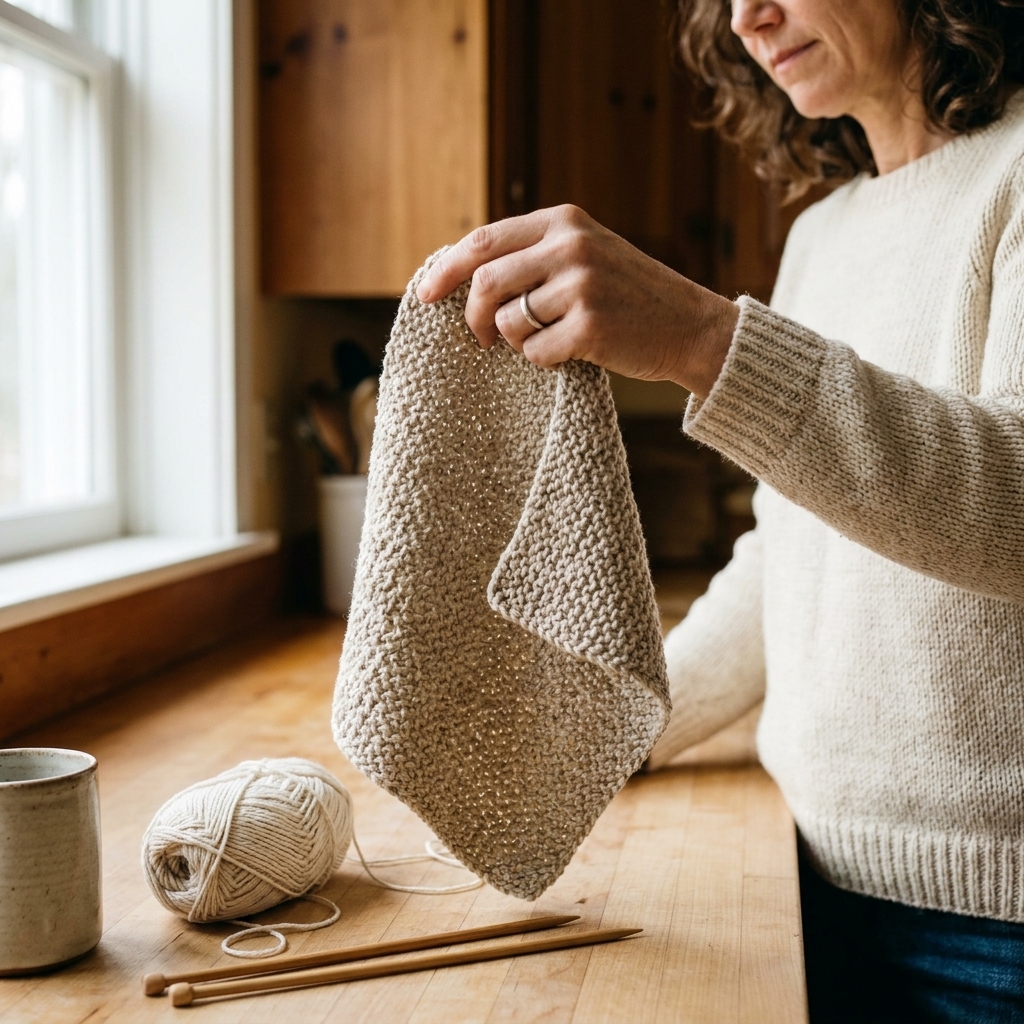
Cotton yarn
Cotton is a plant fiber, and it behaves like one. It is absorbent, breathable, and generally very washable. It is also heavier than wool for the same thickness, so a cotton garment often has more “hang” and can grow in length with wear.
Why makers love cotton
- Breathable and cool for warm-weather tops and layers.
- Great stitch definition for texture and simple colorwork.
- Absorbent for dishcloths, washcloths, summer accessories, and home decor.
- Often machine washable (still check the label).
Where cotton can surprise you
- Low elasticity: it can feel harder on the hands, and it is less forgiving of tight tension.
- Can stretch or grow: especially in heavier garments or looser gauge fabrics.
- Can feel heavy: a large cotton blanket is a workout, ask me how I know.
Best projects for cotton
- Dishcloths, washcloths, and market bags
- Baby wash items (bib cloths, burp cloths)
- Summer tops, tanks, and tees
- Light cardigans for indoor air conditioning survival
- Amigurumi (especially mercerized cotton for crisp stitches)
Wool yarn
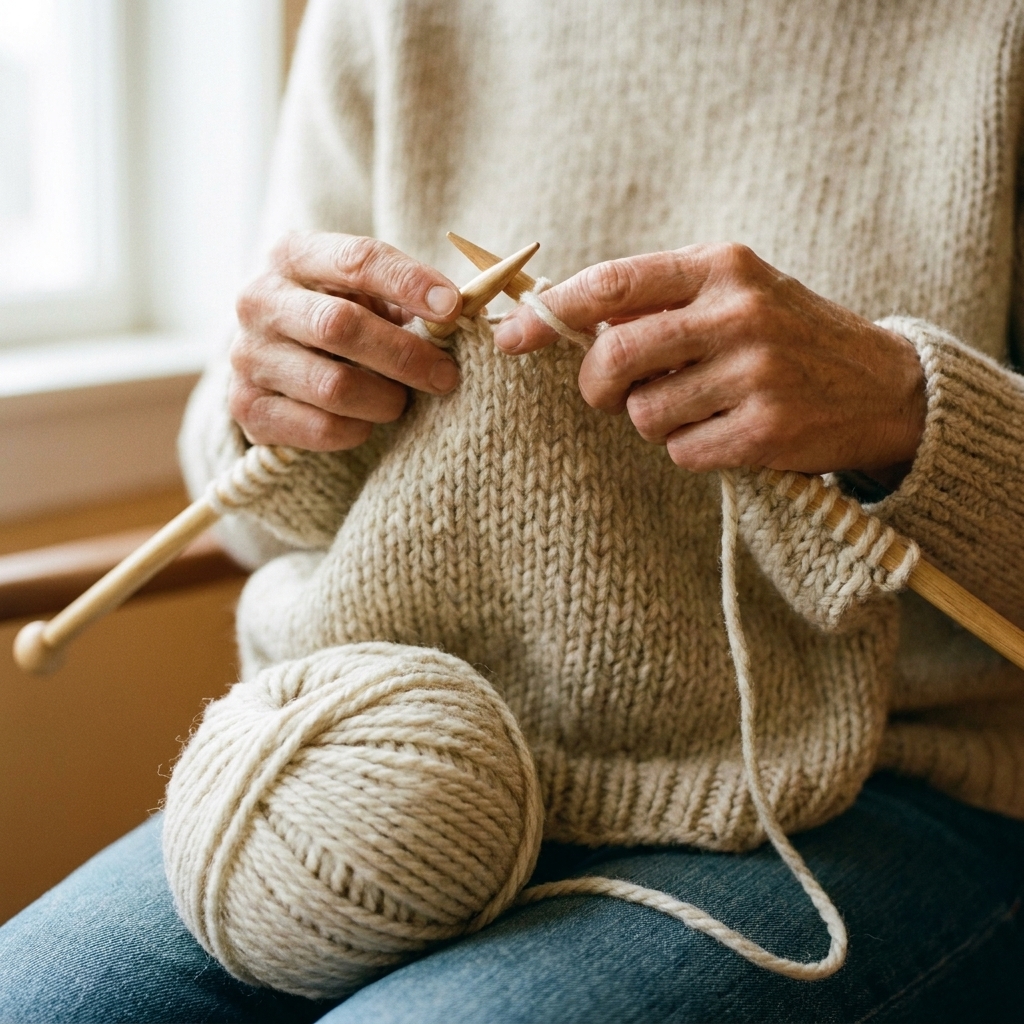
If I could hand every new knitter or crocheter a “training wheels” fiber, it would often be wool. Not because it is fancy, but because wool’s natural elasticity makes learning so much smoother. Stitches sit nicely on the needle or hook, and the fabric has a little give.
Why makers love wool
- Warmth without bulk: wool insulates efficiently.
- Elasticity and memory: great for ribbing, hats, socks, and fitted sweaters.
- Blocks beautifully: shaping and lace often look dramatically better after blocking.
- Odor resistant: wool can be worn multiple times between washes.
Where wool can be tricky
- Care: some wool must be handwashed and dried flat to avoid felting or stretching.
- Sensitivity: not everyone enjoys wool next to the skin.
- Moths: store clean wool items and yarn thoughtfully (sealed bins help).
Superwash vs non-superwash
Superwash wool has been treated so it is less likely to felt and is often machine washable. It is wonderful for kids’ items and everyday wear, but it can sometimes grow more with wear and wet blocking. Drying rules vary, too: some superwash yarns tolerate the dryer, but many labels still recommend laying flat.
Non-superwash wool tends to have more “grip,” holds shape beautifully, and is often preferred for colorwork and structured garments, but it needs gentler care. Superwash can still work for colorwork, you just may need to swatch more carefully and be extra honest about how you will wash it.
Best projects for wool
- Hats, mittens, cowls, scarves
- Sweaters and cardigans (especially anything with ribbing)
- Socks (typically a wool blend with nylon for strength)
- Blankets you want to be truly warm and cozy
Acrylic yarn
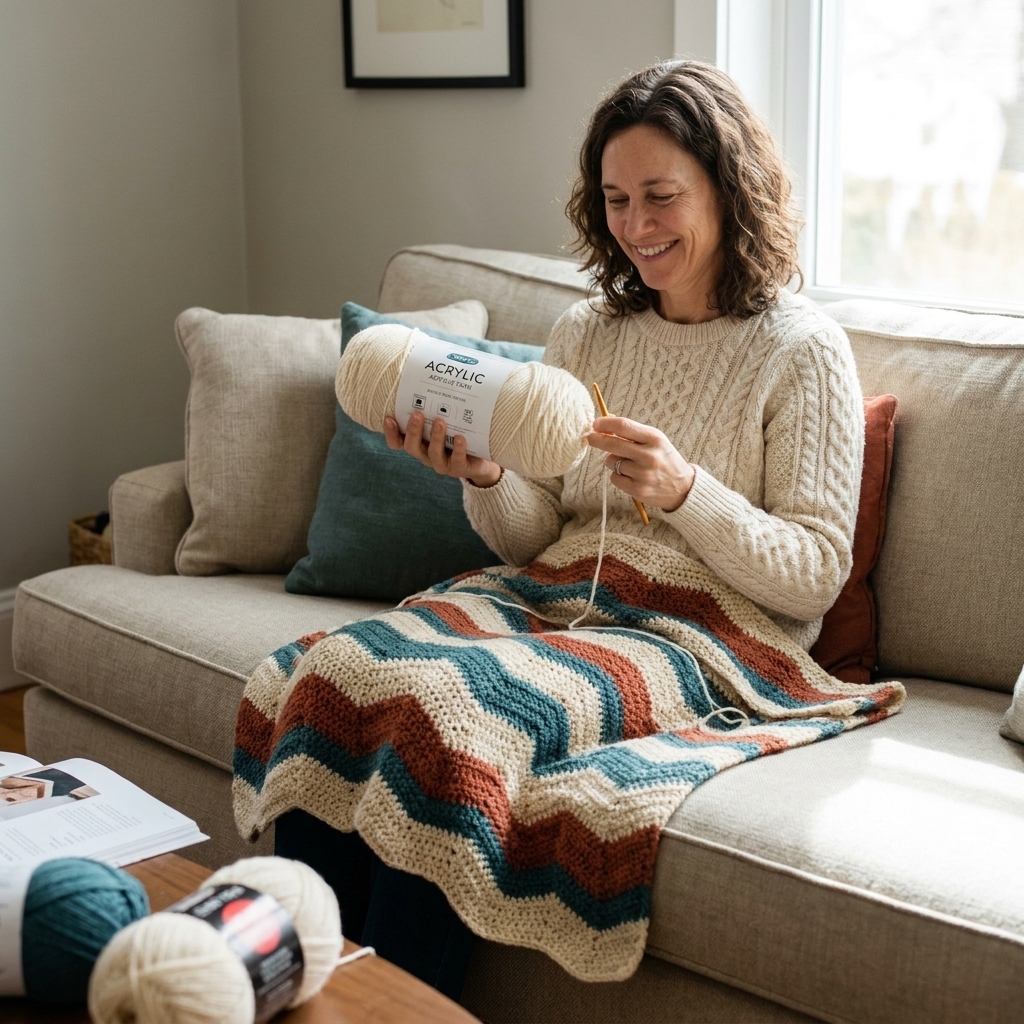
Acrylic is a synthetic fiber, and it is widely available for good reasons: it is consistent, often very soft, and usually machine washable and dryable. Acrylic can be an excellent choice for blankets, toys, and items that will be washed often.
Why makers love acrylic
- Easy care: many acrylics are machine washable and can handle the dryer.
- Budget friendly: great for big projects and for practicing new techniques.
- Color variety: bright solids, speckles, gradients, and everything in between.
- Accessible: easy to find locally and online in many weights.
Where acrylic can be tricky
- Less breathable: can feel warmer or clammy for some wearables.
- Heat sensitivity: high heat can melt or damage acrylic, so keep it away from very hot irons and be cautious with high dryer settings.
- Pilling: some acrylics pill more, especially very soft, lofty ones.
- Static: occasionally an issue in dry winter air.
Best projects for acrylic
- Everyday blankets and throws
- Baby blankets and kid gear that needs frequent washing
- Amigurumi and toys (especially if you need bright, consistent colors)
- Charity makes where easy care matters
- First-time sweaters if you want low-stress care
Quick decision guide
Warmest option
Choose wool. For sensitive skin, try a softer wool or a wool blend, and consider wearing a layer underneath.
Coolest and most breathable
Choose cotton. It is a summer staple for a reason.
Easiest care
Choose acrylic or superwash wool. Always check the label, and avoid high heat for acrylic.
Most forgiving for beginners
Choose wool (especially a smooth, light-colored wool) for learning. If wool is not an option, choose a smooth acrylic that is not too fuzzy.
Best stitch definition
Choose cotton or a smooth wool. Avoid very fuzzy yarns until you feel confident reading your stitches.
Project picks
Hats
Best: wool (or wool blend). You want stretch, bounce, and warmth. Also good: acrylic for easy care, especially for kids.
Scarves and cowls
Best: wool for warmth, especially if it is worn outdoors. Also good: acrylic for budget-friendly gifts. Use cotton when you want a light, breathable accessory.
Sweaters and cardigans
Best: wool for elasticity and shape retention. Choose cotton for summer garments or drapey layers. Choose acrylic if you need easy care and are okay with less breathability.
Baby blankets
Best: acrylic or superwash wool for washability. Use cotton for lightweight, breathable blankets, especially for warmer climates.
Dishcloths and towels
Best: cotton. It absorbs, it holds up, and it is easy to wash.
Amigurumi
Best: cotton (crisp stitches) or acrylic (soft, colorful, budget-friendly). Wool can fuzz and hide details, though it is still an option if you like a softer look.
Care and longevity
Washing
- Wool: handwash in cool water unless labeled superwash. Support the weight of wet items, press out water gently, dry flat.
- Cotton: usually machine washable, but expect some shrinkage depending on the yarn and your washer and dryer habits.
- Acrylic: often machine washable, but avoid high heat. Too much heat can permanently change the fiber, flattening the loft or stretching the fabric out of shape.
Blocking
Blocking is just shaping fabric while it dries. Wool responds dramatically and is wonderful for smoothing stitches. Cotton benefits too, but it often relaxes more than it springs back. Acrylic can be blocked gently, but do not use high heat. A light steam held above the fabric can help, but treat heat like a spice: you can always add more, you cannot take it back.
Blends and labels
Blends are the secret third door when pure cotton, pure wool, or pure acrylic is not quite right. A blend combines strengths and softens weaknesses.
- Wool + nylon: classic for socks and hard-wearing accessories.
- Cotton + acrylic: often lighter, softer, and less heavy than pure cotton, with easier care.
- Wool + acrylic: warmth and bounce with lower cost and sometimes easier washing.
- Cotton + wool: breathable warmth with a bit more elasticity than cotton alone (great for transitional-weather garments).
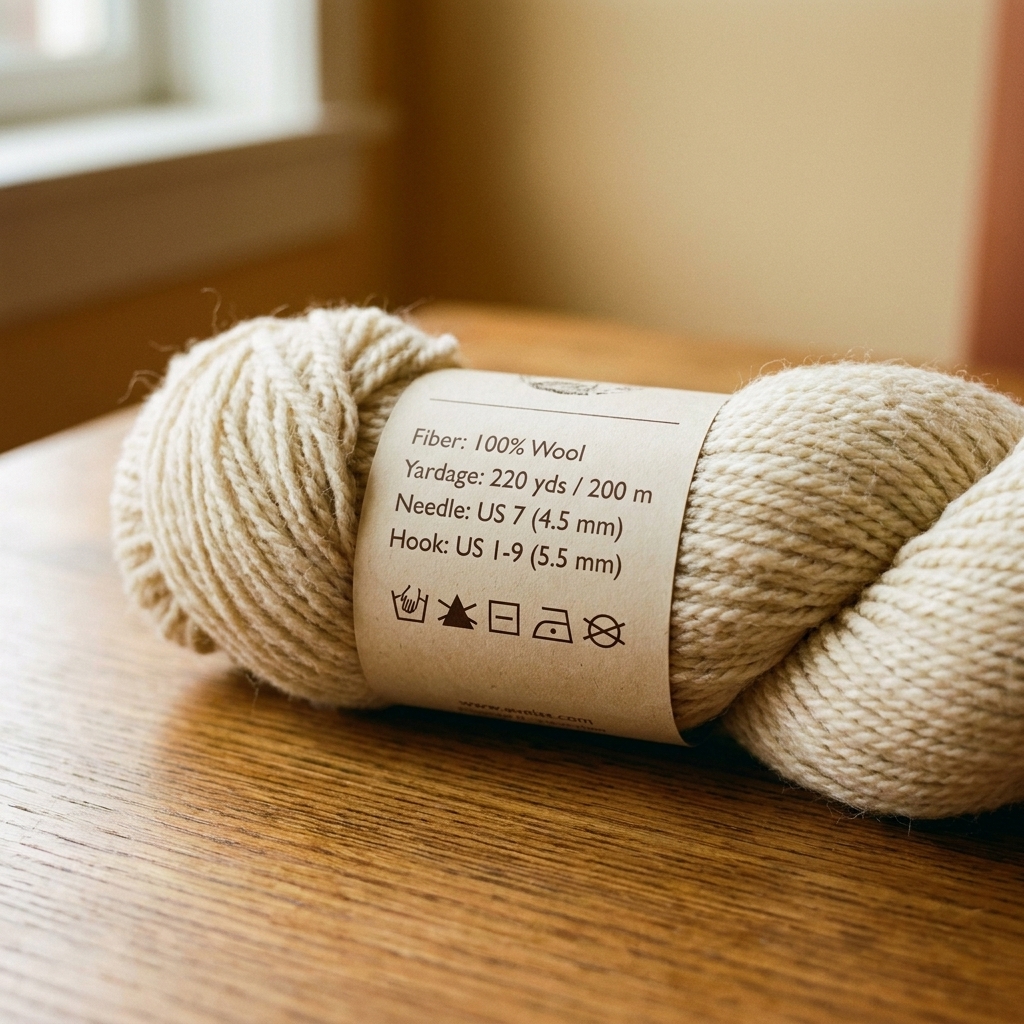
Also, read labels like a detective. Plenty of yarn sold as “wool” is actually a blend, which is not a bad thing. It just means the yarn will behave like its ingredients, not its marketing.
Construction matters too
Fiber is the headline, but construction can change the whole story. A tightly plied yarn is often more durable and less splitty than a loosely spun yarn, even in the same fiber. A lofty single can feel like a cloud and pill like one. And weight matters: a chunky acrylic can feel much warmer than a DK wool simply because it traps more air. If you are trying to predict drape and warmth, look at fiber and yarn weight, twist, and ply.
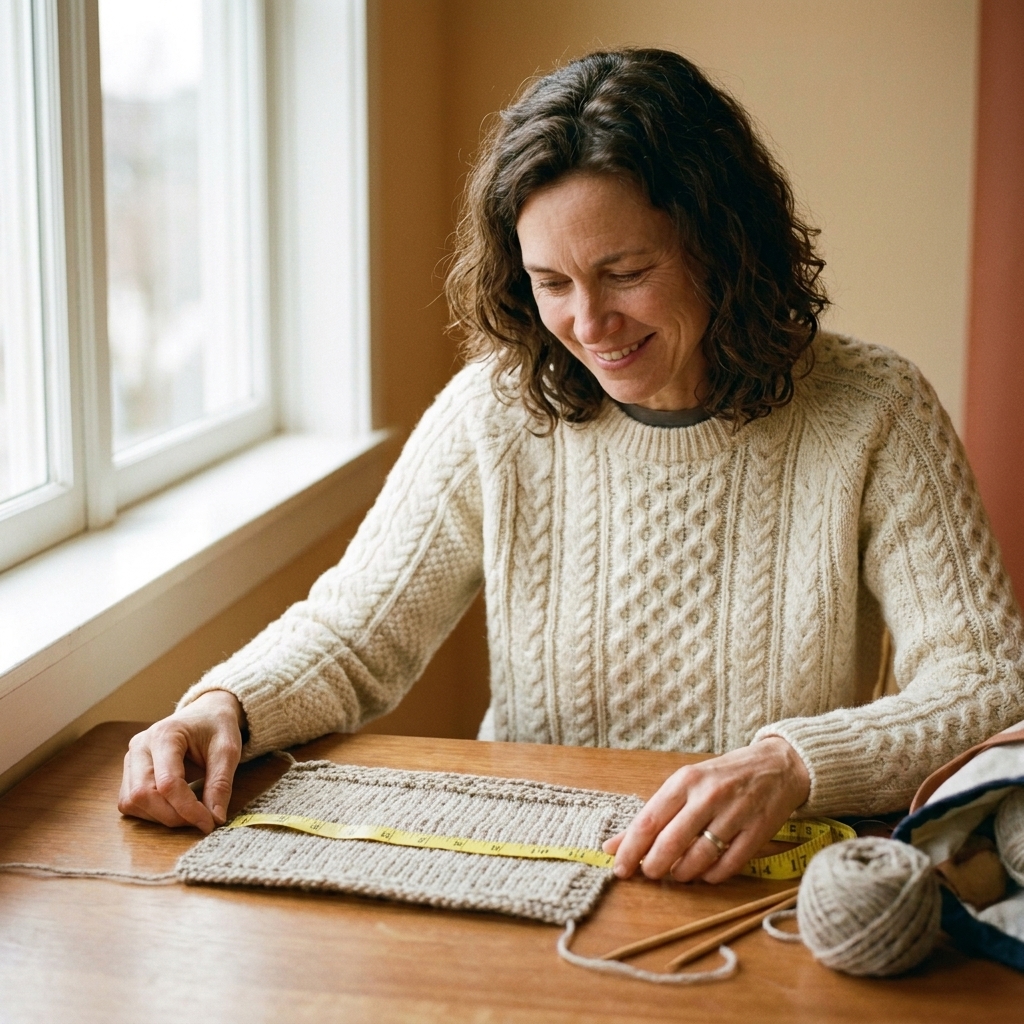
If you are unsure, swatch, wash it the way you will wash the finished item, then see what it wants to do. That tiny rectangle tells the truth.
Choosing yarn online
- Read the fiber content first, then look at yardage and weight. Two “worsted” yarns can behave very differently depending on fiber and how the yarn is spun.
- Check the care instructions before you fall in love with a color.
- Look for finished-project photos to see drape and stitch definition.
- Order one skein first if you are picky about feel. (No judgment. I have “sampling skeins” and a “sampling shelf” and it is… a situation.)
- Watch for keywords like mercerized (usually smoother, shinier cotton) or anti-pilling (more common in acrylics). They can change the feel and performance more than you would think.
FAQ
Is acrylic yarn bad?
No. Acrylic is a practical fiber with real advantages: easy care, affordability, and consistency. It is not the best match for every wearable because breathability can be an issue, but it is excellent for blankets, toys, and frequently washed items.
Is cotton yarn good for beginners?
It can be, especially for simple rectangles like dishcloths. For learning even tension and working comfortably for long sessions, many beginners find wool or smooth acrylic easier because they have more give and a little more grip.
Why does my cotton project feel heavier than I expected?
Cotton is denser and absorbs water, so it carries more weight. Large cotton projects can stretch under their own weight, especially with looser gauge fabrics.
Why is my sweater growing?
Common causes are cotton’s natural drape, superwash wool relaxing after washing, or knitting at a looser gauge than the pattern expects. Swatching and blocking your swatch the same way you will launder the finished garment is the best prevention.
What is the most breathable yarn for summer?
Cotton is a reliable choice for hot weather. Some blends can also work beautifully, especially cotton blends designed for garments.
A cozy takeaway
Choosing yarn fiber is not about rules. It is about matching the yarn’s personality to your project’s real life. If you want warmth and bounce, reach for wool. If you want cool, crisp, and washable, cotton is your friend. If you want easy-care and budget-friendly, acrylic earns its place in the stash.
And if you are still unsure, make a tiny swatch. Ten minutes of swatching can save you ten hours of “why does this feel weird?” later. Ask me how I know.