Yarn weight sounds like it should be about how heavy a skein feels in your hand, but it is really about thickness. (If you have ever bought a “light” yarn that felt very much not light, welcome to the club.) Choosing the right thickness is one of the biggest factors in whether your project turns out the right size, with the right drape, and with the cozy factor you had in your head.
This guide will walk you through standard yarn weight categories from lace to jumbo (commonly shown as 0 to 7 on US labels), show you how to read a yarn label like a pro, and help you choose yarn that behaves the way your pattern expects, whether you knit or crochet.
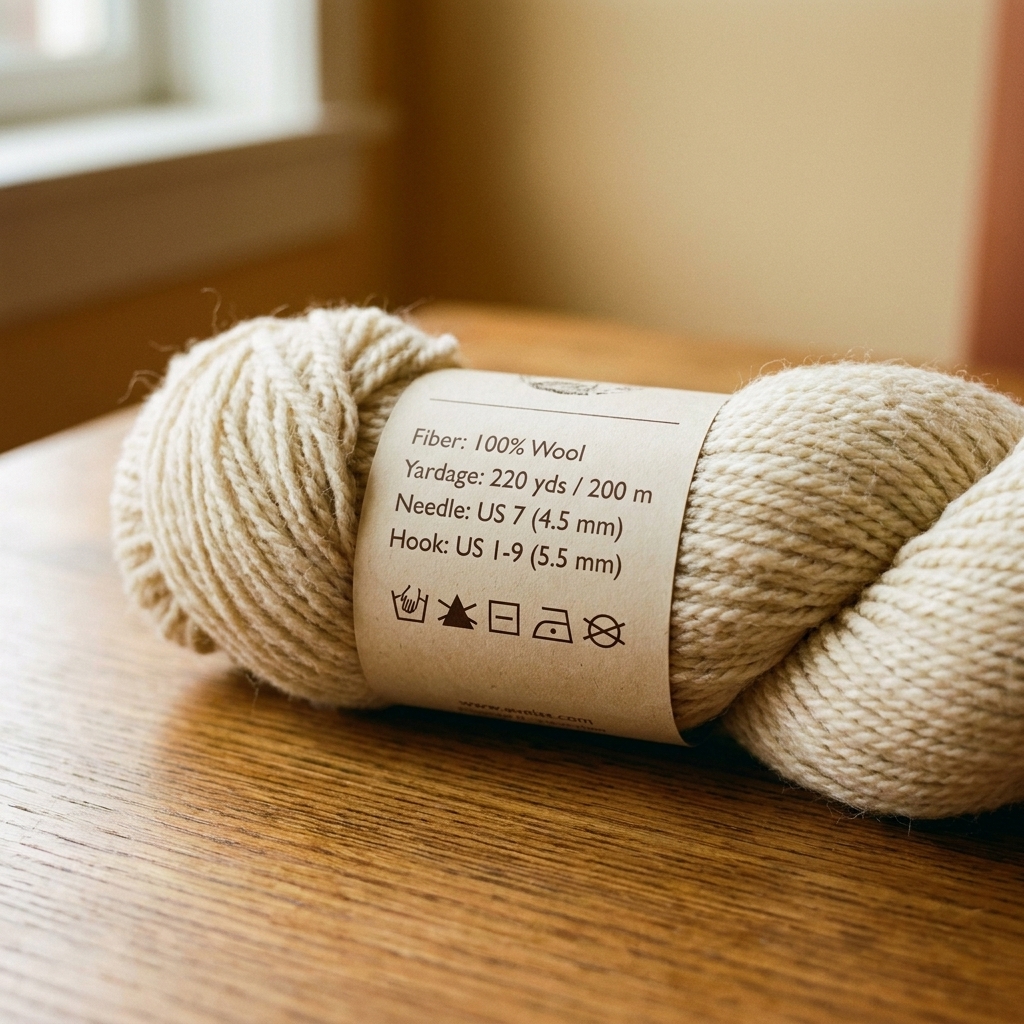
What yarn weight means
Yarn weight = yarn thickness. Thicker yarn makes bigger stitches. Bigger stitches usually mean:
- Faster projects
- More warmth and bulk
- Less drape (often stiffer)
- Different sizing unless you match the pattern gauge
Thinner yarn usually means:
- More time (more stitches per inch)
- More drape and detail
- Less bulk (great for layering)
- Can offer more flexibility in fit when combined with thoughtful gauge work, because small gauge changes translate to smaller size changes
One important beginner-friendly truth: yarn weight names are categories, not exact measurements. Two “worsted” yarns can behave differently based on fiber, twist, and fluff factor.
Standard yarn weight categories
In the US, many yarn labels follow the Craft Yarn Council numbering system (commonly shown as 0 to 7). Patterns may use the number, the name, or both. Here is what each category generally feels like in real life, where it shines, and a rough gauge baseline to help you sanity-check labels and patterns.
Quick gauge note: These stitch ranges are typical ballpark figures, usually given as stitches per 4 inches for knitting. Your fiber, needles, stitch pattern, and personal tension can shift them. Treat them as orientation, not a promise.
0: Lace
What it’s like: Very fine and airy. Often used with bigger needles relative to the yarn to create open fabric.
- Great for: shawls, delicate wraps, heirloom projects, lightweight layers
- Common fibers: wool, alpaca, silk blends, mohair (often held with another yarn)
- Typical knit gauge: about 32 to 40+ sts per 4 inches
- Beginner note: It is beautiful, but it shows every wobble. If you are brand new, start with a calmer yarn weight and come back to lace later.
1: Super Fine (Fingering, Sock)
What it’s like: Thin but sturdy. A classic for socks and lightweight garments.
- Great for: socks, baby items, tees, lightweight cardigans, colorwork
- Why people love it: Great drape without being flimsy, and the fabric feels polished.
- Typical knit gauge: about 27 to 32 sts per 4 inches
- Crochet note: In many stitch patterns, crochet fabric comes out thicker and denser than knit fabric at the same yarn weight. Fingering-weight crochet garments can feel wonderfully wearable and not too heavy.
2: Fine (Sport)
What it’s like: Still slim, but a touch faster than fingering.
- Great for: baby blankets, light sweaters, hats with less bulk, detailed stitch patterns
- Typical knit gauge: about 23 to 26 sts per 4 inches
- Beginner win: Sport weight is a sweet spot for learning garments because it drapes nicely but does not take forever.
3: Light (DK, Light Worsted)
What it’s like: A middle-of-the-road yarn that is friendly and versatile.
- Great for: sweaters, scarves, hats, amigurumi (for smaller, firmer results), blankets with good drape
- Typical knit gauge: about 21 to 24 sts per 4 inches
- Why I reach for it: DK is one of the best “modern wearable” yarn weights because it balances warmth and movement.
4: Medium (Worsted, Aran)
What it’s like: The classic “starter yarn” weight. Easy to see stitches and grows quickly.
- Great for: hats, mittens, cozy scarves, beginner sweaters, blankets, home decor
- Typical knit gauge: about 16 to 20 sts per 4 inches
- Knitting note: Worsted vs aran can be fuzzy across brands. Some patterns treat them as interchangeable, but gauge can shift.
- Crochet note: Worsted crochet blankets can get heavy fast. If you want lighter drape, consider DK instead.
5: Bulky (Chunky)
What it’s like: Thick, squishy, and speedy.
- Great for: quick hats, cowls, slippers, super warm outer layers, cozy home accessories
- Typical knit gauge: about 12 to 15 sts per 4 inches
- Watch for: bulky yarn can make garment seams and shaping look thicker. Choose patterns designed for bulky so the silhouette stays intentional.
6: Super Bulky (Super Chunky)
What it’s like: Very thick, statement stitches, very fast projects.
- Great for: last-minute gifts, dramatic scarves, thick beanies, big pillows
- Typical knit gauge: about 7 to 11 sts per 4 inches
- Beginner caution: It is fast, but it can also highlight uneven tension because each stitch is big and visible.
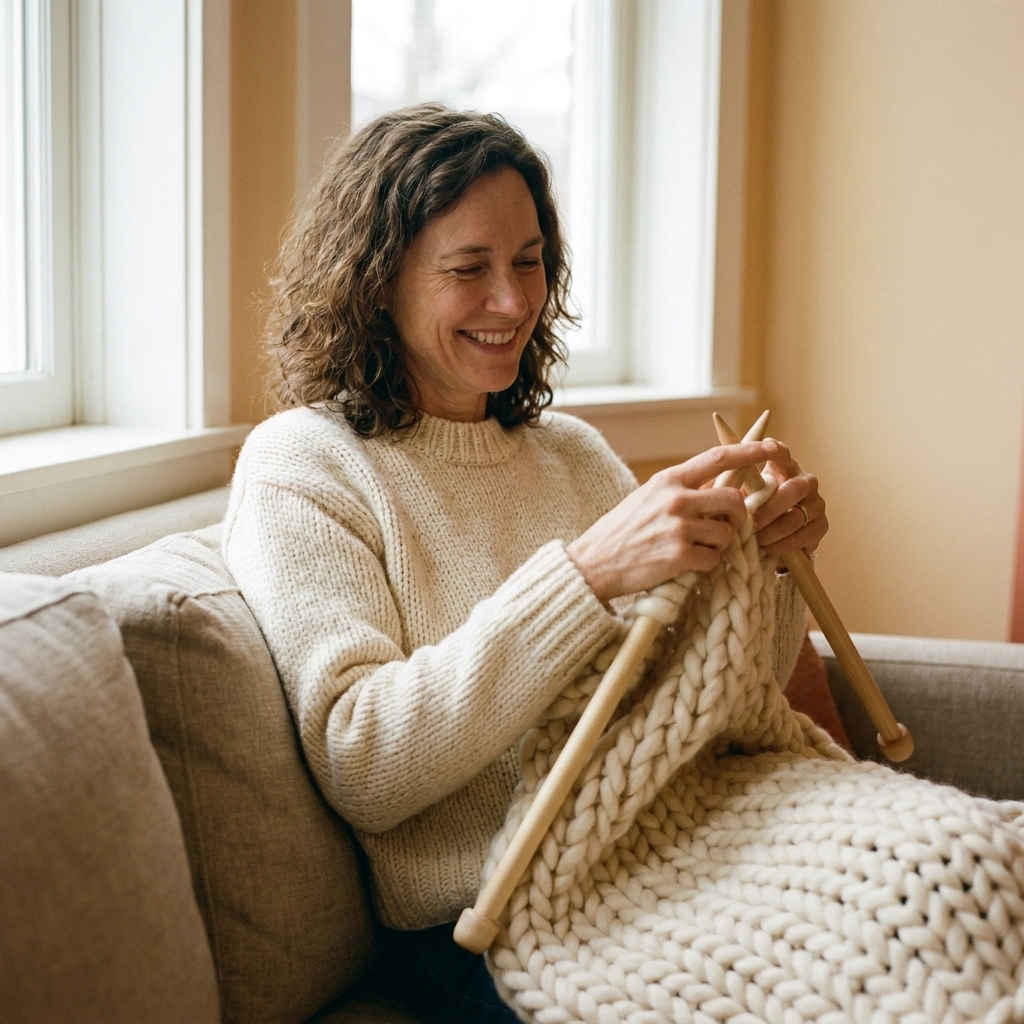
7: Jumbo
What it’s like: Huge. Often roving-style or tube yarn.
- Great for: arm knitting, giant blankets, oversized baskets
- Typical knit gauge: about 6 sts per 4 inches or fewer
- Reality check: Many jumbo yarns pill or shed, and heavy blankets can stretch. Pick patterns that anticipate the weight.
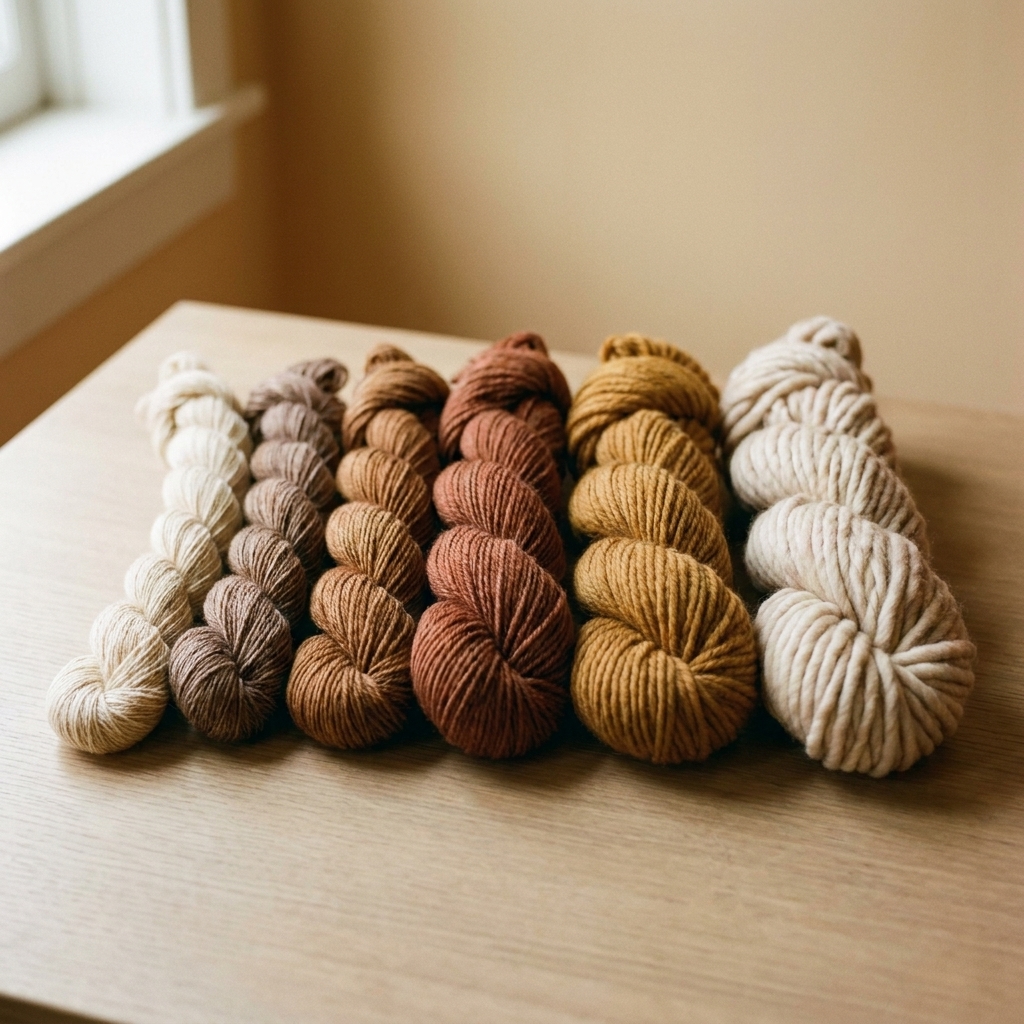
How to read a yarn label
When you are standing in the yarn aisle trying to remember what your pattern said, the yarn label is your best friend. Look for these:
1) Weight name and or number
You might see “DK,” “Worsted,” or a number like “4.” Treat this as a starting clue, not the final verdict.
2) Yardage and grams
Two skeins can be the same weight category but have different yardage. Always compare yards (or meters) when you are calculating how many skeins to buy.
Also, a little label trap to avoid: the same grams does not mean the same yardage. A 100g skein of cotton can have very different yardage than a 100g skein of wool, even if both are labeled “worsted.”
3) Recommended needle or hook size
This is a helpful suggestion, but it is not a rule. Designers often use different sizes to get a specific fabric feel. Use the pattern recommendation first, then adjust for gauge.
4) Gauge range
Many labels include a suggested gauge, often in stitches per 4 inches (knitting) and sometimes single crochet per 4 inches (crochet). It is useful for rough planning.
5) Fiber content and care
Yarn weight tells you thickness, not behavior. Fiber tells you a lot about drape, warmth, durability, and how much your piece will grow after washing.
Sanity-saving tip: If your pattern says “worsted weight,” do not pick yarn by the number alone. Compare yardage, fiber, and most importantly, swatch for gauge. A 15-minute swatch can save you from a 15-hour heartbreak.
Gauge and finished size
Gauge is how many stitches and rows you get in a certain measurement, usually 4 inches or 10 cm. It is what turns “yarn weight” into “this sweater fits.”
Why yarn weight alone is not enough
Two worsted yarns can knit up differently because:
- Fiber (wool vs cotton vs acrylic)
- Twist (tightly spun vs softly spun)
- Halo (fluffy fibers like alpaca and mohair)
- Your personal tension (we all have our quirks)
A simple gauge process
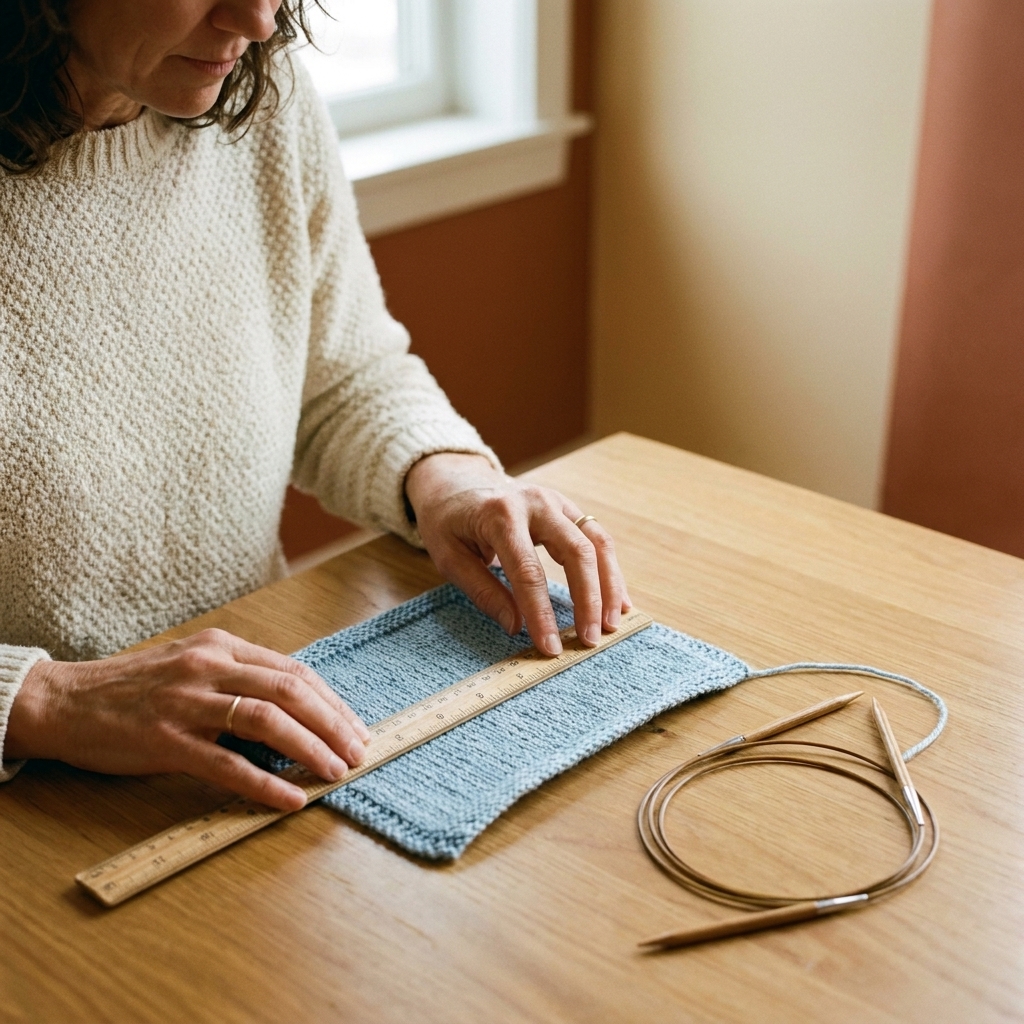
- Make a swatch bigger than 4 inches. Aim for at least 5 to 6 inches so edge stitches do not distort the measurement.
- Wash and dry it the way you will treat the finished item. This matters a lot for plant fibers and superwash wool.
- Measure stitches per 4 inches. Adjust hook or needle size until you match the pattern gauge.
If you match the pattern gauge, you can often swap fibers and brands safely even if the label “weight” feels slightly different.
Pick the fabric you want
If you are picking yarn first and choosing a pattern second, think about the fabric experience you want. Here are the big factors.
Drape vs structure
- For flowy drape: fingering, sport, or DK. Smooth fibers and blends can help the fabric fall.
- For structure: worsted and up, or tighter gauge. Cotton and linen also add structure even at lighter weights.
Warmth and layering
- Lightweight warmth: fingering or sport in wool.
- Cozy but wearable: DK or worsted.
- Maximum warmth: bulky or super bulky, especially for accessories and outer layers.
Stitch definition
- Best definition: smooth, tightly spun yarns in DK or worsted.
- Softer, blurrier look: singles, brushed yarns, and halo fibers.
Speed and stamina
Be honest with your hands and your schedule. A fingering-weight blanket is a commitment. A super bulky scarf is a weekend. Both are valid life choices.
Knitting vs crochet
Knitting and crochet use yarn thickness in similar ways, but the fabric structure changes the result.
Crochet often makes thicker fabric
In many common stitch patterns, crochet stitches stack and layer in a way that creates a denser fabric than knitting at the same yarn weight. That means:
- Crochet garments can feel less drapey in heavier weights.
- Crochet blankets in worsted or bulky can get heavy quickly.
- Choosing a lighter yarn weight can give crochet garments a more “store-bought” drape.
Knitting and gauge shifts
Because knit fabric stretches differently, small gauge differences can change the final size of a sweater more than you expect. Swatching is especially important for fit-focused knitting.
Substituting yarn weights
Sometimes your pattern calls for DK and your stash is shouting “worsted!” from the closet. You can substitute, but do it on purpose.
The safest method
If you can match the pattern gauge with a different yarn weight by changing needle or hook size, substitution can work. The big caveat is fabric feel: matching gauge with a much thicker or thinner yarn can change drape and density.
When going thicker usually works
- Accessories like hats and cowls, if you like the fabric
- Blankets, if you adjust total yardage and accept a different finished size
When going thicker is risky
- Garments with fitted shaping (armholes, set-in sleeves, tailored silhouettes)
- Textured patterns where stitch counts and spacing matter
Holding two strands together
Holding two strands together is a common trick. Two strands of fingering often land somewhere around sport to DK, and two strands of DK often land somewhere around worsted to bulky, but there is no universal rule. Fiber loft, halo, and construction can push the result up or down. Always swatch, and keep an eye on:
- Yardage needs (it adds up fast)
- Fabric thickness (it can become stiff)
- Color blending (gorgeous, but unpredictable)
If you want a neat shortcut: compare wraps per inch (WPI). Wrap the yarn around a ruler without pulling tight. More wraps = thinner yarn. WPI is not perfect, but it helps when labels are missing.
Quick picks by project
If you are standing at the pattern fork in the road, here is my cozy cheat sheet.
Socks
- Best weights: fingering (sock)
- Why: durable, not bulky in shoes
Shawls and wraps
- Best weights: lace, fingering, sport
- Why: beautiful drape and lightness
Sweaters and cardigans
- Best weights: DK, worsted (sometimes sport for lighter layers)
- Why: warmth without feeling like armor
Hats
- Best weights: DK or worsted
- Why: quick, warm, and great stitch definition
Scarves and cowls
- Best weights: DK, worsted, bulky
- Why: choose based on how chunky you want it
Blankets
- Best weights: DK or worsted for balanced drape, bulky for speed
- Why: lighter weights tend to be more usable and less back-breaking
Amigurumi
- Best weights: sport, DK, worsted
- Why: firm fabric with smaller hooks, easy control
Common confusion
Worsted vs aran
These terms overlap a lot in modern labeling. If your pattern is specific about gauge, trust the gauge. If it is vague, choose a yarn that lands comfortably in the pattern’s recommended needle or hook range and then swatch.
DK vs light worsted
Some brands call a thicker DK “light worsted.” If you are on the fence, compare yardage per 100g and look at the yarn in person if you can. Then, you guessed it, swatch.
Sport vs fingering
Sport is usually thicker than fingering, but not always by much. For fitted items like socks, stick to what the pattern asks for unless you plan to do math.
Regional terms and ply
If you shop internationally or read patterns from different countries, yarn naming gets extra spicy. US terms like “worsted” and “aran” do not always map neatly to UK and AU terms, and “4-ply” or “8-ply” can be especially confusing because it may refer to a traditional category rather than the literal number of plies in the yarn. When in doubt, fall back on gauge, yardage, and how the yarn behaves in a swatch.
Same weight, different look
A fluffy single-ply yarn can look thicker than a tightly spun yarn even if they are in the same category. That “fluff factor” can change stitch definition and gauge.
No label? Do this
Mystery skeins happen. If your yarn has no label (or the label is not helpful), you can still make an educated call:
- Try WPI: Wrap the yarn around a ruler and compare the number to a WPI chart as a starting point.
- Compare to a known yarn: Hold it next to a yarn you trust (DK next to DK, worsted next to worsted) and look at thickness and loft.
- Swatch and measure: Knit or crochet a small square, wash it, and measure stitches per 4 inches. That number will tell you more than any label ever could.
FAQ
Is yarn weight the same as ply?
Not necessarily. “Ply” is used differently across regions and brands. A yarn can be multiple plies and still be in a lighter weight category. When in doubt, go by gauge and yardage.
Can I use a different yarn weight than my pattern calls for?
Yes, but plan for changes in size, yardage, and fabric feel. For garments, the safest approach is to match gauge and choose a yarn that creates a fabric you actually like when you wear it.
How do I estimate yardage when substituting?
Use the pattern’s total yardage as your anchor, then buy enough skeins based on the new yarn’s yardage per skein. When substituting to a thicker yarn, you may use fewer yards, but it is not guaranteed. If you are between skeins, buy the extra if you can, especially for dye-lot sensitive projects.
What is the best yarn weight for beginners?
Worsted and DK are the friendliest for learning because you can see your stitches clearly without handling a super bulky rope. If you crochet and want a garment with nice drape, DK is especially lovely.
Next step
If yarn weights have ever made you feel like you need a secret decoder ring, I promise you do not. Pick a pattern you love, choose a yarn in the suggested weight, and swatch once. That tiny square of fabric is your preview of the future.
And if it helps, my own yarn stash has plenty of “mystery skeins” that seemed like a good idea at the time. We are all learning. The goal is cozy, not perfect.