Yarn substitution is one of those skills that feels like wizardry until you realize it is mostly three things: math you can handle, a swatch you can trust, and knowing which yarn traits actually matter for your project. I have absolutely made the “this looks close enough” swap before and then ended up with a hat that would fit a melon from the county fair. So let’s save you that particular form of character building.
This guide works for both knitting and crochet, whether you are swapping because the suggested yarn is discontinued, out of budget, itchy, or simply not your vibe. We are going to match gauge first, then confirm yardage, and finally sanity-check fiber and structure so your fabric behaves.
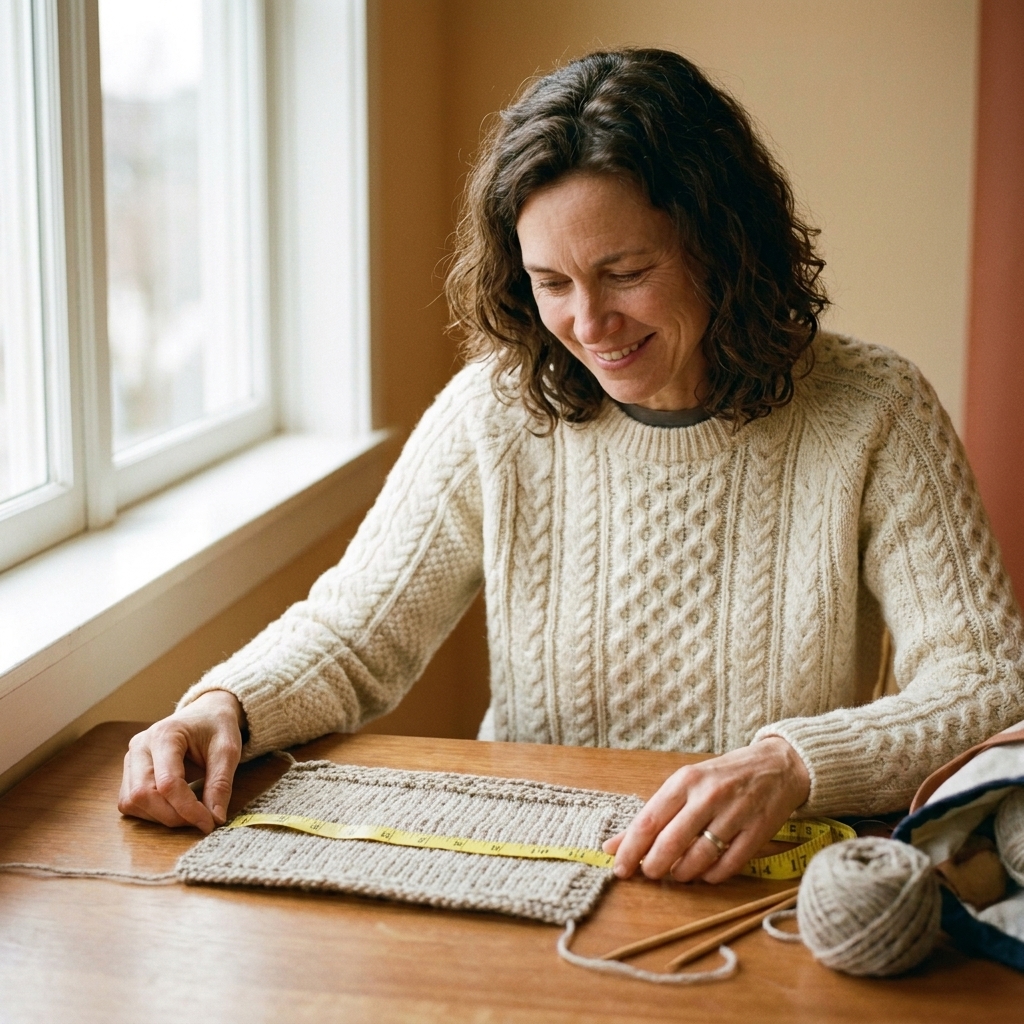
Before you swap: what you are really matching
Most patterns are built on assumptions about the fabric. When you substitute yarn, you are trying to match those assumptions closely enough that the design still works.
- Gauge: stitches and rows per 4 in/10 cm (or whatever measurement the pattern specifies). Gauge drives size.
- Yardage: how much you will need of your new yarn. Yardage drives how many skeins.
- Fiber behavior: elasticity, drape, warmth, washability, and halo. Fiber drives how it feels and moves.
- Yarn structure: ply, twist, woolen vs worsted-spun, smooth vs fuzzy. Structure drives stitch definition and how the fabric wears over time.
If you only take one thing from this article, let it be this: matching the labeled weight category is a starting point, not a plan. “Worsted” can be skinny-worsted or chunky-worsted, and those behave very differently.
Step 1: Read the pattern like a detective
Pull these details from the pattern (or the designer’s Ravelry listing if you have it):
- Recommended yarn brand and line
- Fiber content
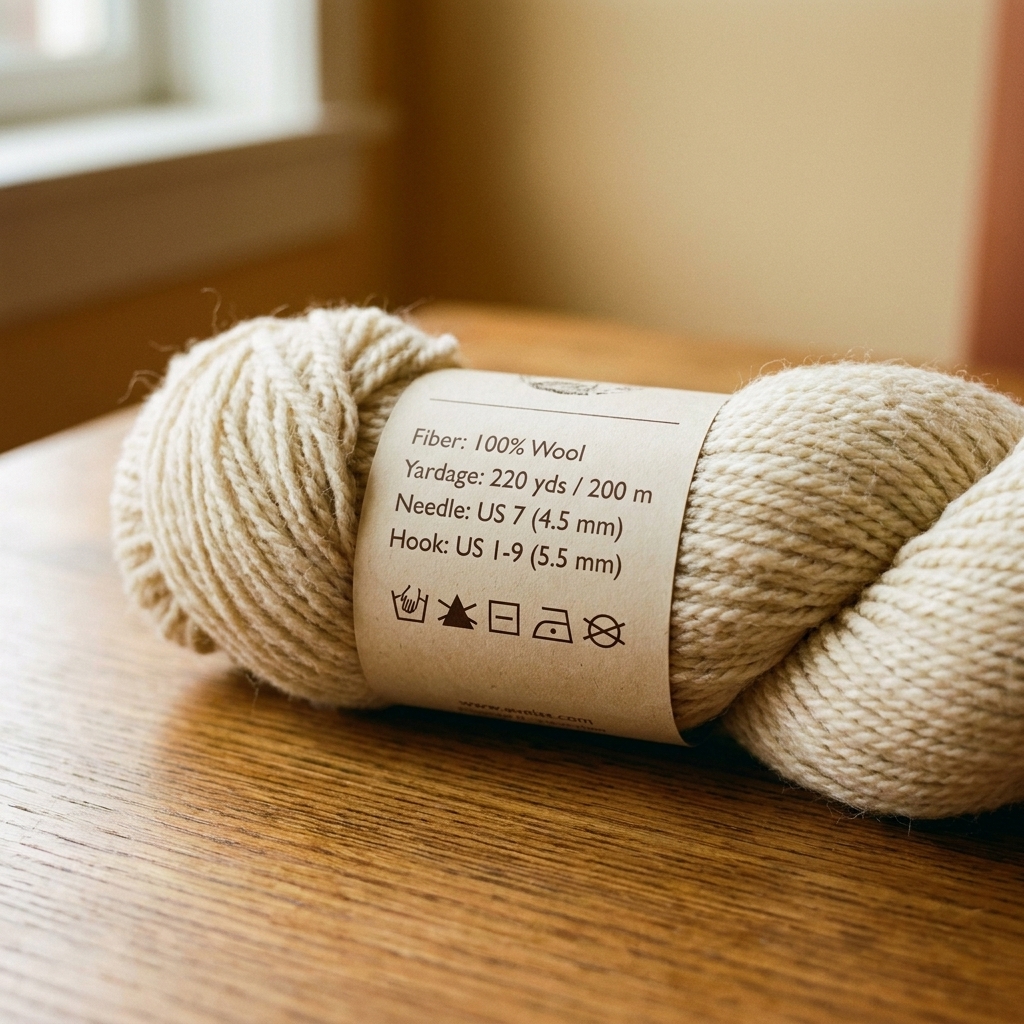
- Yardage and grams per skein
- Pattern gauge (stitches and rows) and the fabric measurement used (often 4 in or 10 cm)
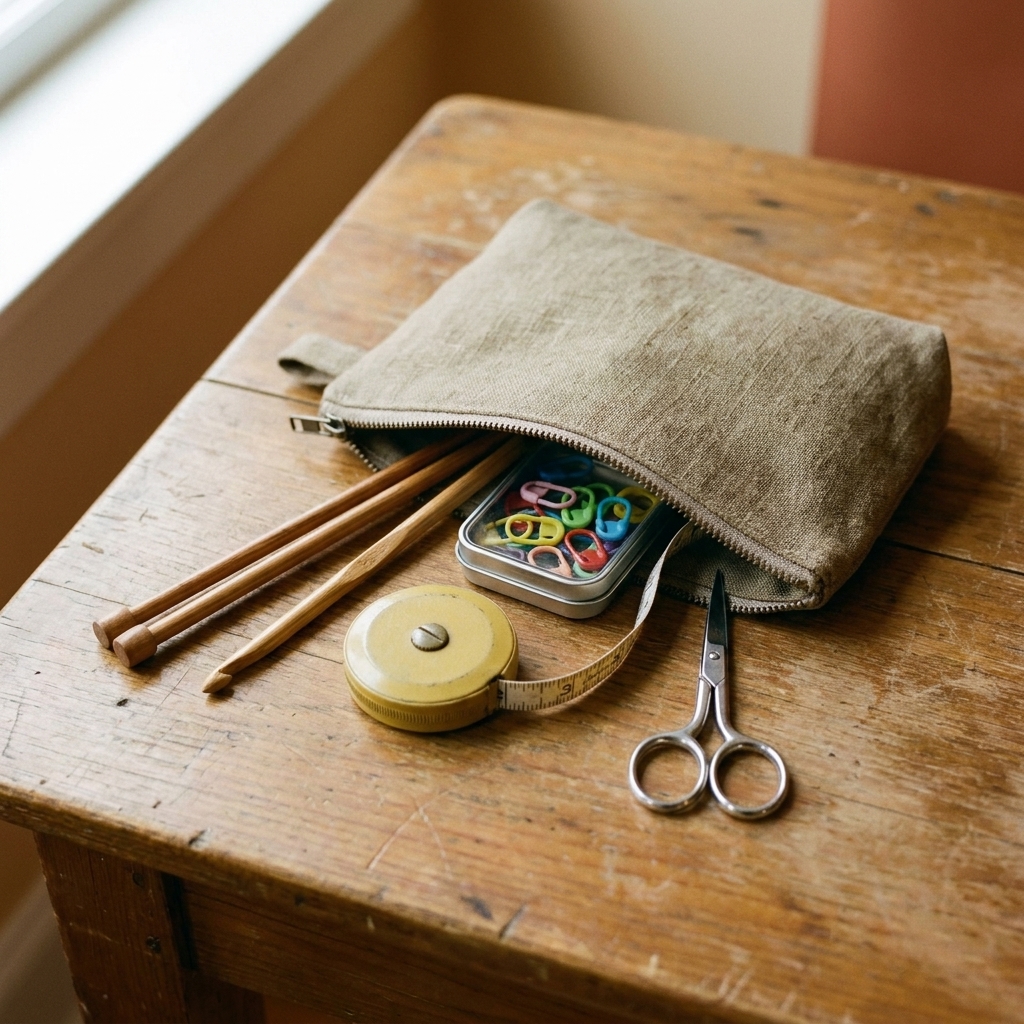
- Needle or hook size used to get gauge
- Fabric notes: “drapey,” “structured,” “with negative ease,” “block aggressively,” etc.
Units note: Patterns may list meters instead of yards. That is fine, just be consistent. Do all your math in one unit (all yards or all meters) so you do not accidentally buy “two skeins and a prayer.”
Fit clue: If the pattern uses negative ease (like many sweaters, hats, socks), fiber elasticity matters more. If it is a drapey tee or shawl, drape and grist (yards per 100 g) matter more.
Step 2: Pick a candidate yarn with quick filters
Filter A: Start with gauge range, not yarn label
Look at the pattern gauge and ask: what yarns can reasonably hit that stitch count with a sensible needle or hook? For example, if a knitting pattern wants around 18 sts per 4 in, you are often in the heavy DK to worsted to aran neighborhood, depending on the designer’s fabric density and the fiber. If it wants around 24 to 26 sts per 4 in, you are often in the DK to sport range, with 26 landing solidly sport (and sometimes edging toward fingering in some pattern ecosystems).
Filter B: Match fiber family when fit matters
A few safe-ish swaps:
- Wool to wool blend: usually easiest for garments because elasticity helps with fit.
- Alpaca-heavy swaps: expect more drape and growth, less bounce.
- Cotton/linen swaps: expect less elasticity, more weight, cooler wear, and a different kind of “hang.”
- Acrylic swaps: can work well for easy care, but may block differently and can feel warmer in some climates.
Filter C: Compare yards per 100 g
This is my favorite fast “is this even in the ballpark” check. If the pattern’s yarn is 200 yards per 100 g and your candidate is 110 yards per 100 g, your new yarn is much thicker or denser. You might still make it work, but you are not doing a simple swap anymore.
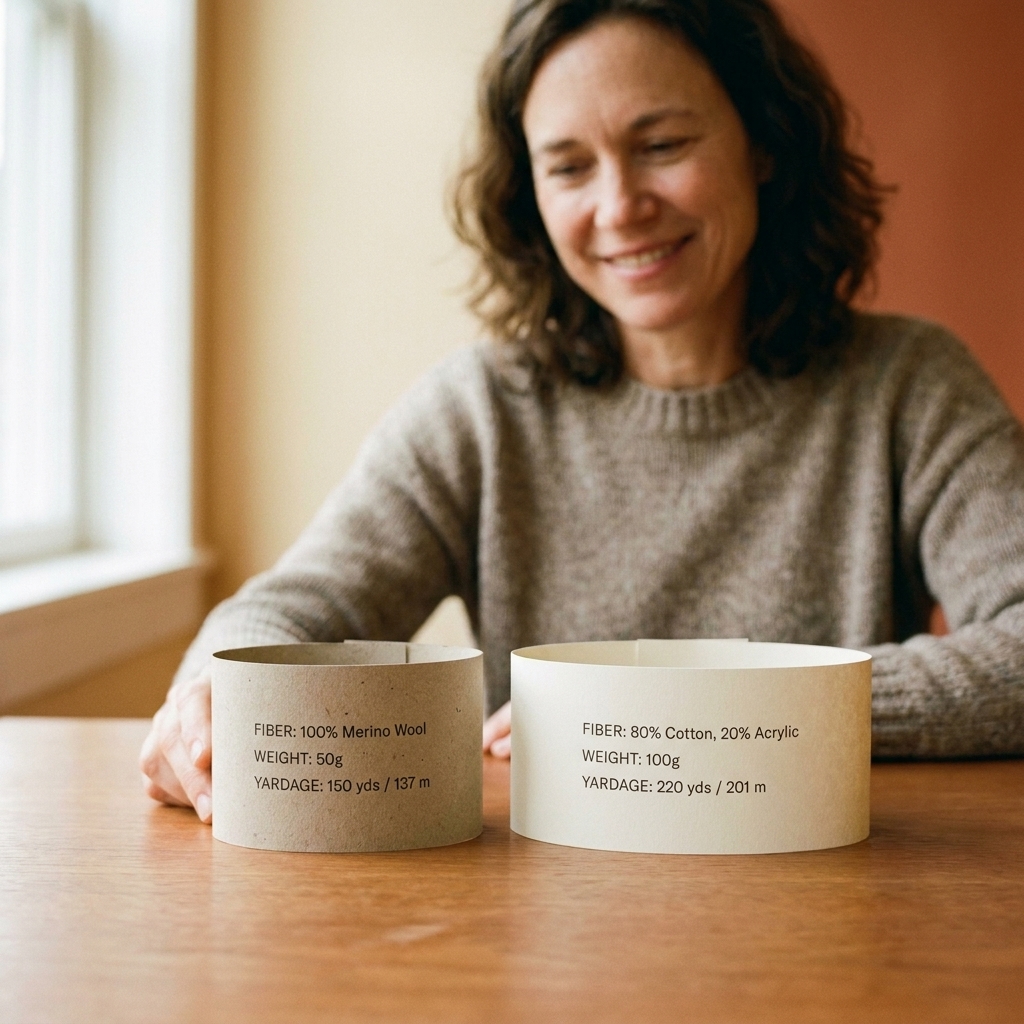
Step 3: Do the yardage math (without tears)
Once you have a candidate yarn, calculate how many skeins you need. Use the pattern’s total yardage if it is provided. If the pattern lists only “X skeins,” convert it to total yardage first.
Formula: skeins needed
(pattern total yards) ÷ (yards per skein of your new yarn) = skeins needed
Always round up to a whole skein.
A quick example
Say the pattern uses 1,200 yards total. Your substitute yarn is 220 yards per skein.
1,200 ÷ 220 = 5.45
You would buy 6 skeins. Then add your buffer if the project calls for it.
Add a buffer
- +10% buffer for fitted garments, cables, textured stitches, colorwork, or if you are between sizes
- +15% buffer for many crochet garments and blankets (crochet often uses more yarn than knitting for the same area, especially in denser stitches, though very open crochet lace can be surprisingly thrifty)
- +0 to 10% buffer for simple stockinette or straightforward crochet stitches if your gauge is spot-on and you are confident
Color note: If you are working with hand-dyed yarn, buy all skeins at once if you can. Dye lots can vary, and “alternating skeins” is not as scary as it sounds, but it is nicer when you do not have to.
Step 4: Swatch for substitution success
I know. Swatching is the vegetable of fiber arts. But when you are substituting yarn, swatching is what keeps your sweater from turning into a poncho or a crop top (unless that was the plan).
How to swatch for knitting
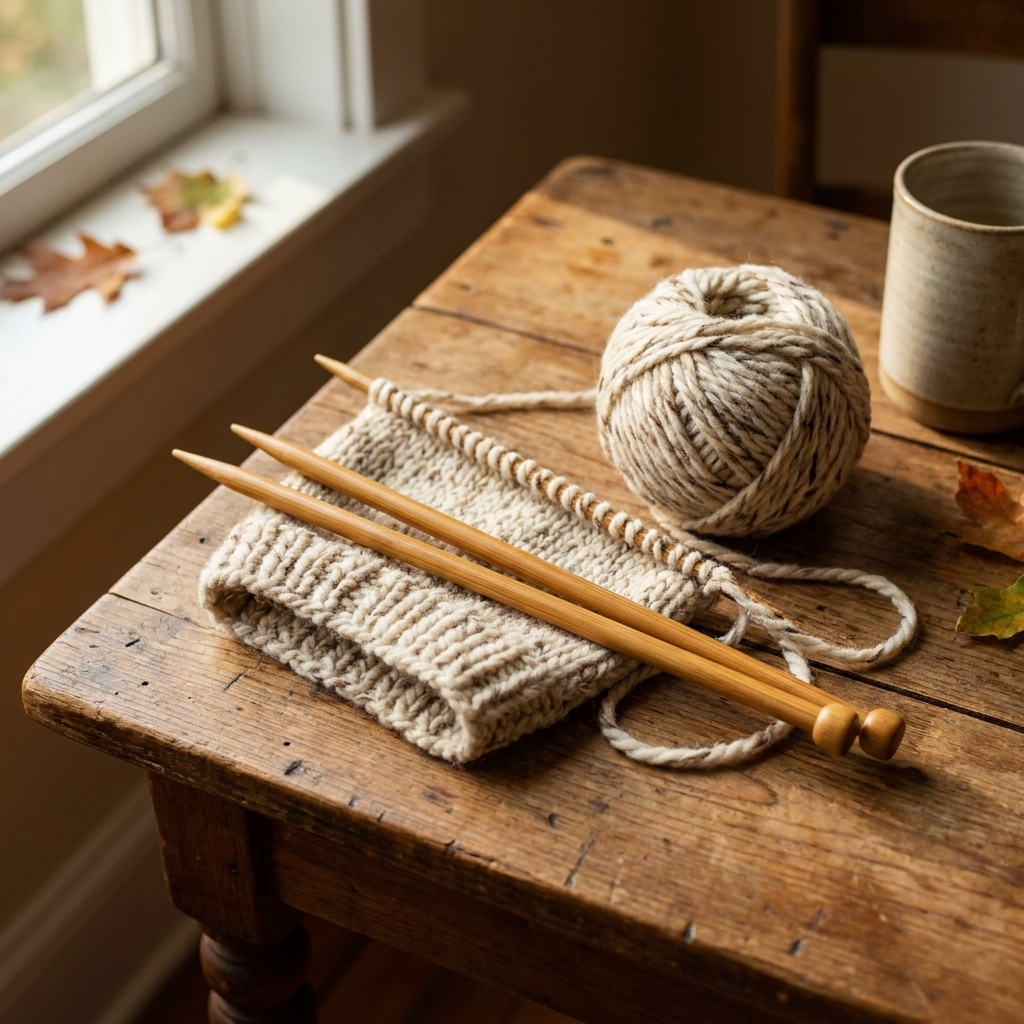
- Make a swatch at least 5 in by 5 in, bigger if the pattern is lacy or heavily textured.
- Use the stitch pattern the pattern gauge is given in (stockinette, lace pattern, etc.).
- Work flat or in the round depending on how the garment is constructed. If the project is knit in the round, your flat swatch might lie to you if your purl tension differs from your knit tension.
- Bind off, then wash and block the way you will treat the finished item.
How to swatch for crochet
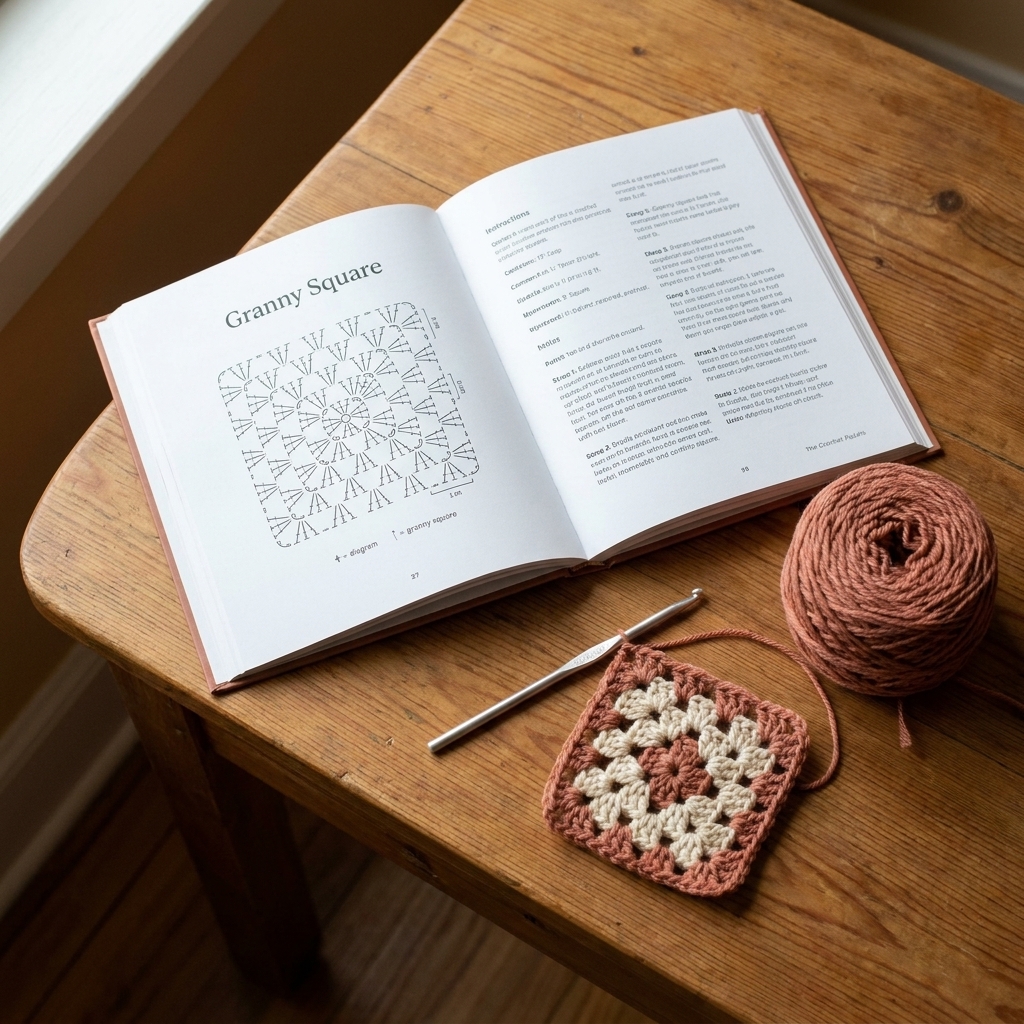
- Make a swatch at least 6 in by 6 in. Crochet gauge can vary more across the fabric, and edge stitches distort easily.
- Use the exact stitch pattern the gauge is based on (single crochet, granny stitch, moss stitch, etc.).
- Wash and block as you plan to for the finished piece, especially for plant fibers and superwash wool.
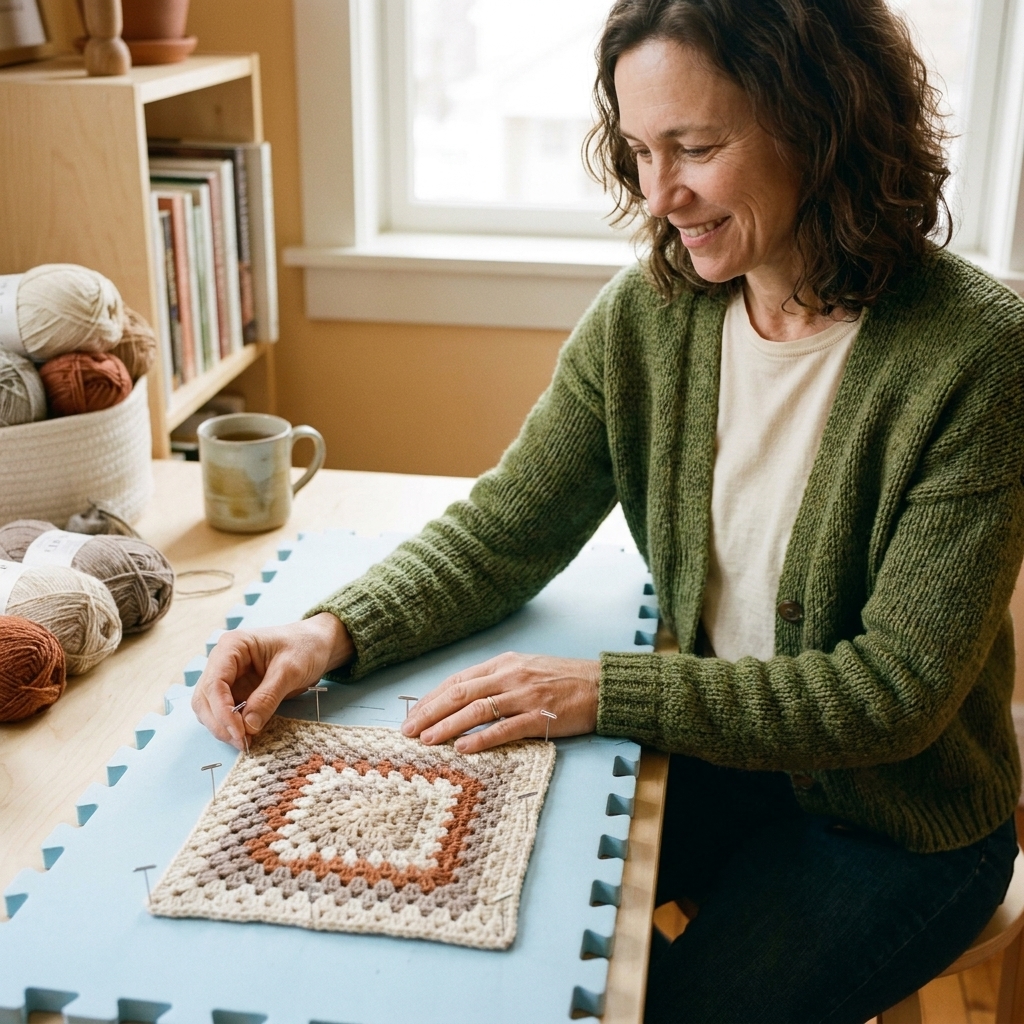
Step 5: Measure gauge the way designers mean it
Measuring gauge is simple, but there are two common traps: measuring too close to the edge and measuring before blocking.
What to measure
- Stitch gauge: count stitches across 4 in (or 10 cm) in the middle of the swatch.
- Row gauge: count rows over the same distance, also in the middle.
Pro tip: Place a ruler on top and count the stitches inside the measurement window. In knitting, count from stitch to stitch (the little V shapes) across exactly 4 in. In crochet, count stitch tops (the “V” on single crochet and many other stitches) or the pattern’s repeat units over the same distance. Either way, stay in the calm, undistorted middle of the swatch.
Why row gauge still matters
Many patterns let you “just knit to X inches,” so row gauge feels optional. But if the pattern has shaping that happens at set rows (like sleeve caps, armhole depth, crochet yoke increases), row gauge can affect fit and proportions. If you can only match one, match stitch gauge first, then check whether row gauge is close enough to work with the pattern instructions.
Step 6: Adjust needle or hook size, then reswatch
If your stitch gauge is off, do this:
- Too many stitches per 4 in (your fabric is too tight): go up a needle or hook size and reswatch.
- Too few stitches per 4 in (your fabric is too loose): go down a needle or hook size and reswatch.
Change one size at a time. Your future self will thank you when you are trying to remember what worked.
Reality check: If you have to change needle or hook size dramatically to hit gauge, your yarn might not be a great match. You can still proceed, but check fabric feel. A sweater knit on comically large needles to “make gauge” can look open and sloppy instead of cozy.
Step 7: Check fabric feel
Gauge tells you size. Fabric tests tell you whether you will actually like wearing it.
Try these quick checks
- Drape test: hold the swatch from one corner and see how it hangs. Does it match the vibe of the pattern photos?
- Stretch and recovery: gently stretch the swatch widthwise and let go. Does it bounce back (wooly) or stay relaxed (alpaca, cotton, some superwash)?
- Light test: hold it up to a window. Too see-through for the garment?
- Texture test: do cables pop? Do lace holes open nicely after blocking? Does the crochet stitch pattern look crisp or fuzzy?
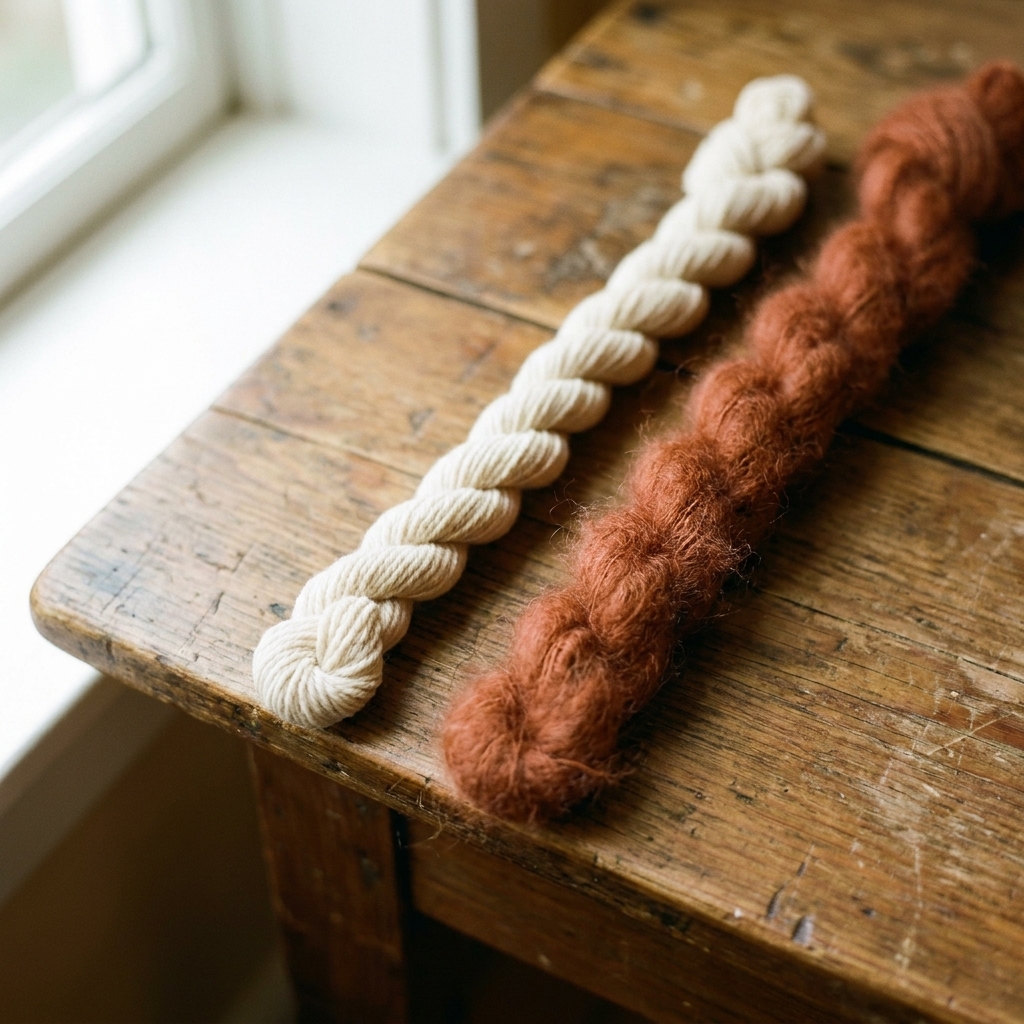
If the pattern depends on crisp texture and your substitute yarn is very fuzzy or haloed (hello, mohair), the design details may disappear. Sometimes that is dreamy. Sometimes it is heartbreaking. Swatches tell the truth.
Fiber traits that make or break a swap
Elasticity (bounce)
Wool tends to be springy, which helps garments keep their shape. Plant fibers have less bounce. Alpaca can drape and grow. For ribbing-heavy pieces (hats, cuffs, necklines), elasticity matters a lot.
Superwash vs non-superwash wool
Superwash wool often can grow more after washing and can feel drapier, but it depends on the base, ply, and how it is knit or crocheted. Non-superwash can bloom and grip, which is lovely for colorwork and structured fabrics. Swatch, wash, measure, and then decide.
Weight and warmth
Two yarns can both be “worsted” but one can be denser and heavier. A dense yarn can make a cardigan feel like a weighted blanket. That might be a feature, but it is good to know in advance.
Halo
Yarns with halo (like mohair blends or some woolen-spun yarns) can soften stitch definition and slightly fill in gaps. This can help even out wonky tension, which I say as someone who has benefited from that little bit of fuzzy mercy.
Yarn structure clues
You do not need to become a yarn scientist, but a couple quick observations help you choose well.
- High twist yarns: often give great stitch definition and durability, especially for socks and textured knits.
- Single-ply yarns: can look gorgeous and lofty, but may pill more and can wear faster at friction points.
- Woolen-spun: airy, warm, and blooms nicely. Great for colorwork and lightweight warmth.
- Worsted-spun: smoother and denser, often with sharper stitch definition. Drape can vary widely based on fiber, grist, and needle size, so treat “drape” as a swatch test, not a promise.
Common swap situations
“I have stash yarn, can I use it?”
Maybe, and I support stash adventures wholeheartedly. Do this:
- Check yards per 100 g against the pattern yarn
- Swatch and block
- Make sure the fabric matches the pattern’s intent (drape, density)
If you cannot match gauge without making a fabric you dislike, choose a different pattern for that yarn. This is not a failure. This is you being wise.
Swapping for a different fiber
Plan for behavior changes:
- Plant fibers: less stretch, more drape, heavier fabric
- Acrylic: different feel and heat retention, blocking may be more limited depending on the fiber blend
- Alpaca: drape and growth, watch garment length
In these swaps, gauge is necessary but not sufficient. Your swatch is your test drive.
Subbing for colorwork
Colorwork is extra sensitive to yarn choice. A yarn that is too inelastic can make stranded sections pucker, and a yarn that is much thicker or loftier can change fabric density fast. If the pattern photos show crisp motifs, prioritize a yarn with good stitch definition and enough “grip” to help floats behave, then swatch the colorwork pattern, not just plain stockinette. Bonus: your swatch also helps you check color dominance and contrast in real life.
Subbing for crochet garments
Crochet fabric is generally thicker than knitting at the same gauge, so fiber choice affects comfort a lot. If you are making a crochet sweater, consider lighter options like cotton blends, wool blends with good loft, or yarns with a bit of give.
Troubleshooting
Your stitch gauge matches, row gauge is off
This is common.
- If the pattern says “work to X inches,” you are usually fine.
- If shaping is written in rows, you may need to translate instructions by measuring length instead of counting rows.
You only match gauge at a tool size that makes ugly fabric
That is your sign to pick a different substitute yarn. Hitting gauge is not worth it if you hate the fabric.
Your swatch changes size after washing
Welcome to why we wash swatches.
- If it grows: consider going down a needle or hook size, or choose a bouncier yarn.
- If it shrinks or felts: confirm the fiber care requirements and be honest about how you will launder the finished item.
Yarn substitution checklist
- Find the pattern gauge and yarn details
- Pick a candidate yarn by gauge range and yards per 100 g
- Calculate skeins needed using total yardage (or meters)
- Swatch big enough, in the right stitch pattern
- Wash and block the swatch
- Measure stitch and row gauge in the center
- Adjust needle or hook size and reswatch if needed
- Confirm drape and elasticity match the project goal
If you do these steps, you will be able to substitute yarn confidently, even when the pattern yarn is unavailable. And if you are still nervous, remember: every great maker has a bin of “learning experiences.” Mine is labeled “totally planned experiments,” which is a lie, but it makes me laugh.
FAQ
Is it okay if my gauge is off by a little?
For fitted garments, even one stitch off per 4 inches can change the final circumference noticeably. For scarves and shawls, you have more wiggle room. When in doubt, match stitch gauge as closely as you can and use your blocked swatch measurements to predict size changes.
Do I need to match both stitch and row gauge?
Match stitch gauge first. Row gauge matters most when the pattern uses row-based shaping. If you cannot match both, you can often follow length measurements instead of row counts.
Can I substitute a lighter or heavier weight yarn on purpose?
You can, but that is a redesign, not a straight substitution. Expect to change needle or hook size, finished measurements, yardage needs, and sometimes stitch counts. If you want to do it, start with a generous swatch and be ready to do a little math.
Why does crochet use more yarn than knitting?
Crochet stitches often build a thicker fabric with more yarn per square inch, especially in dense stitch patterns. But there are exceptions: very open crochet lace can use less yarn than you might expect, and dense knit textures can be surprisingly yarn-hungry, too.