If you have ever gotten halfway up a sweater body and thought, “Why does this suddenly look… slightly more green?” you have met the mighty power of the dye lot. The good news: dye lots are totally manageable once you know what to look for. The even better news: if you already bought mismatched lots, you can usually rescue the project with a few calm, practical tricks.
Let’s walk through what dye lots are, how to buy yarn so your fabric stays consistent, and how to blend small differences so your finished piece looks intentional rather than accidental.
What dye lots are
A dye lot is a batch of yarn dyed at the same time, using the same dye process. Even when manufacturers follow the same recipe, tiny variables can shift the final color. Think water minerals, temperature, dye concentration, drying time, or even how the yarn was wound and exposed to air during drying.
Those tiny shifts may be invisible when the skeins are sitting in a pile. But once you knit or crochet a big uninterrupted area, the human eye is very good at spotting bands and blocks of slightly different color.
When differences show up most
- Large, flat sections like sweater bodies, blanket panels, and simple scarves.
- Smooth stitch patterns like stockinette, single crochet, and half double crochet where the surface is even.
- Solid and semi-solid colors where there is not much natural variation to camouflage shifts.
Highly variegated yarn can hide a lot, but it can also amplify mismatch if the overall “vibe” changes between lots. If one batch leans warmer or darker, you can still see it.
How to match dye lots
This is the part that feels fussy in the yarn store and then feels deeply heroic at home.
Step 1: Find the dye lot
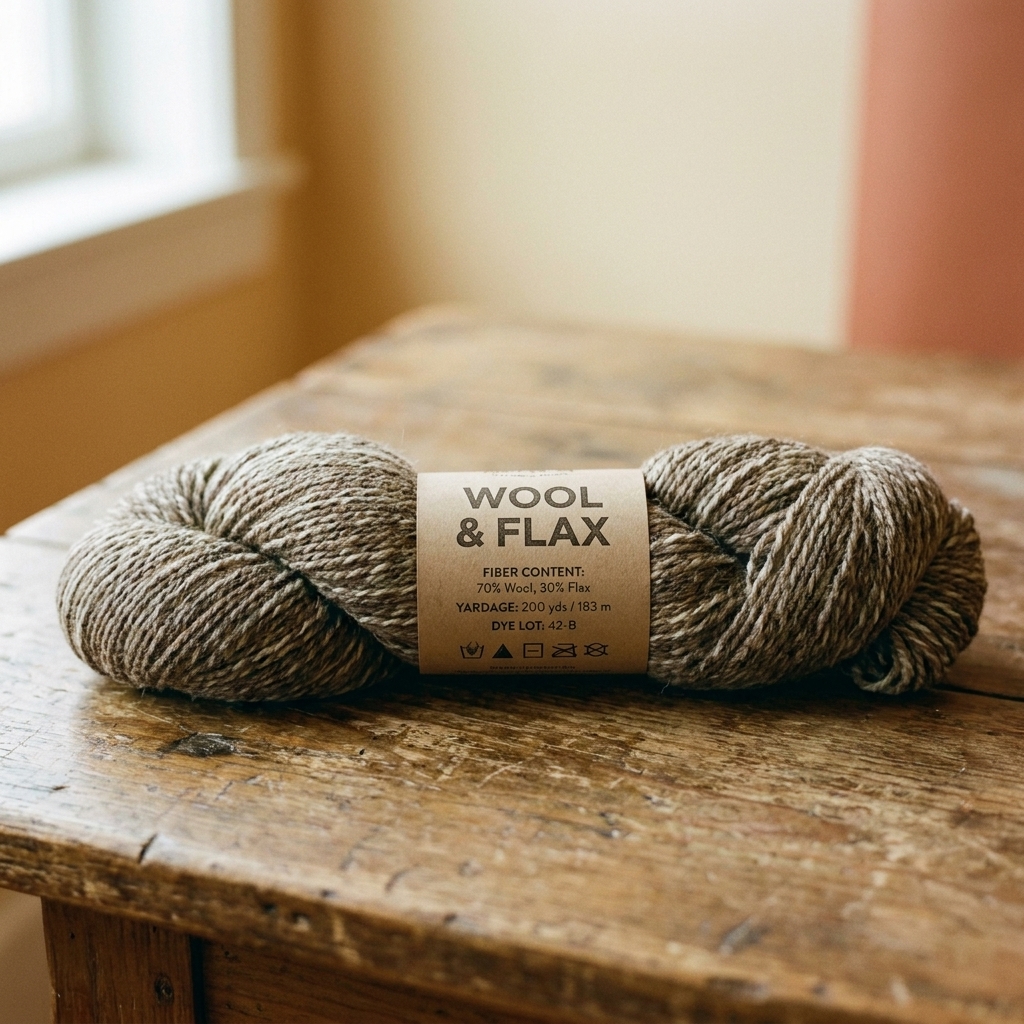
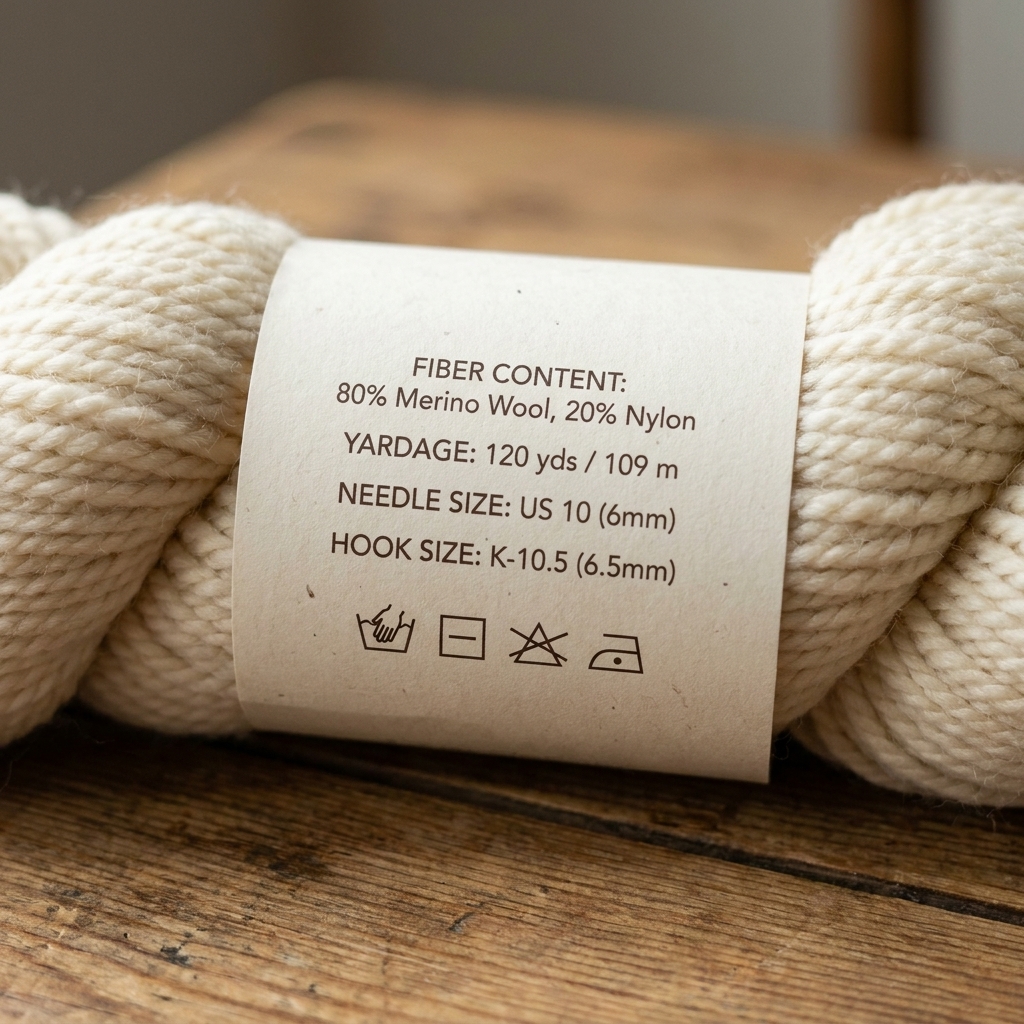
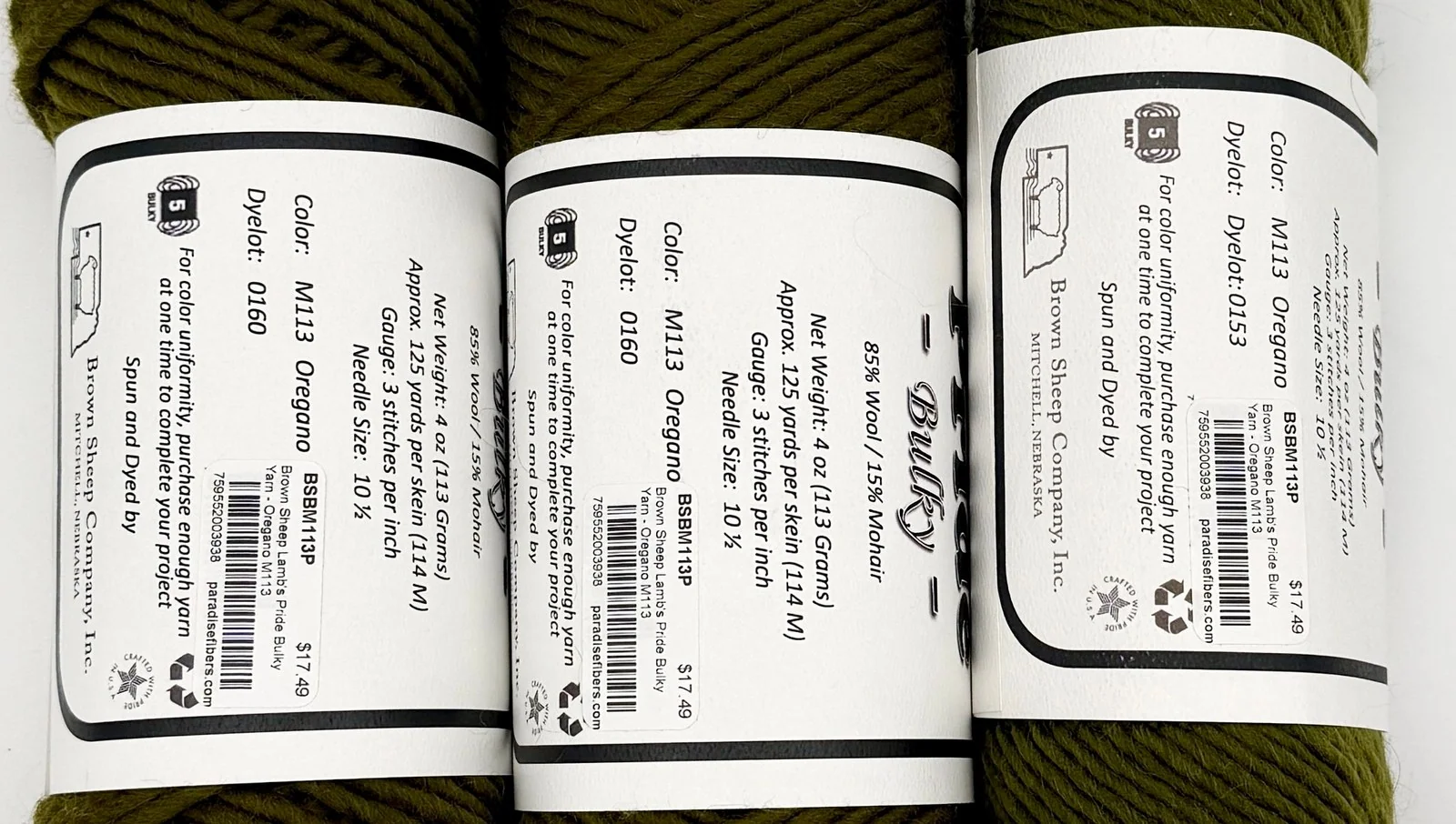
Many commercial yarn labels print a dye lot number, sometimes labeled as Dye Lot, Lot, or Dyelot. Some brands also include a separate “batch” code. For color consistency, the dye lot number is your best friend. If there is no dye lot listed, treat it like hand-dyed or small-batch yarn and plan to do a quick visual check and consider alternating skeins for larger projects.
Step 2: Match lot numbers exactly
If you want a uniform fabric, treat dye lot matching as an all-or-nothing game. If you need six skeins, all six should share the same lot number.
Step 3: Compare the skeins
Labels can get mixed up, rarely, but it can happen. Before you head to the register, line up the skeins and look at the yarn through the outside of the twist. You are looking for overall tone: warmer versus cooler, lighter versus darker, more saturated versus more muted.
Step 4: Ask for backstock
If the shelf has only three skeins from a matching lot and you need five, ask if there is more in the same lot in the back. Many shops keep extra inventory tucked away.
Step 5: Ordering online
When ordering from a yarn shop website, add a note like: “Please send all skeins from the same dye lot if possible.” Most reputable shops will do their best and will contact you if they cannot.
How many extra skeins
I am a big fan of buying what you need plus a little cushion. Not because I want to enable anyone’s yarn stash. Mine is already auditioning for a reality show. But because running short in a different dye lot is one of the most common ways color banding happens.
A practical allowance
- If your pattern calls for 1 to 3 skeins: consider buying one extra if you can afford it and the yarn is likely to sell out.
- If your pattern calls for 4 to 8 skeins: an extra one skein is usually a good safety margin.
- If your pattern calls for 9+ skeins: consider one extra skein, or two if the project is long-term and the yarn is seasonal or frequently discontinued.
Your best guide is your own making style. If you often lengthen sleeves, add body length, or prefer generous necklines, build that into your purchase up front. It is much easier to return an unused skein (if the shop allows) than it is to find a matching lot three months later.
Keep labels with the project
Keep your receipt and at least one label. Better yet, keep all the ball bands until the project is finished. Once yarn is wound into cakes, it is very easy to forget which is which, and dye lot numbers have a way of disappearing right when you need them most.
Check color in daylight
Indoor lighting can lie to you. Warm shop lights can make yarn look creamier and more golden. Cool LEDs can make yarn look grayer or bluer. The quickest way to catch a mismatch is a simple daylight check.
Daylight routine
- Near a window is great. Outside shade is even better if you have it.
- Hold skeins next to each other and rotate them slowly. Look for a shift in undertone.
- Check an inner strand if you can. If it is a center-pull skein or cake, pull a bit from the center and compare that strand too. Sometimes the outer layer looks similar but the core reveals the true tone.
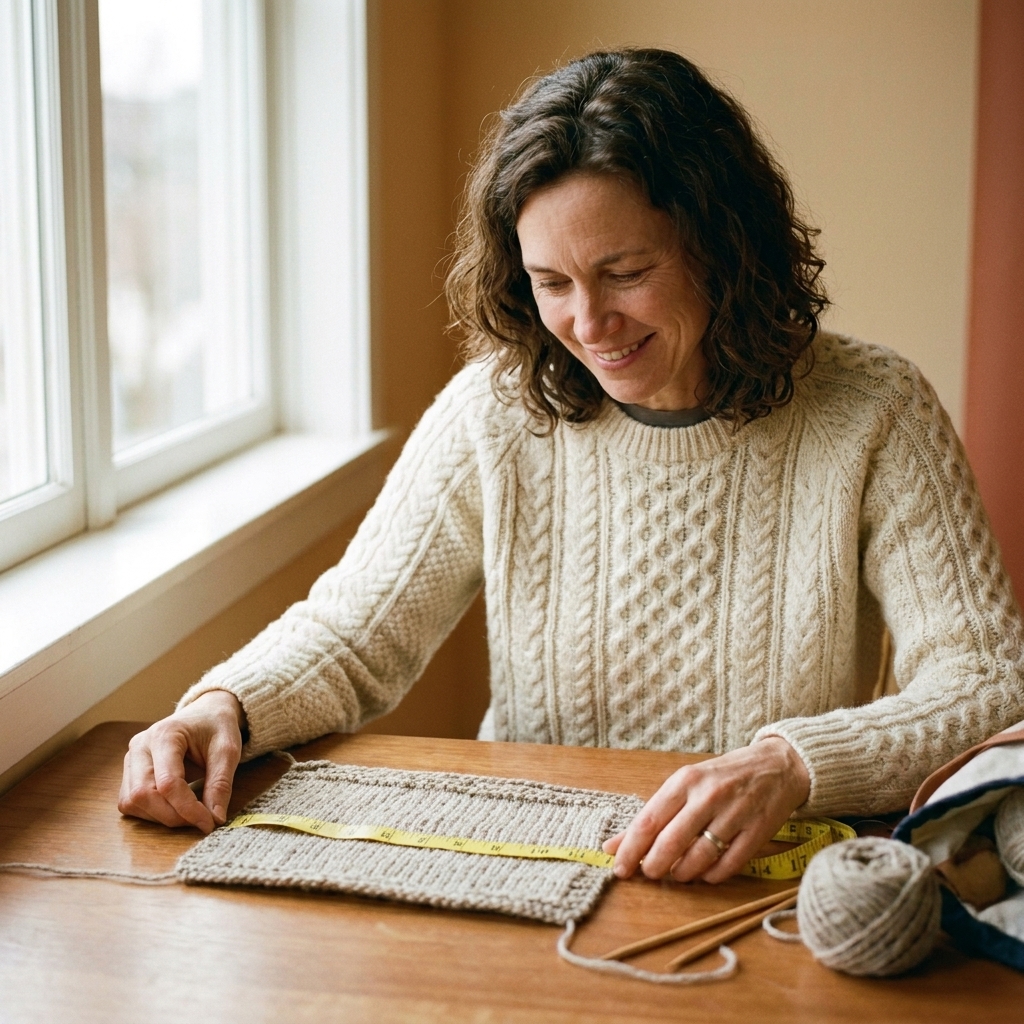
If you are already home, unwind a few yards from each skein and lay the strands side by side in daylight. If you can see the difference as strands, you will definitely see it as fabric.
Blend different dye lots
Sometimes you cannot avoid mismatched lots. Maybe you are finishing a long-term project. Maybe the yarn was gifted. Maybe the shop only had one last skein and your brain said, “We can make it work,” before your spreadsheet could intervene. You still have options.
Option 1: Alternate skeins
Alternating skeins is one of the most reliable ways to blend two dye lots in knitting and crochet.
- Knitting flat: Work one row with Skein A, next row with Skein B, repeating. Carry the unused yarn up the edge if the edge will be hidden in a seam or edging. If the edge will stay visible, it is often cleaner to cut and rejoin.
- Knitting in the round: Work one round with A, next round with B. To avoid a visible spiral effect, switch yarns at a slightly different point each time, such as a few stitches before or after your marker.
- Crochet in rows: Work one row with A, next row with B. If carrying up the side will show, cut and rejoin, or plan an edging later to cover it.
- Crochet in continuous rounds: Alternate every round, and shift your changeover point occasionally so the transition is not stacked in one spot.
The goal is to scatter the difference so the eye reads it as gentle depth rather than a hard line.
Option 2: Alternate every two rows
If alternating every single row makes you feel like you are juggling spaghetti, alternate every two rows. It blends slightly less than every row, but it often still prevents a noticeable band.
Option 3: Blend across 3+ skeins
If you have three or more skeins with slight variation (or a hand-dyed sweater quantity that is not perfectly identical), you can blend across all of them:
- Rotate through skeins in a steady order (A, B, C, then back to A).
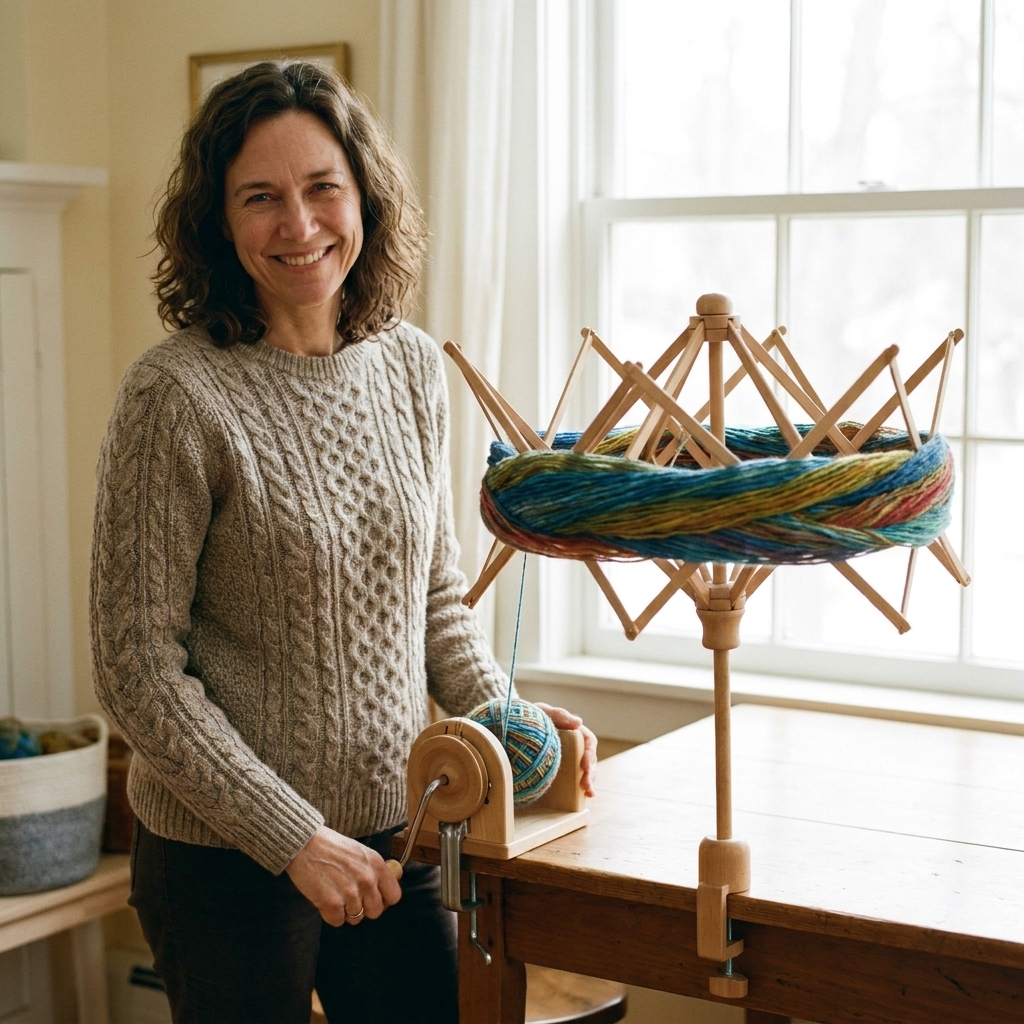
- Keep each cake clearly labeled so you do not accidentally turn “planned rotation” into “mystery yarn roulette.”
This approach evens out small differences and can make the final fabric look beautifully cohesive.
Option 4: Place changes on purpose
If the lots are noticeably different, blending may not fully hide it. In that case, plan the shift where a line makes sense:
- At a waist shaping change or underarm join.
- Right before a ribbing section or a textured panel.
- At a colorwork break if you have one.
- On the back of the sweater rather than the front, if you must choose.
A handmade garment is allowed to have personality. We are aiming for polished, not factory-perfect.
When a lot is gone
Discontinued lots happen to the best of us, usually right when we are feeling smug about our progress.
Step 1: Confirm the details
- Color name and color number
- Dye lot number
- Fiber line and put-up (the exact yarn base and skein size)
Even within the same brand, different bases can dye up differently. Make sure you are searching for the exact yarn, not just “a similar blue.”
Step 2: Ask the shop to hunt
If you bought from a local shop, ask if they can search their system or reach out to partner stores. Many shop owners are absolute treasure-hunting wizards.
Step 3: Buy the closest and blend
If the original lot is truly gone, buy the closest available lot and plan a transition zone.
A strategy I like:
- Blend zone: Work 6 to 12 rows or rounds alternating old and new skeins.
- Then continue: Switch to only the new lot after the blend zone.
This creates a gentle fade rather than a hard border.
Step 4: Make it a feature
If the new lot is dramatically different, consider turning it into a feature instead of a flaw.
- Add a contrast hem or cuffs in the new lot.
- Make pockets, a neckband, or a stripe with the new lot so it looks planned.
- If you are working a blanket, use the new lot as a border.
It is not cheating. It is creative problem-solving. Also, it is an excellent excuse to tell people, “Yes, I designed it that way,” which is one of my favorite hobbies.
Quick checklist
- Match dye lot numbers when you want a uniform fabric.
- Buy an extra skein when practical, especially for garments.
- Do a daylight check before you wind everything.
- Keep labels with your project until it is finished.
- If lots differ, alternate skeins to blend.
FAQ
Do dye lots matter for small projects?
Sometimes. For a hat or mittens, you may never notice. But if the project uses two skeins and the lots differ, you can still get a visible change right at the join. If it is a gift or a high-wear item you want to look polished, matching is still worth it.
What about hand-dyed yarn?
Hand-dyed yarn often has more variation by nature, even within the same “colorway.” Some dyers label lots, others do not. If you are buying multiple skeins, ask for skeins dyed together when possible, and consider alternating skeins as standard practice for sweaters.
If my lots match, should I still alternate skeins?
Optional, but helpful for hand-dyed and tonal yarns. Even within one lot, skeins can vary slightly. Alternating can create a beautifully even fabric, especially in large areas.
Can I fix dye lot striping after I have already knit it?
If the difference is mild, blocking can sometimes soften the contrast, but it usually will not erase it. The more reliable fix is to frog back to before the color change and rework that section alternating skeins. It is not the most fun afternoon, but it works.