If you are brand new to knitting or crochet, the biggest hurdle is not talent. It is picking a first project that is actually beginner-friendly, stays interesting past row ten, and does not turn into a month-long “learning experience” living in the bottom of a tote bag.
So here is my favorite kind of list: quick wins. These are ten simple projects you can realistically start and finish in a single weekend (timing varies by yarn, stitch, and how brand new you are), with just enough repetition to build muscle memory and just enough payoff to make you feel like a wizard.
Before you pick a project
Two tiny choices make beginner projects feel ten times easier:
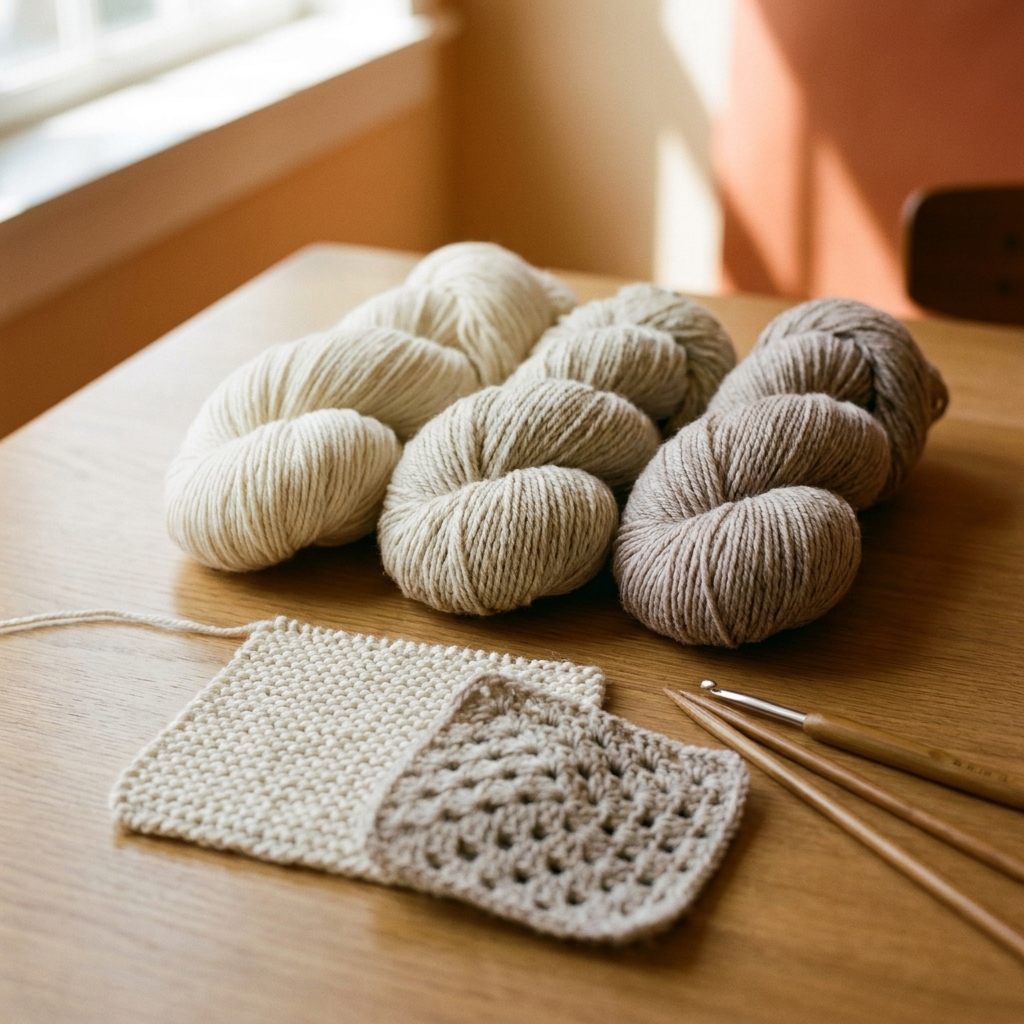
- Choose a smooth, light or medium colored yarn. It is easier to see your stitches. Fuzzy yarn is lovely, but it can hide what your hands are doing.
- Go a little thicker than you think. Worsted weight or bulky works up fast and is forgiving while you learn tension.
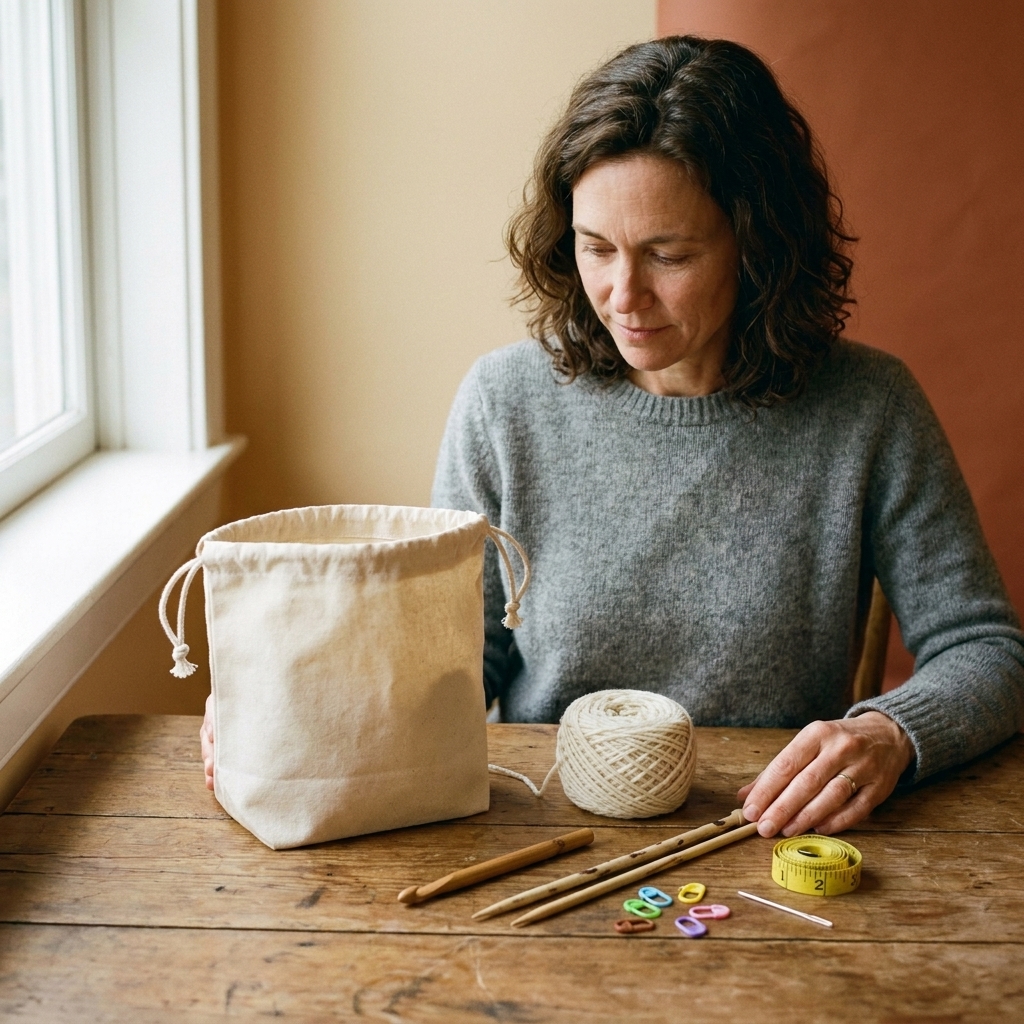
Starter tools (keep it simple)
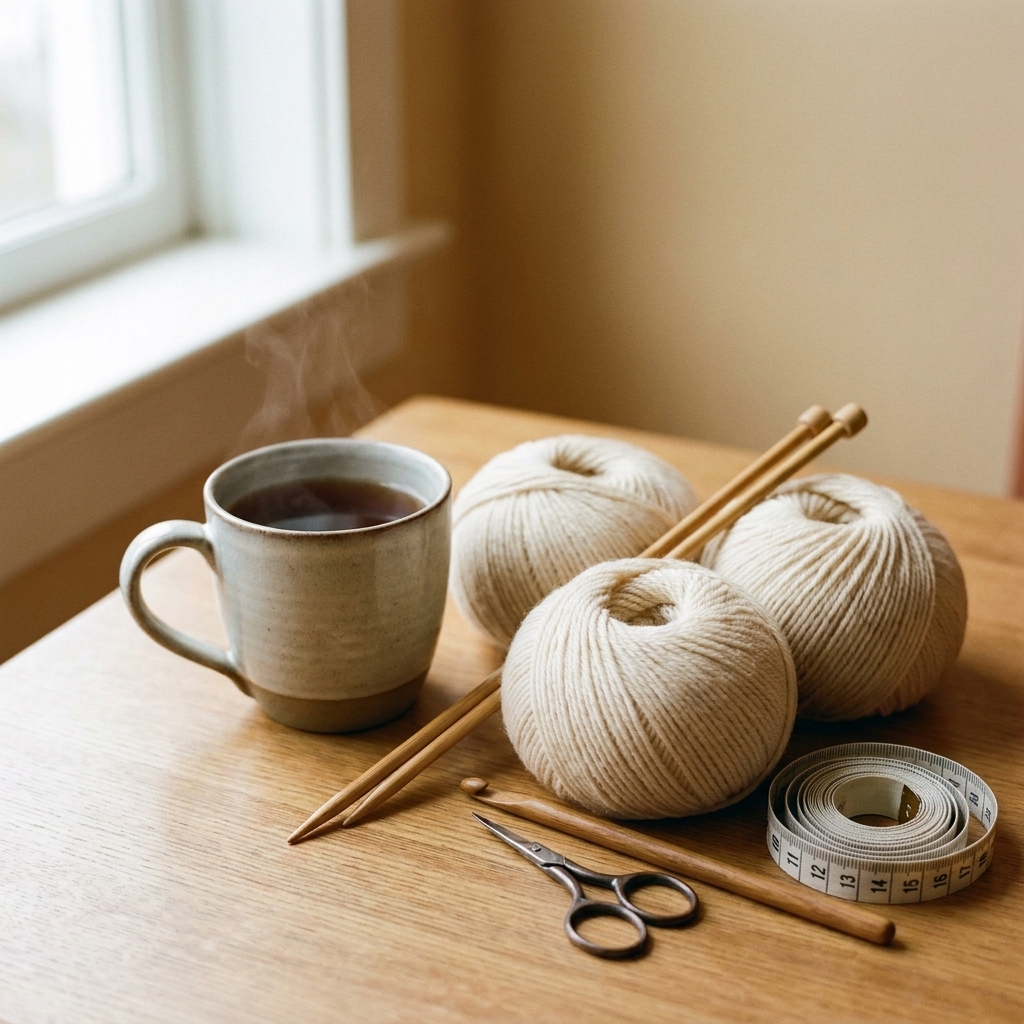
- For knitting: one pair of straight needles or a circular needle (24 to 32 inches is comfy for flat projects; 16 inches is great for hats), size US 8 to US 11 (5 to 8 mm), plus a tapestry needle.
- For crochet: one hook size H/8 (5.0 mm) to J/10 (6.0 mm), plus a tapestry needle.
- For both: scissors and a measuring tape. Stitch markers are nice but not required.
And one more thing, from a former elementary school teacher with a truly heroic yarn stash: pick a project that makes you want to come back to it. The “best” first project is the one you will actually finish.
1) Simple washcloth (knit or crochet)
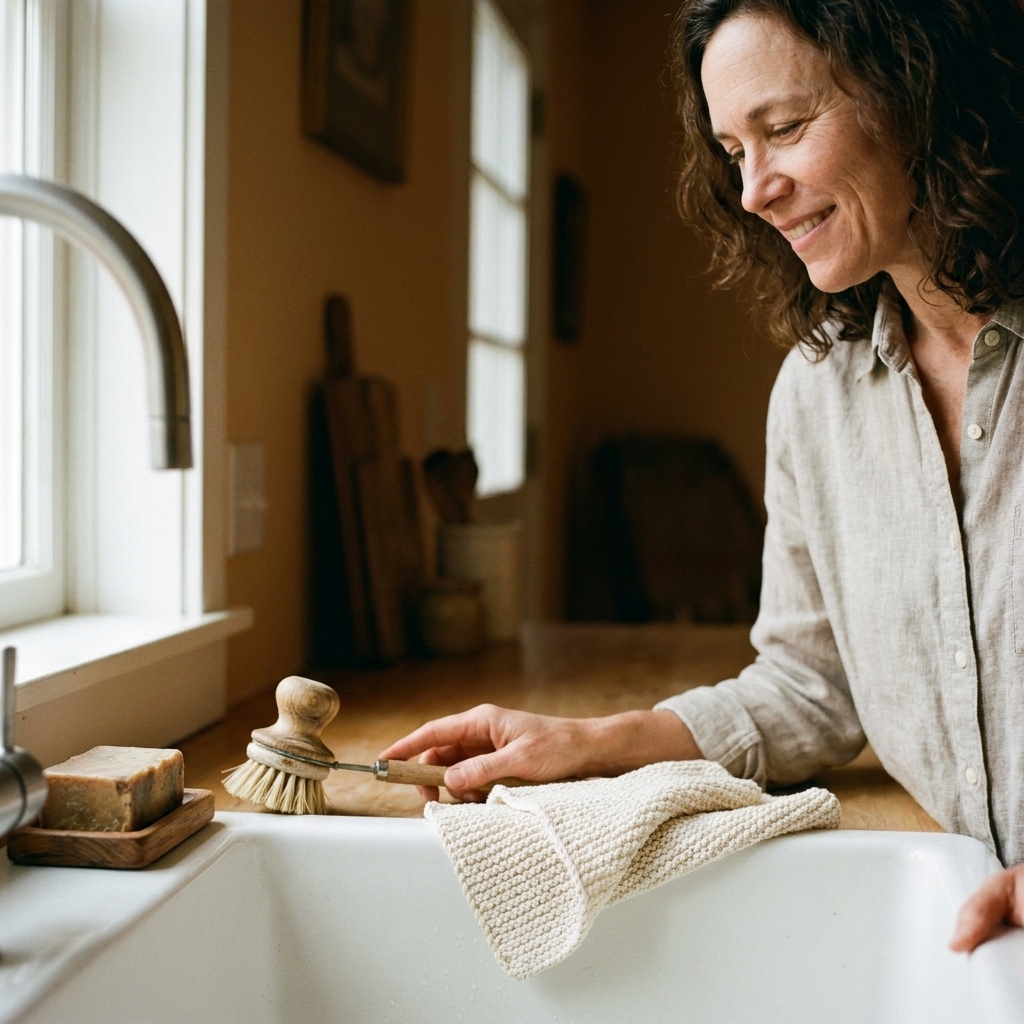
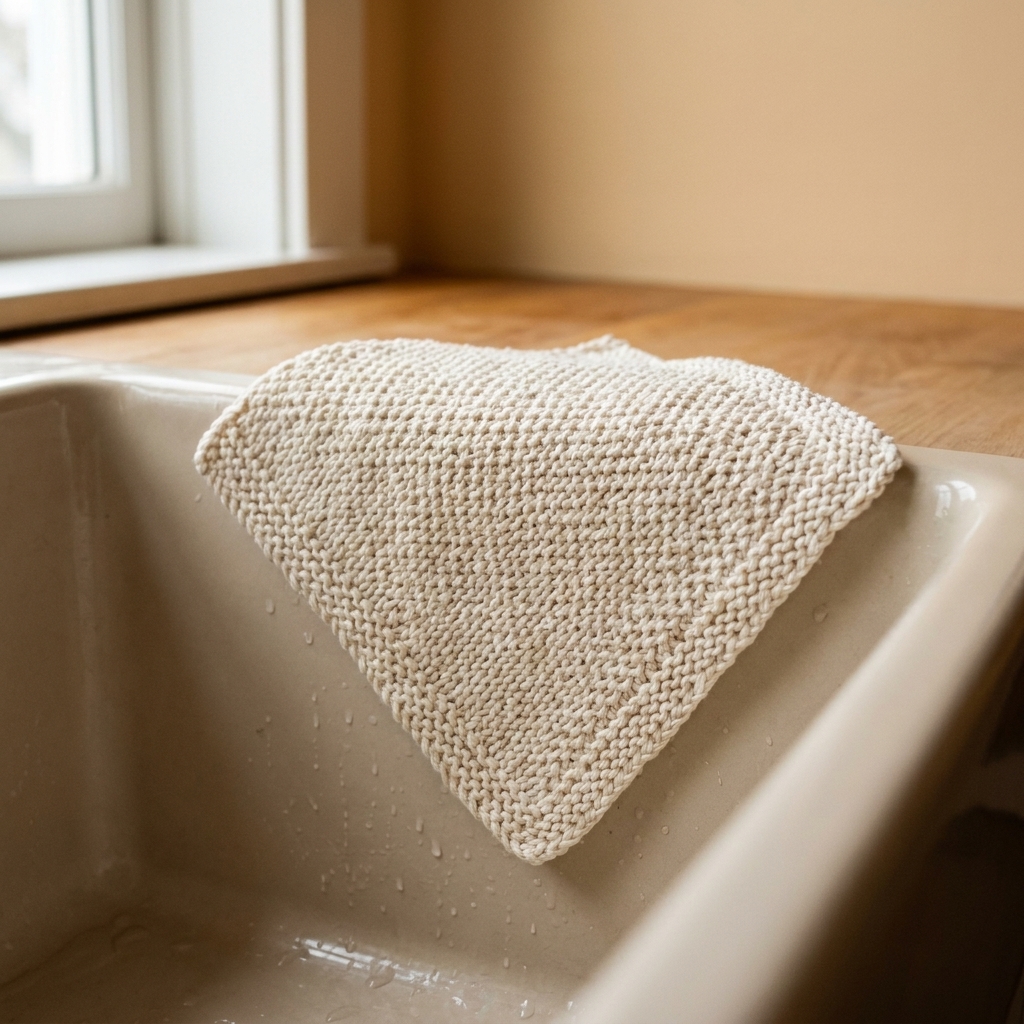
If I could assign everyone a first project like it was homework, it would be a washcloth. Small, practical, and perfect for practicing neat edges.
Why it is great
- Fast finish for many beginners, often a few hours
- Mistakes do not matter because it is going to get wet and scrub dishes anyway
- Teaches basic tension and consistent stitch size
Skills you will practice
- Knit: knit stitch (garter stitch), counting rows
- Crochet: chain, single crochet, working in rows
Materials
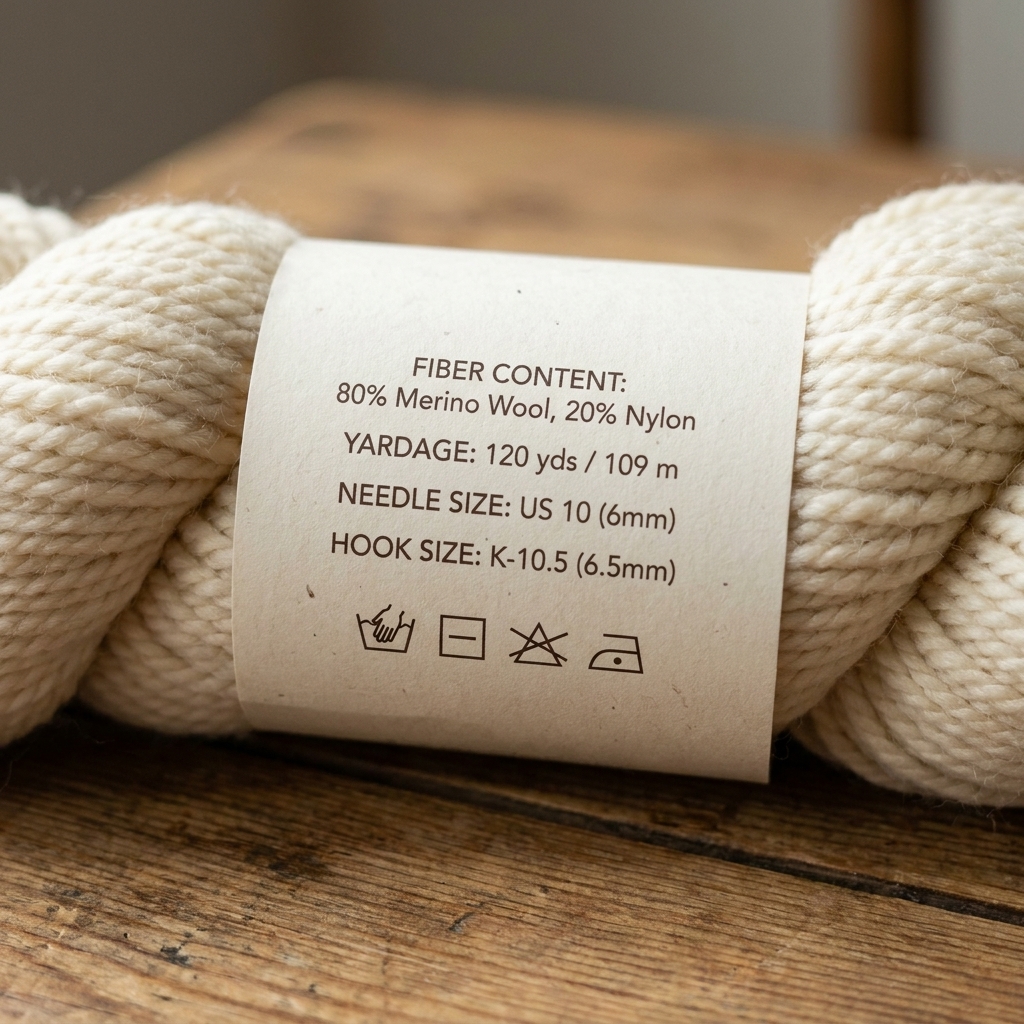
100% cotton worsted weight, plus needles or hook to match the yarn label (many worsted cottons like US 7 to 9 needles or a 4.5 to 5.5 mm hook, but check your label).
Care tip: Cotton is the low-drama choice here. It handles heat and water well. Wool can felt and acrylic can get a little weird around very hot pans, so save those for scarves.
2) Chunky scarf (knit or crochet)
The scarf gets teased as the classic beginner project, but it becomes a dream project when you make one smart tweak: go chunky, keep the stitch simple, and aim for “cozy” over “perfect.”
Why it is great
- Very repetitive, which is soothing and helps your hands learn
- Easy to customize length
- Looks impressive quickly with bulky yarn
Skills you will practice
- Knit: knit stitch, edge consistency
- Crochet: half double crochet or double crochet, turning chains
Materials
Bulky yarn (a smooth wool or acrylic blend is beginner-friendly). For knitting, a longer circular needle (24 to 32 inches) can hold lots of stitches comfortably, even if you knit back and forth.
3) Mug cozy (knit or crochet)
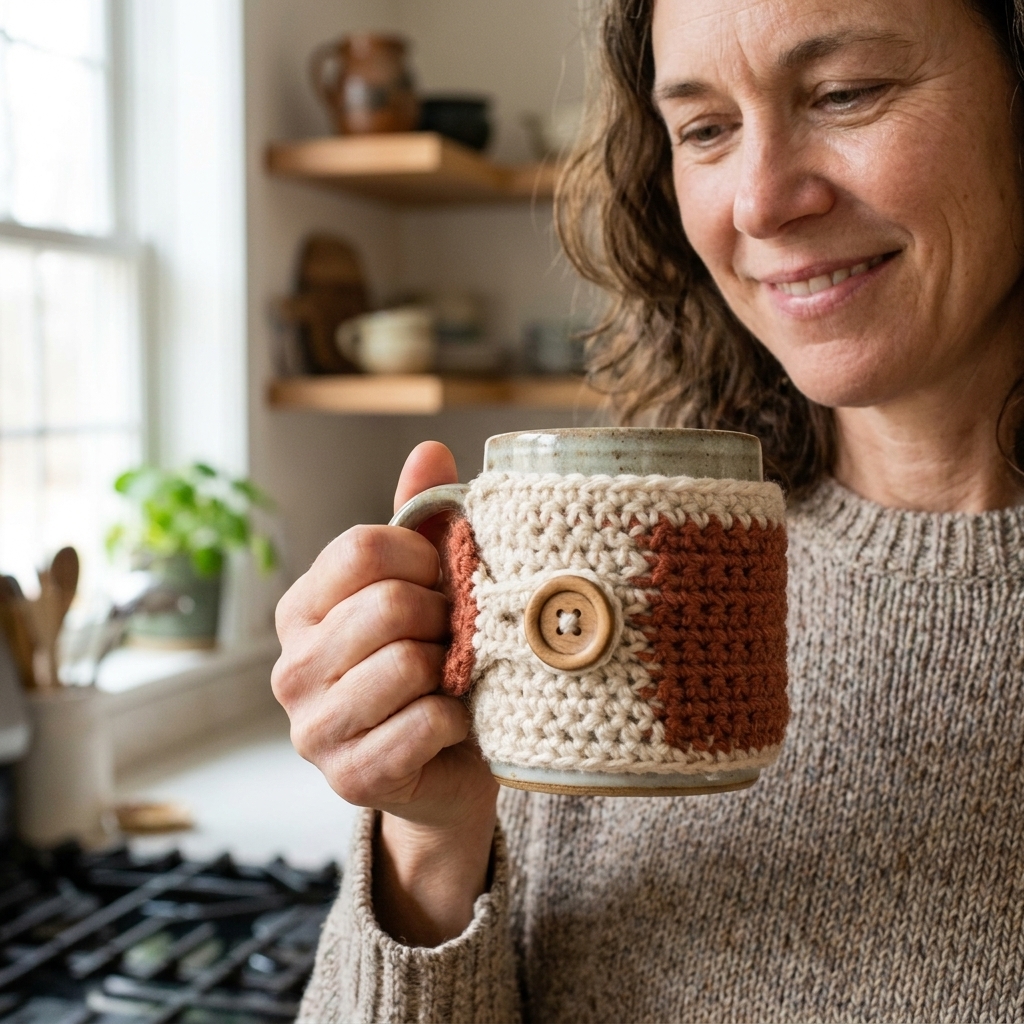
This is the “tiny scarf” of the beverage world. Quick, adorable, and it teaches you how fabric wraps around something three-dimensional without the pressure of shaping a whole sweater.
Why it is great
- Small and giftable
- Perfect for learning even tension in a narrow piece
- Great excuse to practice sewing on a button
Skills you will practice
- Knit: knit or ribbing (optional), basic seaming
- Crochet: rows in single crochet, slip stitch edging (optional)
Materials
Worsted yarn and one button.
4) Ribbed headband (knit or crochet)
If you want something wearable without committing to a hat right away, a headband is that sweet spot. Also, as a Pacific Northwest resident: it is ear-warmer season roughly eleven months a year.
Why it is great
- Weekend-friendly wearable
- Stretchy fabric teaches you about fit
- Easy to try on as you go
Skills you will practice
- Knit: knit and purl (ribbing) or garter stitch with a twist-front seam
- Crochet: crochet in the back loop for a ribbed look
Materials
Worsted or bulky yarn, plus a tapestry needle to seam the ends.
Fit note: Headbands usually want a little negative ease, meaning they should stretch to fit. If yours slides, seam it a touch tighter next time.
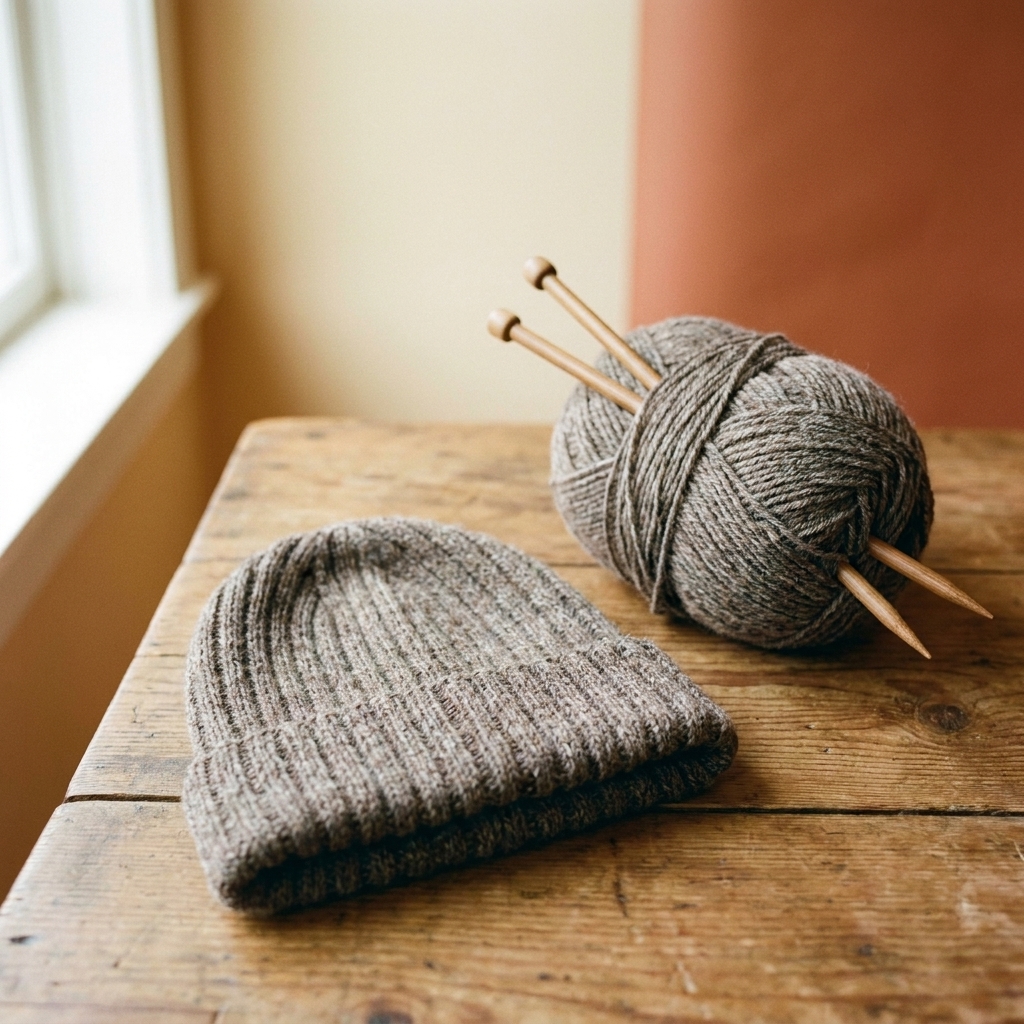
5) Basic beanie (knit or crochet)
Hats look advanced, but beginner versions are wonderfully doable. The trick is choosing a simple construction.
Two easy routes
- Knit: knit a tube in the round (a 16-inch circular is perfect here), or knit a rectangle and seam it, then close the top.
- Crochet: work in the round with single crochet or half double crochet, then shape the crown with simple decreases.
Why it is great
- Teaches fit and shaping
- Many beginners can finish in a weekend with worsted or bulky yarn
- Instantly satisfying payoff: you made a hat
Beginner-friendly yarn tip
Pick a yarn with good stitch definition (not fuzzy) so you can see where to place your hook or needle during decreases.
Gauge note (no panic): For a first hat, measure as you go. If it is looking too big, drop a hook or needle size. If it is looking too small, go up a size. Your head is an honest critic.
6) Coasters (knit or crochet)
Coasters are tiny practice squares that feel like real home decor. Make four and suddenly you have a “set,” which is extremely satisfying.
Why it is great
- Fast repetitions help you improve quickly
- Great for practicing neat edges and consistent size
- Easy to experiment with color
Skills you will practice
- Knit: garter stitch, seed stitch, or simple stripes
- Crochet: working in the round, increasing evenly
Materials
Cotton yarn is ideal for absorbing condensation and it handles heat better than many acrylics for hot mugs.
7) Infinity cowl (knit or crochet)
A cowl is like a scarf that decided to be lower-maintenance. No ends flopping into your soup. Just cozy neck warmth you can throw on and go.
Why it is great
- Shorter than a scarf, but still wearable
- Perfect for practicing simple stitch patterns
- Looks polished even in basic stitches
Skills you will practice
- Knit: knitting in the round (optional) and joining without twisting
- Crochet: crocheting in the round and keeping your rounds even
Simplest construction: Make a flat rectangle in a basic stitch you like, then seam the short ends to form a loop.
If joining in the round makes your brain feel fizzy, go with that flat rectangle plan. No one will know unless you dramatically announce it at dinner.
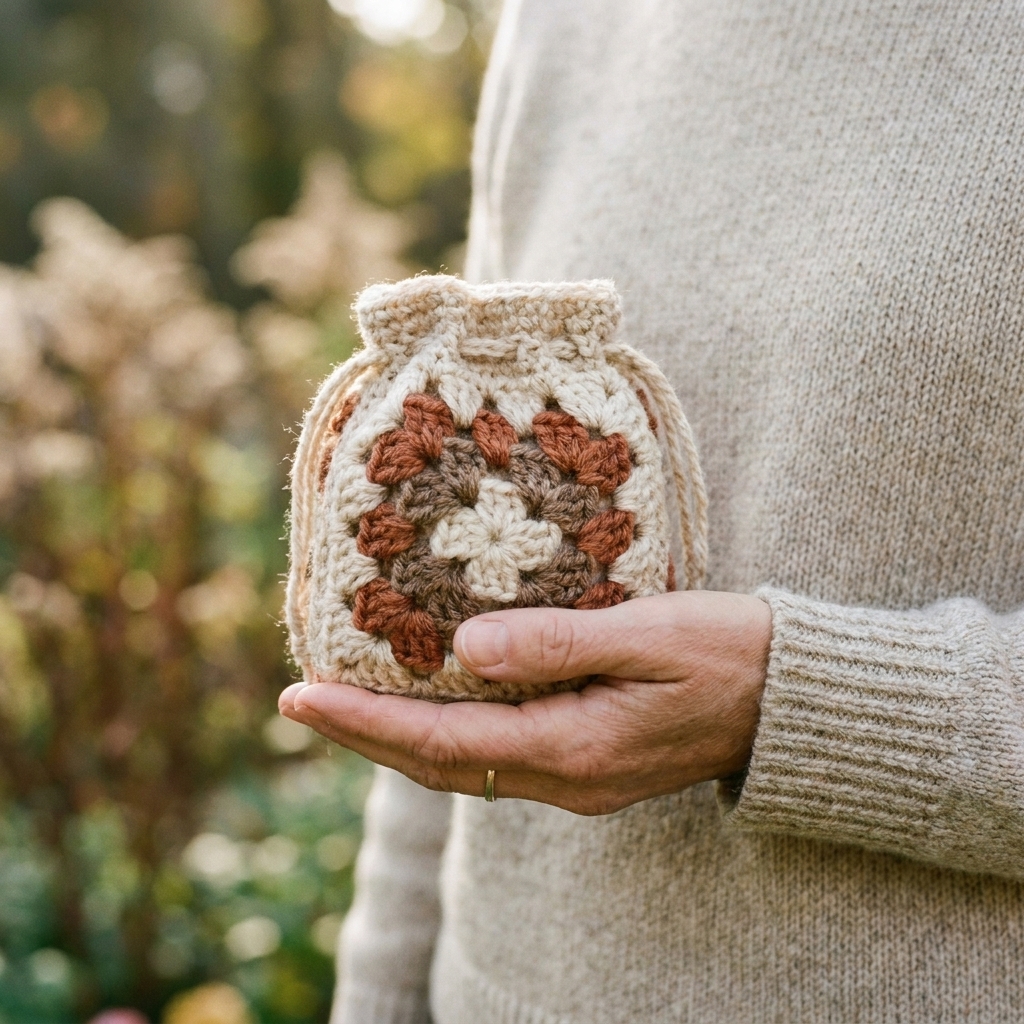
8) Granny square pouch (crochet)
If crochet has a greatest hit, it is the granny square. One square becomes two, two become four, and suddenly you are making bags, sweaters, and questioning where all your weekends went.
Why it is great
- Teaches the classic crochet rhythm: chain, cluster, corner, repeat
- Motifs are easy to redo if one turns out wonky
- A pouch is small enough to finish quickly
Skills you will practice
- Working in the round
- Color changes (optional)
- Simple seaming or slip stitch joining
Materials
Worsted yarn, a zipper or button (optional), and a tapestry needle.
9) Simple market bag (knit or crochet)
This is a fantastic “I made something useful” project. Beginner versions use sturdy stitches and simple shapes, and you can stop at any height you like.
Why it is great
- Practical slow-fashion win
- Teaches structure and strap strength
- Works up nicely in cotton
Skills you will practice
- Knit: seaming, picking up stitches for straps (optional)
- Crochet: working in the round, building sturdy straps
Materials
Cotton yarn is ideal. A smooth worsted cotton is friendly on beginner hands and holds its shape.
Stretch warning: All market bags stretch, especially if you use mesh. For your first one, choose tighter stitches (single crochet, half double crochet, or a dense knit fabric) and make the straps wider than you think you need.
10) Blanket square (knit or crochet)
A full blanket can be a lot for your first weekend project. The workaround is simple: make one blanket square. It can become a coaster, a mini lovey, or the first square in a larger blanket later.
Why it is great
- Low pressure and totally customizable
- Great practice for keeping edges straight
- Easy to block and see your progress
Skills you will practice
- Knit: garter stitch borders, stockinette practice (optional)
- Crochet: basic stitches plus a simple border round
Consider this your permission slip to start small. Your skills do not grow because you suffer. They grow because you repeat something manageable until it clicks.
Quick troubleshooting
“My edges are getting wavy.”
You are probably adding or dropping stitches at the ends. Count your stitches every few rows. In crochet, pay attention to the very last stitch of the row. It likes to hide.
“My first rows look tighter than the rest.”
Extremely normal. The beginning is where your hands are learning tension. For crochet, try using a hook one size larger just for the foundation chain. For knitting, focus on not pulling your working yarn too snug after each stitch.
“I found a mistake five rows down. Do I have to rip it out?”
No. You are allowed to leave it. Especially on washcloths, scarves, and anything labeled “rustic.” If it bothers you, tuck it away as a learning swatch and start fresh with the same yarn.
Purl Craft pep talk: The goal of your first project is not perfection. It is proof. Proof that your hands can learn this, one stitch at a time.
Pick your first project
If you want my no-stress recommendations:
- Absolute easiest: washcloth or coasters
- Fastest wearable: headband or chunky cowl
- Most “I cannot believe I made this”: beanie
A simple skill ladder: If you can finish a washcloth or coasters, you are ready for a headband. If you can finish a headband, you are ready for a cowl or beanie. That is not crafting law, but it is a very comforting path.
Whichever one you choose, take a quick photo when you start and another when you finish. Progress is easier to feel when you can actually see it. Also, future you will appreciate the evidence when your yarn stash starts multiplying. Ask me how I know.