If you have ever finished a cute little crochet circle (a hat top, an amigurumi head, a coaster) and then stared at the tiny hole in the middle like it personally insulted you, welcome. You are in excellent company. Starting in the round is one of those “small step, big feelings” moments in crochet.
Two common ways to begin are the magic ring (also called a magic circle or adjustable ring) and the traditional chain start (chain stitches joined into a ring). Both are legitimate. Both can look great. And both can absolutely make you mutter into your tea if you do not know what to expect.
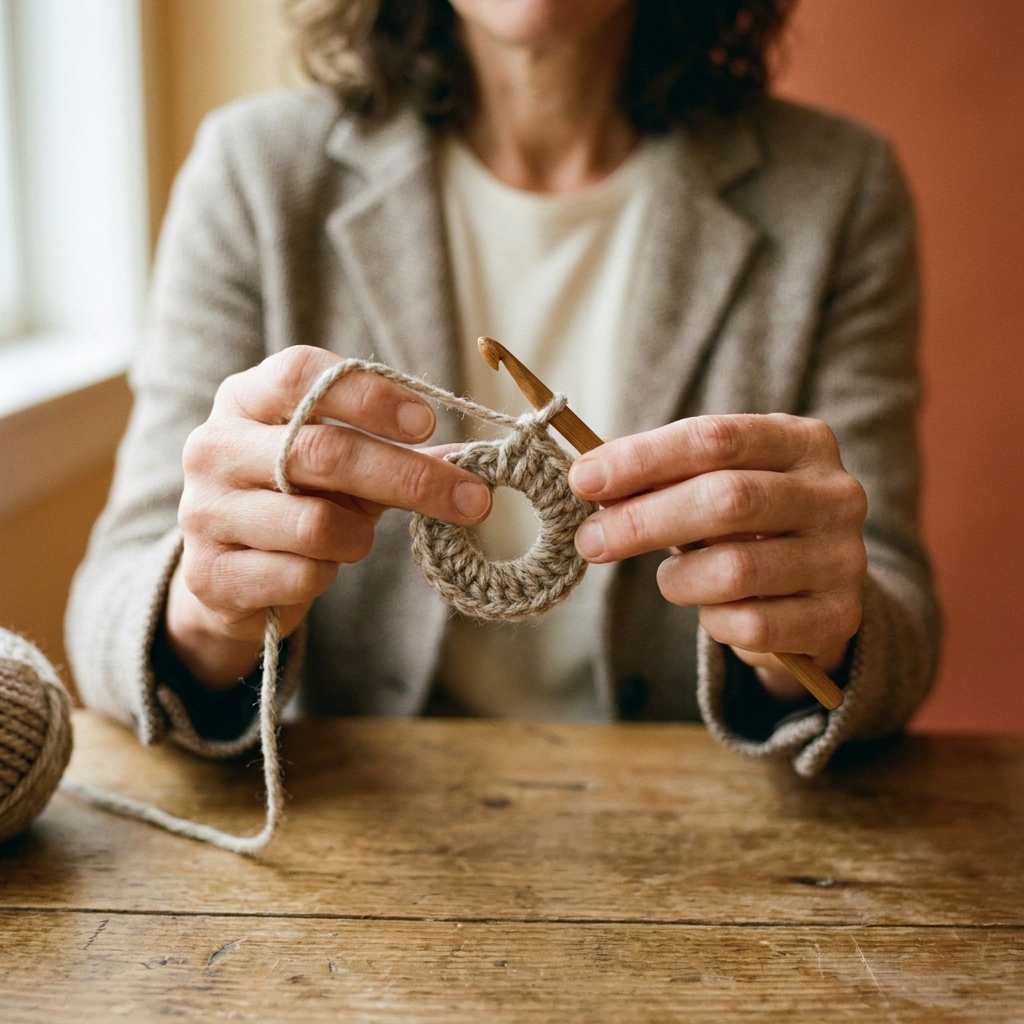
Let’s break down how each method works, where each one shines, and how to choose the best start for your project and your sanity.
Quick definitions
What is a magic ring?
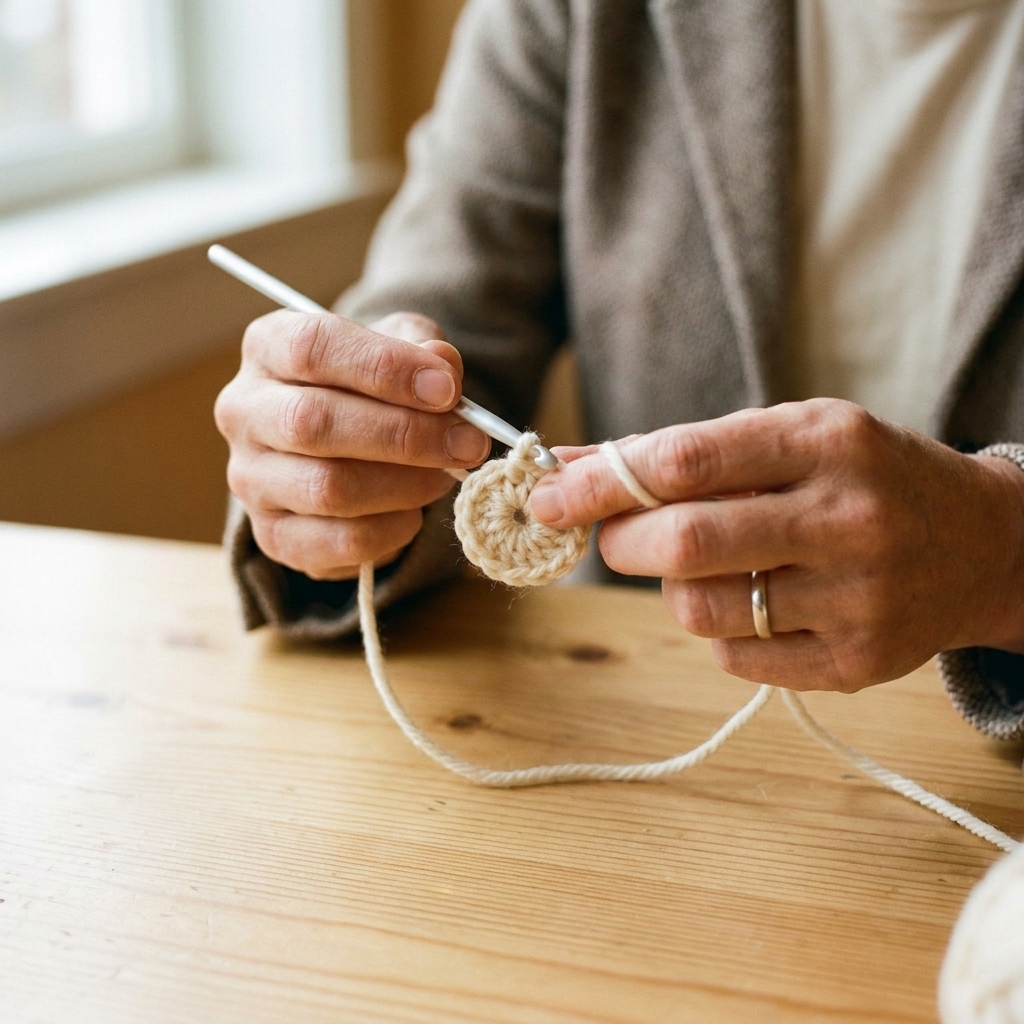
A magic ring is an adjustable loop of yarn you crochet your first round of stitches into. After the first round, you pull the yarn tail and the center cinches very tight, sometimes fully closed depending on yarn and tension.
What is the chain method?
The chain method usually means chaining a small number (often 3 to 6 chains), then joining into a ring with a slip stitch. You crochet the first round into that ring.
You will also see a close cousin of this: chain 2 (or 3) and work the first round into a specific chain instead of joining a ring. It is still a chain-based start, it just avoids the “join” step.
Magic ring pros and cons
Why people love the magic ring
- It can make the center nearly disappear. This is the big selling point, especially for amigurumi so stuffing does not peek out like a tiny marshmallow trying to escape.
- It looks polished. Great for hats, tops of beanies, and motifs where you want a crisp center.
- It uses fewer setup steps. You are not building a chain ring first, so it can feel quicker once it clicks.
Where the magic ring can be frustrating
- It has a learning curve. The loop, the tail, where to insert the hook, what to hold, what not to hold. Beginners often feel like they need three extra hands.
- It is only as secure as your tail. If the tail is not woven in well, a magic ring can relax over time, especially with slippery yarns or items that get tugged and washed a lot.
- Some fibers fight you. Very fuzzy yarns can make it harder to see what you are doing. Very slick yarns can make the loop slide around too easily.
Best projects for the magic ring
- Amigurumi (stuffed toys)
- Hat crowns and beanies
- Round motifs where the center must be tight
- Anything where a visible center hole would bug you every time you look at it
Chain start pros and cons
Why the chain start still deserves respect
- It is consistent and sturdy. A chain ring behaves predictably, which is comforting when you are learning.
- It is easier to teach and remember. “Chain, join, crochet into the ring” is straightforward muscle memory.
- It plays well with certain stitch patterns. Some patterns (especially lace motifs) are designed around a chain loop as a deliberate center space.
- Less dependent on cinching. You are not relying on a tail tug to close the center, so the start is less sensitive to how that tail is secured.
Downsides of the chain method
- It often leaves a center hole. Sometimes tiny, sometimes not so tiny, depending on your chain count, yarn weight, and tension.
- Bulk in the middle. A chain ring can create a slightly thicker center, especially with heavier yarns.
- Joining can go sideways. With a small ring you are less likely to truly twist the chain, but it is easy to misjoin, join into the wrong chain, or end up with a slightly crooked little loop.
Best projects for the chain start
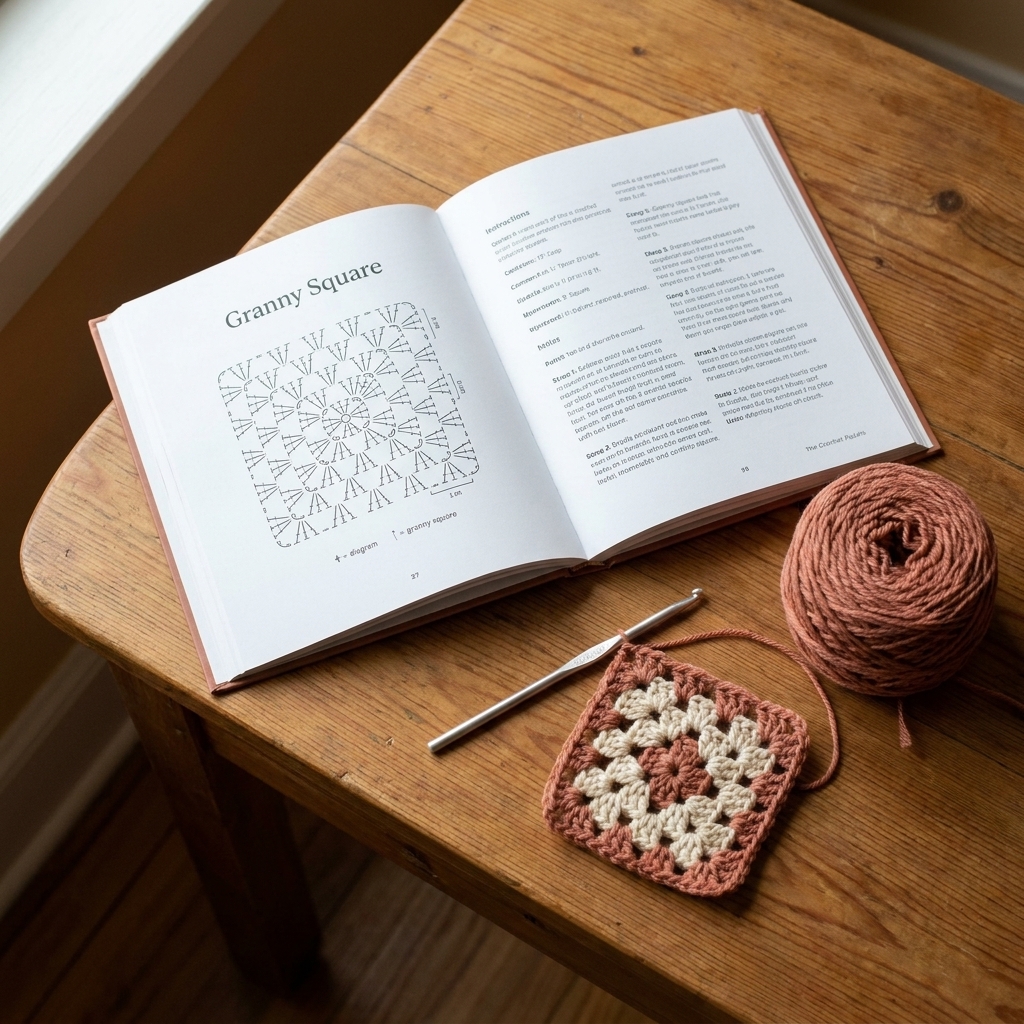
- Granny squares (when the pattern calls for a chain loop center)
- Lace and airy motifs where a center opening is part of the design
- Projects that will be heavily used and washed (dishcloths, some home decor) where you want a dependable base
- Any time you just want the easiest path to “I started the thing”
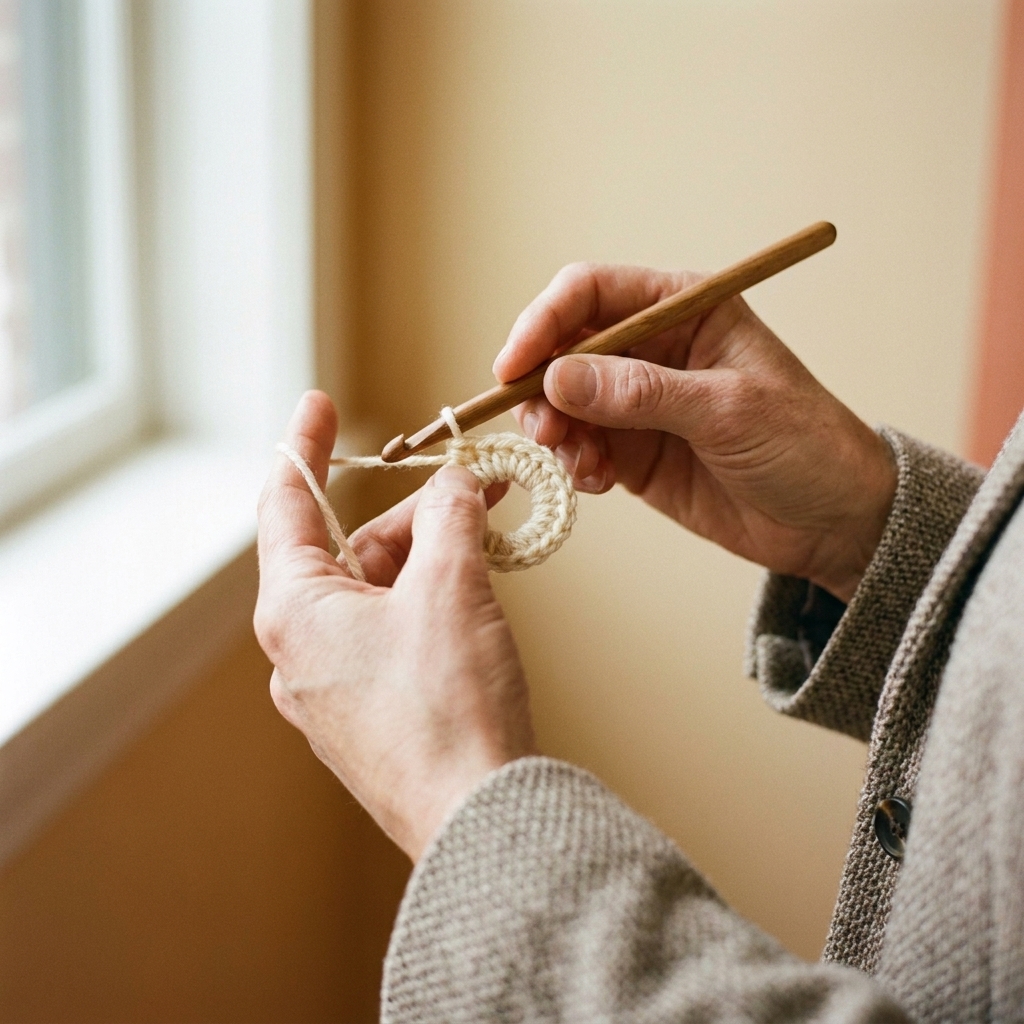
Which one to use
Choose a magic ring if you want
- No center gap (amigurumi, hat tops, tight circles)
- A cleaner finish in the very center
- More control over how closed the center is
Choose a chain start if you want
- A predictable base that does not depend on cinching
- A center space on purpose (many granny and lace patterns)
- An easier learning experience when you are brand new to crocheting in the round
My “teacher brain” recommendation
If you are a beginner, learn both. Start with the chain method so you can practice working into a ring without also wrestling an adjustable loop. Then learn the magic ring for projects where the center hole matters.
It is not cheating to pick the method that makes you actually want to keep crocheting.
Make it behave
Magic ring tips
- Leave a longer tail. Give yourself about 4 to 6 inches (10 to 15 cm) so you have something to weave in securely.
- Cinch firmly before you really move on. After your first round is complete, pull the tail until the center closes snugly, whether you join rounds or work in a spiral.
- Lock it in with the next round. Work the first few stitches of round two, then give the tail one more gentle tug to snug it again.
- Weave in the tail like you mean it. Run the tail through several stitches in multiple directions. Do not rely on a knot alone, especially for toys or items that will be washed.
- Consider a double loop for slippery yarn. Some crocheters wrap the yarn twice around their fingers before crocheting into the loop, which adds friction and security.
Chain start tips
- Use the chain count your stitch height needs. Patterns often pick a starting chain number based on the first stitch (single crochet, half double, double crochet) and how that first round is built. Follow the pattern if it specifies a number.
- Use fewer chains when the pattern allows. For single crochet circles, one common approach is
ch 2and work the first round into the second chain from the hook instead of making a larger joined ring. - Work tightly into the ring. Keep your chains snug and your first round stitches evenly tensioned.
- Close the center a bit with the tail. After your first round, you can often tighten the tail slightly and weave it in around the center to help reduce the opening.
- Join carefully. Before you slip stitch to join, make sure you are joining into the correct chain and that your little ring is not kinked or lopsided.
Common questions
Is the magic ring better than chaining?
Not universally. It is better for a tight center. The chain start is often better when you want a built-in center space or you want a start that does not depend on cinching and tail security.
My magic ring keeps coming undone. What am I doing wrong?
Usually one of three things: the ring was not cinched fully, the tail was too short, or the tail was not woven in securely enough. Slippery yarn can also be a culprit. Cinch firmly, crochet a couple stitches into the next round, cinch again, then weave in the tail in at least two directions.
Why does my chain ring leave such a big hole?
The most common cause is chaining too many for the yarn weight or stitch type. A ch 4 ring in bulky yarn can look like a tiny donut. If your pattern allows, try a chain-into-a-chain start (like ch 2 and work into the second chain) or use a magic ring for that project.
Does amigurumi always require a magic ring?
It is strongly recommended because stuffing loves to photobomb through center gaps. If you hate the magic ring, you can do a chain start and then use the tail to sew the center tighter, but the magic ring is usually the cleanest option.
What about granny squares?
Many classic granny square patterns intentionally use a chain loop so the corners and clusters have room to breathe. Some modern granny patterns use a magic ring for a tighter center. Always follow the pattern’s start unless you are comfortable adjusting the first round stitch placement.
Do joined rounds vs spirals matter here?
A little. Both starts work for both approaches, but the instructions around “finish round one, then start round two” can feel different depending on whether you slip stitch to join each round or keep going in a continuous spiral. Either way, cinch the magic ring before you get too far from it, and make sure your first round stitch count is correct before you commit.
A gentle challenge
If the magic ring makes you feel like you are trying to fold a fitted sheet while riding a unicycle, here is my favorite low-pressure practice plan:
- Make three magic rings in a row without crocheting into them. Just form the loop, pull it open, form it again.
- Then make one magic ring and crochet 6 single crochets into it.
- Cinch it closed and admire your tiny crochet lifesaver.
Repeat once a day for a few days and your hands will stop acting like this is advanced astrophysics.
Bottom line
Magic ring: best when you need a tight, closed center and a clean finish.
Chain method: best when you want a simple, dependable start or the pattern is designed around a center space.
If you only take one thing from this: you are allowed to pick the start that makes you excited to keep going. The goal is cozy handmade joy, not crochet perfectionism. Your yarn stash and I both support you.