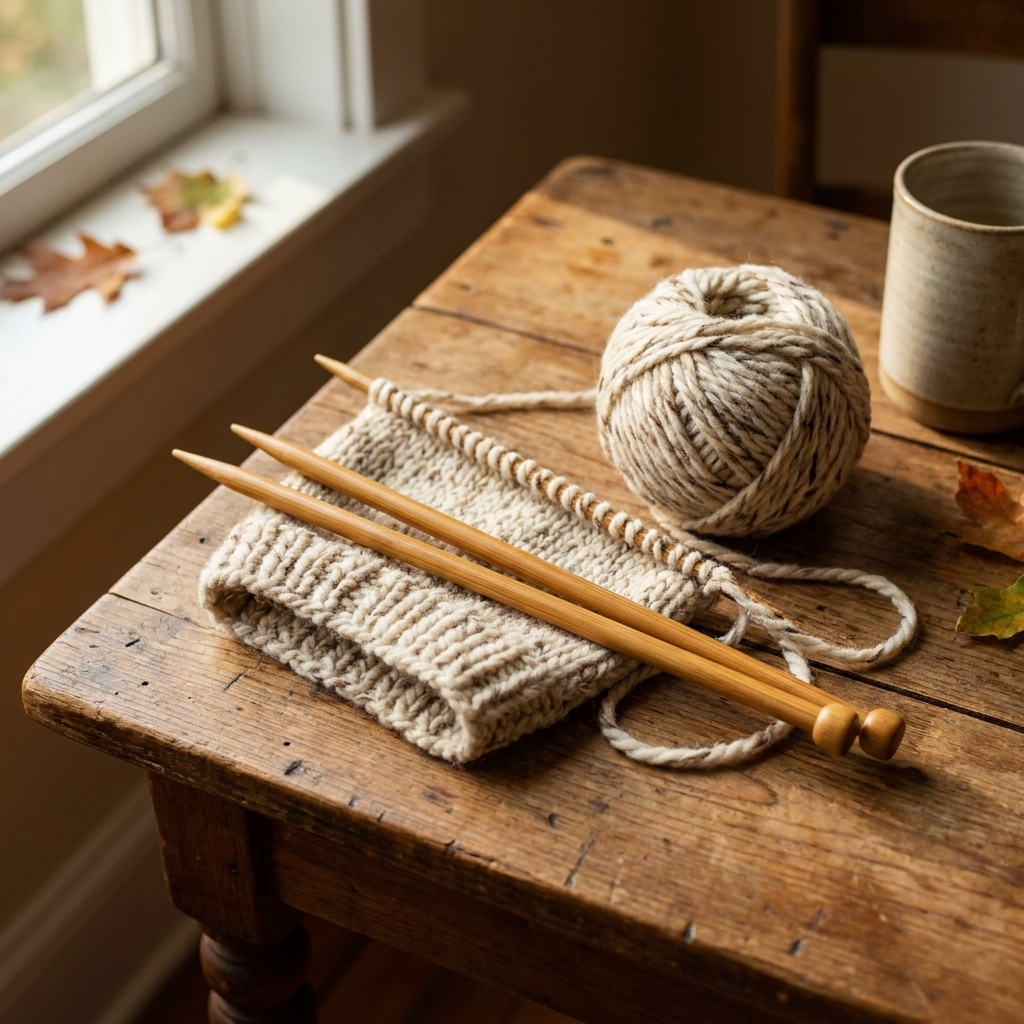
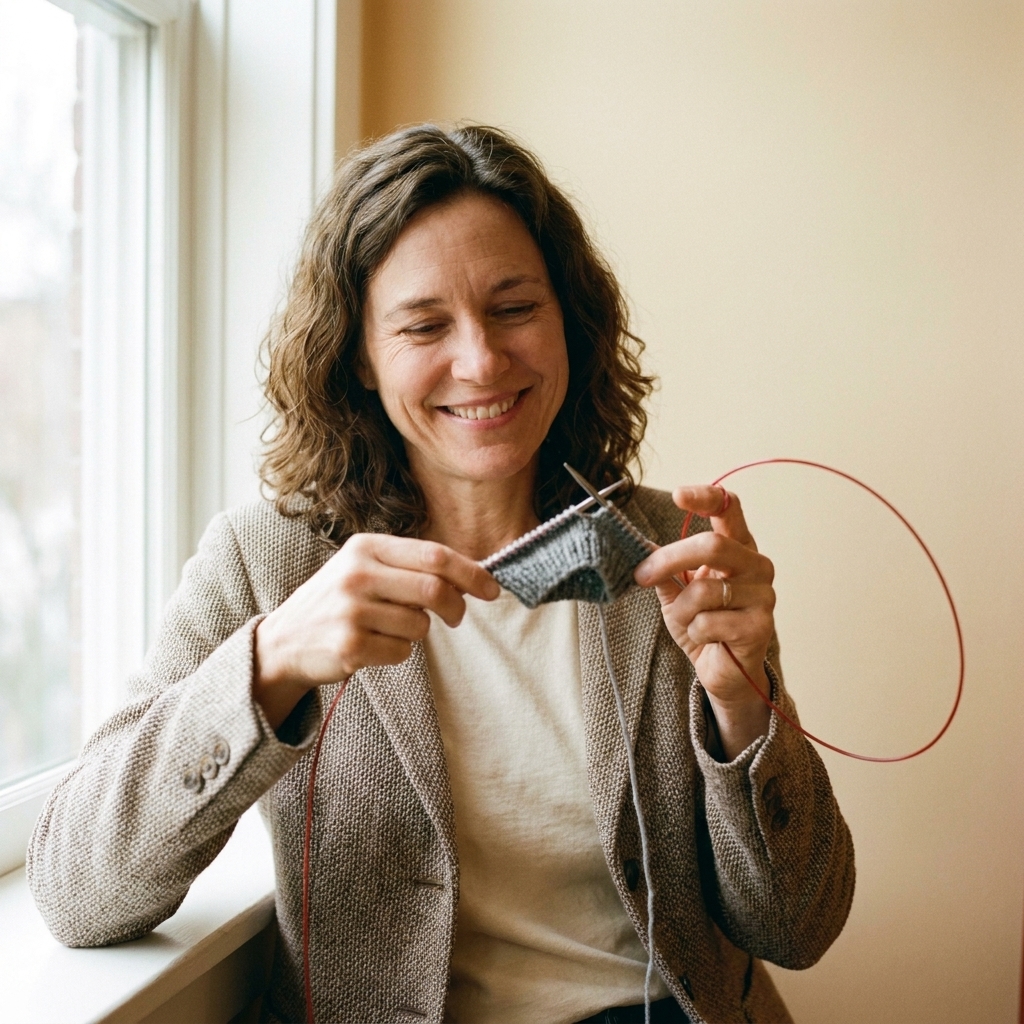
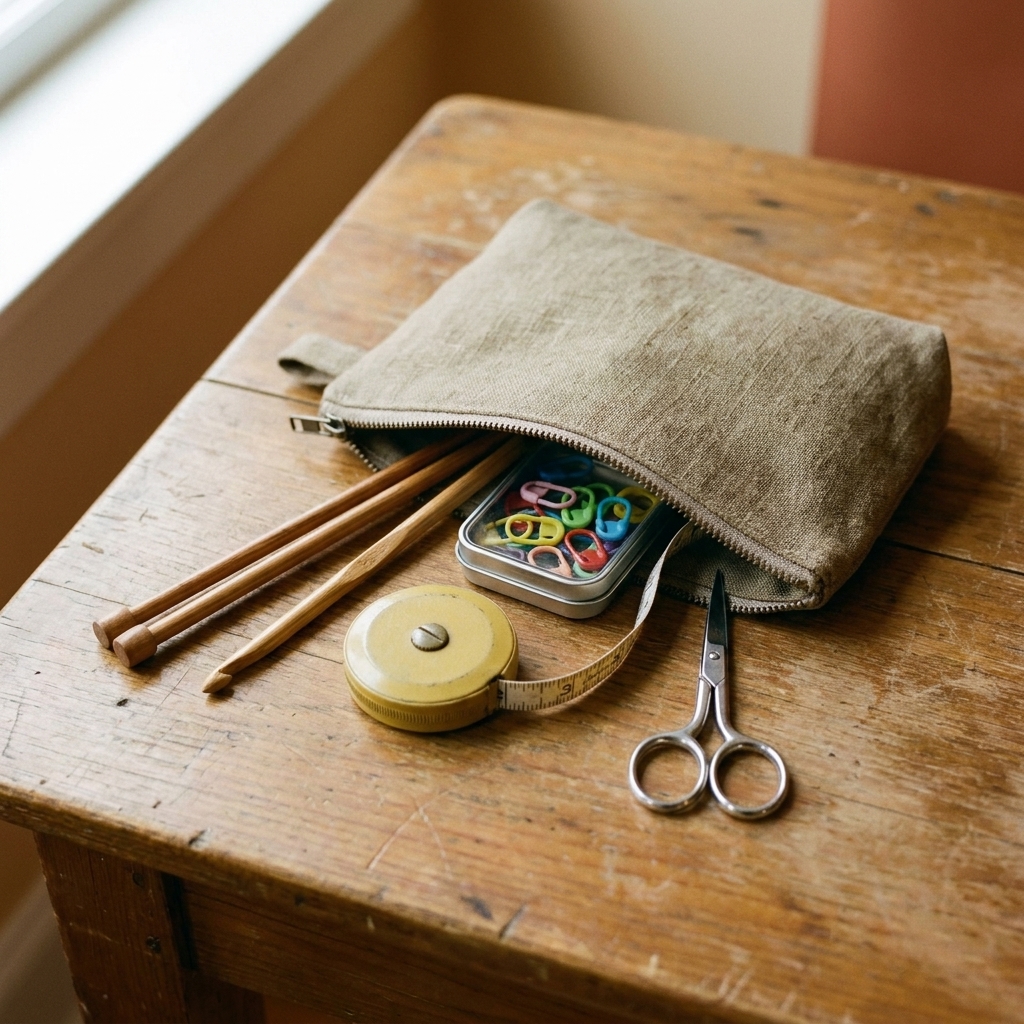
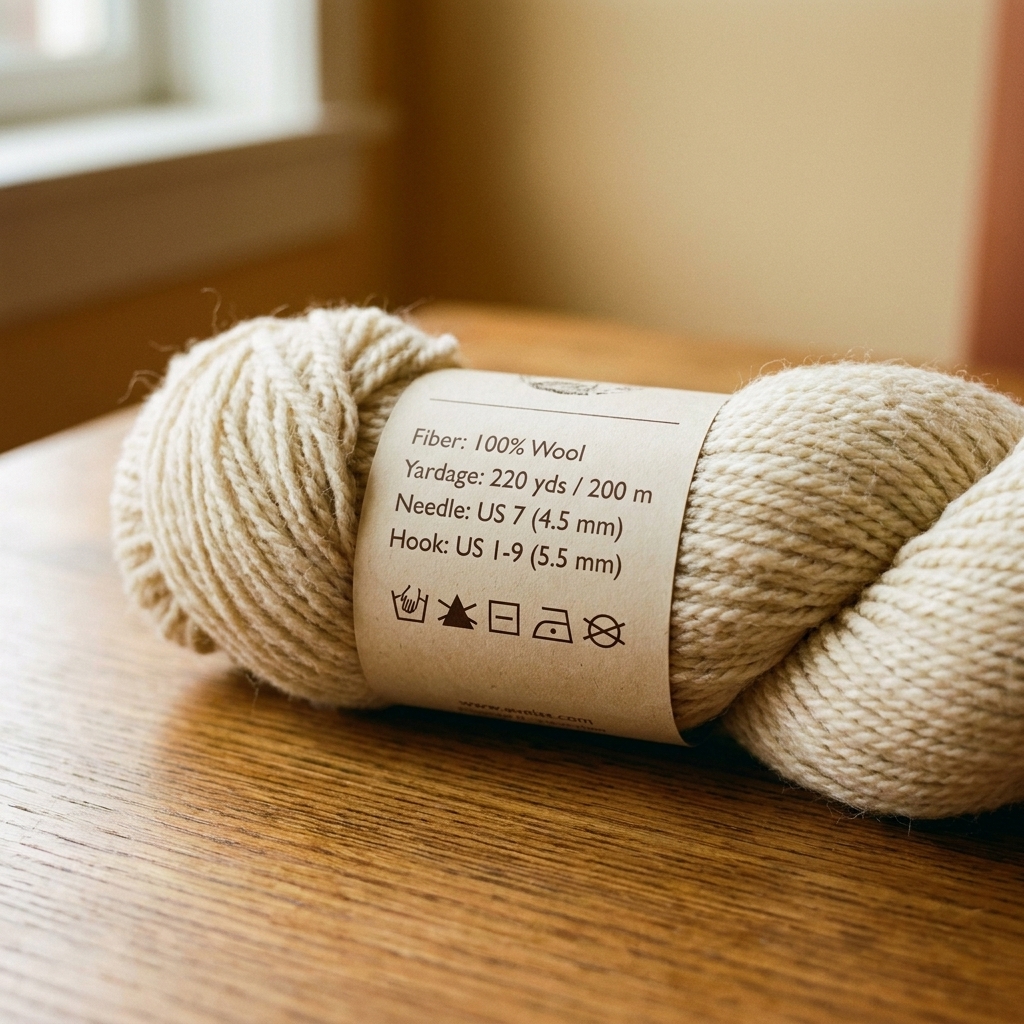
If you’ve ever looked at your needle drawer (or, in my case, the “very organized” tote that is absolutely not taking over a closet) and thought, Why do I own seven different 24-inch circulars in sizes I don’t even use?… you’re in the exact emotional zone where interchangeable knitting needles start to look very appealing.
Interchangeable sets can be a genuinely smart investment. They can also be an expensive box of optimism that mostly sits there looking pretty while you still reach for your one favorite fixed circular. Let’s figure out which camp you’re in, without judgment, because we’re all just doing our best with the tools we’ve got.
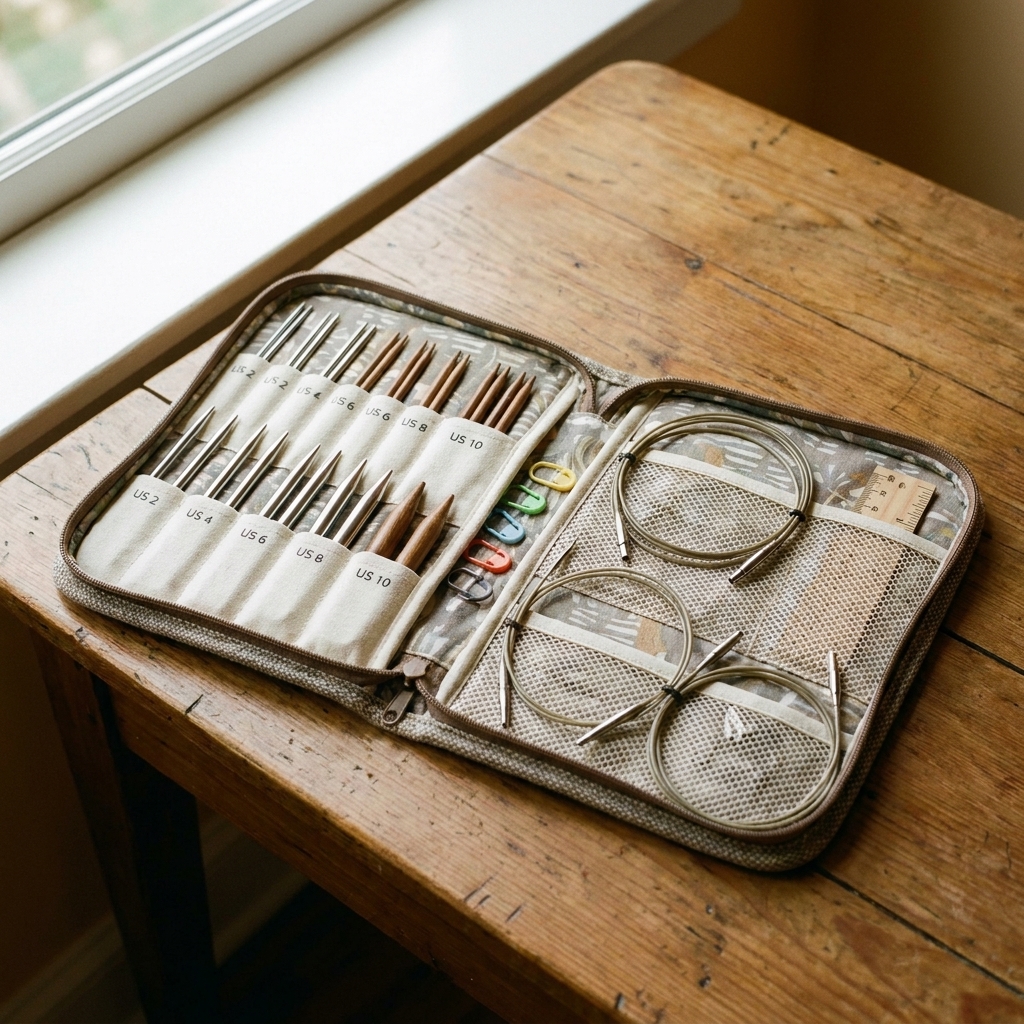
What they are
An interchangeable needle system has three basic parts:
- Needle tips in multiple sizes (usually pairs).
- Cables in multiple lengths that screw or click onto the tips.
- Connectors and tools like tightening keys, cable stoppers, and sometimes joiners to make extra-long cords.
Instead of buying a whole circular needle for every size and length combo, you build what you need for the project. US 6 (4.0 mm) on a 32-inch cable today, US 4 (3.5 mm) on a 16-inch cable tomorrow. Same tips, different setup.
What about crochet?
Crochet doesn’t use interchangeable sets in the same way, but if you do both crafts, the same buying instincts still apply: comfort, durability, and not collecting duplicates you don’t need.
Are they worth it?
They’re worth it when the money you spend replaces a pattern of repeated purchases, frustration, or “I can’t start until I buy one more needle.” They’re not worth it when you mostly knit one type of project, in one or two sizes, and you already own needles you love.
Here’s the simplest way I can put it:
- Worth it for frequent knitters: usually yes, especially if you knit garments, gifts, and a variety of yarn weights.
- Worth it for occasional knitters: maybe, if you love trying new patterns and hate hunting for the right needle.
- Worth it for beginners: sometimes, but only if the set matches what you’ll actually knit in the next year.
Cost: set vs fixed
Interchangeable sets feel pricey upfront because you’re buying a whole system at once. But the cost can even out if you regularly buy fixed circulars. Prices vary a lot by brand and materials, so think in ranges, not absolutes.
What you’re paying for
- Coverage: multiple tip sizes and multiple cable lengths in one case.
- Convenience: you can start a project immediately if you’ve got the size.
- Consistency: the same needle feel across many sizes.
- Replaceability: you can often replace a single cable or tip instead of an entire needle.
A quick math check
Try this little reality check:
- Count how many fixed circulars you bought in the last 12 months.
- Multiply by what you typically pay per needle.
- Compare that total to the set you’re eyeing.
If you’re already spending close to the price of a set every year or two, a set often becomes the calmer, tidier choice.
That said, if you’re a proud creature of habit who uses one or two sizes, fixed circulars may stay the more cost-effective option.
Convenience
Less project friction
When you sit down to knit and realize you’re missing the exact needle length, it’s surprisingly easy to abandon the project for weeks. Interchangeables remove a lot of that friction. You can usually create the length you need on the spot.
Easier travel and classes
Instead of packing three whole circular needles “just in case,” you can bring a compact case with tips and a couple cables. It’s also nice for knit nights when someone asks, “Does anyone have a size 7?” and you can actually help.
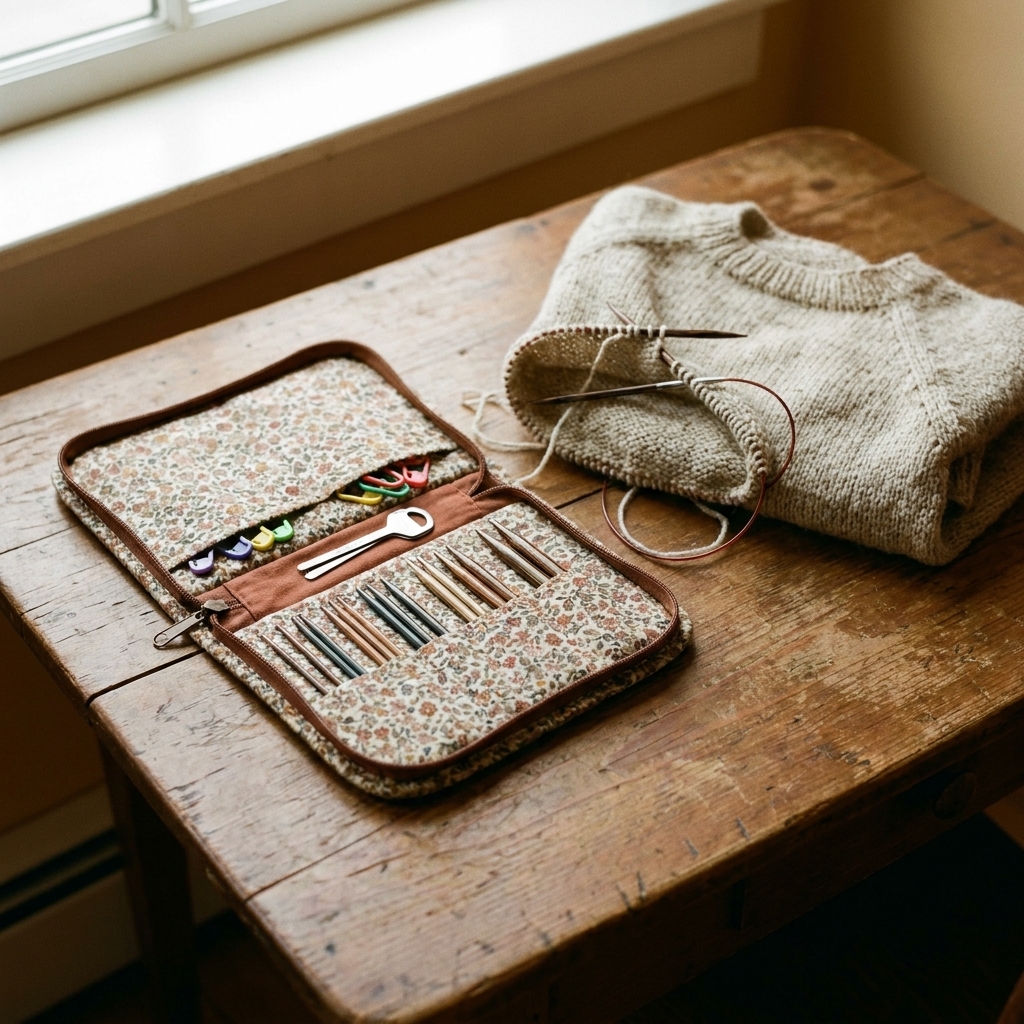
Versatility
The right set can cover a huge range of projects:
- Hats: if the set includes short cables and possibly short tips (or if you use magic loop).
- Sweaters: longer cables are great for body and yoke knitting.
- Blankets and shawls: long cables and smooth joins matter a lot here.
- Socks: some knitters love mini sets, others prefer DPNs or fixed circulars.
One honest limit
No set does everything perfectly for everyone. Many standard sets are amazing for sweaters but not ideal for tiny-circumference knitting unless you’re comfortable with magic loop or you buy additional short cables.
What to look for
If you take only one thing from this guide, let it be this: the cable and the join matter as much as the needle tips. A beautiful needle tip paired with a cranky, coily cable is still going to make you grumpy.
1) Connection type
- Screw-on systems are common and can be very reliable. Look for sets that include a tightening key and have joins that stay secure.
- Click-in systems are fast and satisfying, but you want a solid lock so it doesn’t pop out mid-row.
- Swivel cables reduce twisting, which can feel magical if you knit with a lot of movement.
2) Cable memory
A good cable lays relatively flat and doesn’t fight you. “Cable memory” is that annoying curly behavior where the cable wants to spring back into coils. Less memory usually equals more pleasant knitting, especially for magic loop and big projects.
3) Join smoothness
Run your fingertip over where the tip meets the cable. If your finger catches, your yarn may catch too. Smooth joins are often one of the biggest differences you’ll notice between lower-cost sets and higher-end sets, though there are exceptions in every price tier.
4) Tip shape
- Sharper tips can help with lace, textured stitches, and tight knitting, and they’re often better at getting into small spaces.
- More rounded tips can feel less poky, may split yarn less for some knitters, and tend to feel more forgiving while you’re building confidence. Comfort still depends on your grip, needle diameter, and material.
5) Material
- Metal tips are slick and fast. Great for speed, and great if you tend to knit tightly.
- Wood or bamboo adds grip, which can be comforting if stitches feel like they’re escaping you. They’re often quieter too, though it depends on the finish and how you knit.
6) Sizes included
This is where beginners often overbuy. Ask yourself what you actually knit:
- Garments in worsted and DK: you’ll likely use mid-range sizes constantly.
- Chunky accessories: make sure larger sizes are included.
- Socks and fingering: consider a small-gauge or “mini” set.
7) Accessories
Nice-to-haves that actually matter:
- Cable stoppers so you can park stitches and reuse tips.
- Extra cables in the lengths you truly use.
- Connectors for making longer cables.
- A case that keeps sizes organized so you’re not playing “guess the needle” later.
8) Compatibility
Interchangeable parts aren’t universally cross-brand compatible. Different brands use different thread sizes or connection styles, even when they look similar. If you think you’ll want to mix and match tips and cables later, make sure you’re buying into the same ecosystem on purpose.
9) Length math
One sneaky detail: some brands list cable length by the cable itself (excluding tips), while others emphasize the finished needle length once tips are attached. Tip length changes the final measurement, so double-check what “16-inch” means before you buy extra cords.
Common frustrations
Cables unscrewing
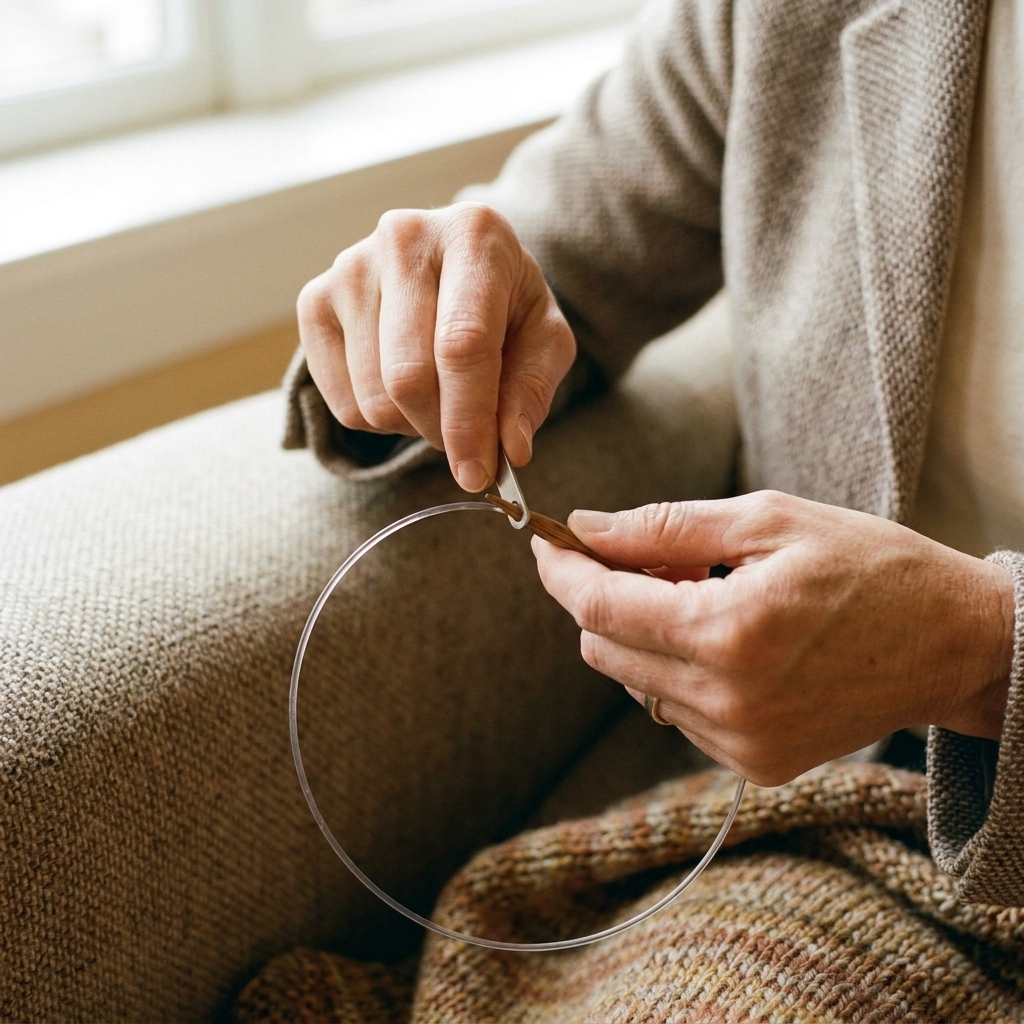
This is usually solvable. Use the tightening key if your set has one, and get in the habit of giving the join a snug twist before you start. If it still loosens constantly, that’s a sign the system may not be a good match for your knitting style.
Stitches catching
If your yarn catches every round, it’s not you. Either the join isn’t smooth, the connection is slightly loose, or the yarn itself is grabby. Tighten first. If it still catches, that’s a quality issue that will drain your joy over time.
Not having the right cable length
Most sets include a few standard cable lengths, but your personal “default” might be different. If you mostly knit sweaters, a couple longer cables are gold. If you knit hats, you may need shorter options or be ready for magic loop.
Short tips feel cramped
Some sets offer short tips for small-circumference knitting. They’re great for hats, but can feel fiddly if you’ve got larger hands. If possible, try holding short tips before committing, or stick with standard tips and use magic loop.
Who should buy
A set is great if you...
- Knit often and make a mix of projects.
- Are starting garments and want fewer “run to the store” moments.
- Like to swatch properly and need different sizes regularly.
- Have strong preferences about needle feel and want consistency.
- Want to reduce duplicates and keep tools organized.
Skip it for now if you...
- Mostly knit one type of item with one or two sizes.
- Are still figuring out whether you prefer wood or metal.
- Only knit occasionally and already own serviceable needles.
- Find fiddly connections annoying and just want to knit.
My teacher-brain advice: If you’re a newer knitter, consider buying one high-quality fixed circular in the size you use most and one in the next size up or down. If you reach for them constantly, an interchangeable set becomes an easy next step.
Picking your first set
Step 1: Pick material
If your stitches tend to slide off and that stresses you out, start with wood or bamboo. If you knit tightly or want speed, consider metal.
Step 2: Pick size range
- Standard sets usually cover mid to larger sizes and are excellent for sweaters and accessories.
- Mini sets focus on small sizes for fingering yarn, socks, and lightweight shawls.
Step 3: Think about your usual project
- Sweaters: prioritize comfy tips and flexible cables in longer lengths.
- Hats: prioritize short-cable options or make sure you like magic loop.
- Lace: consider sharper tips and very smooth joins.
Step 4: Be honest about fussing
Some knitters don’t mind occasional tightening. Others find it breaks their flow. Be honest with yourself. Your tools should support your calm, not sabotage it.
Care and longevity
- Store tips by size so you don’t lose one needle and end up with mismatched pairs.
- Do a quick join check before starting a session.
- Wipe metal tips occasionally if your hands tend to be sweaty or you knit outdoors.
- Don’t overtighten wooden tips. Snug is good. Hulk strength isn’t required.
- Replace worn cables instead of fighting them. A fresh cable can make an older set feel brand new.
FAQ
Do interchangeables work for magic loop?
Yes, and many knitters love them for it. The key is a flexible cable with low memory and a smooth join so the loop slides easily.
Are they good for beginners?
They can be, especially if you plan to knit regularly and you like the idea of growing into a tool set. If you’re still learning what needle material you prefer, start with one or two fixed circulars first.
Will the tips come unscrewed and ruin my day?
Sometimes, depending on the brand and your knitting style. Many systems include a tightening key, and using it makes a big difference. If you’re a very energetic knitter, prioritize a system known for secure connections.
Do I need a standard set and a mini set?
Only if you truly knit across those ranges. If you mostly knit worsted sweaters, start with a standard set. If you mostly knit socks, start with a mini set. You can always add later, and your yarn stash won’t be offended.
What separates “okay” sets from great ones?
In my experience, it’s the cable quality and join smoothness. Comfortable tips matter, but a kinked cable or snaggy join will show up on every single row.
My bottom line
If you knit often, love trying new patterns, or you’re ready to start garments, an interchangeable needle set is usually worth it for the convenience and long-term flexibility alone. If you knit occasionally or mostly in a narrow lane, you’ll likely be happier buying one or two excellent fixed circulars in your go-to sizes.
Either way, you’re not “more serious” because you bought a fancy set. The best tool is the one that helps you actually make the thing, enjoy the process, and come back to your knitting tomorrow with a little more calm than you started with.