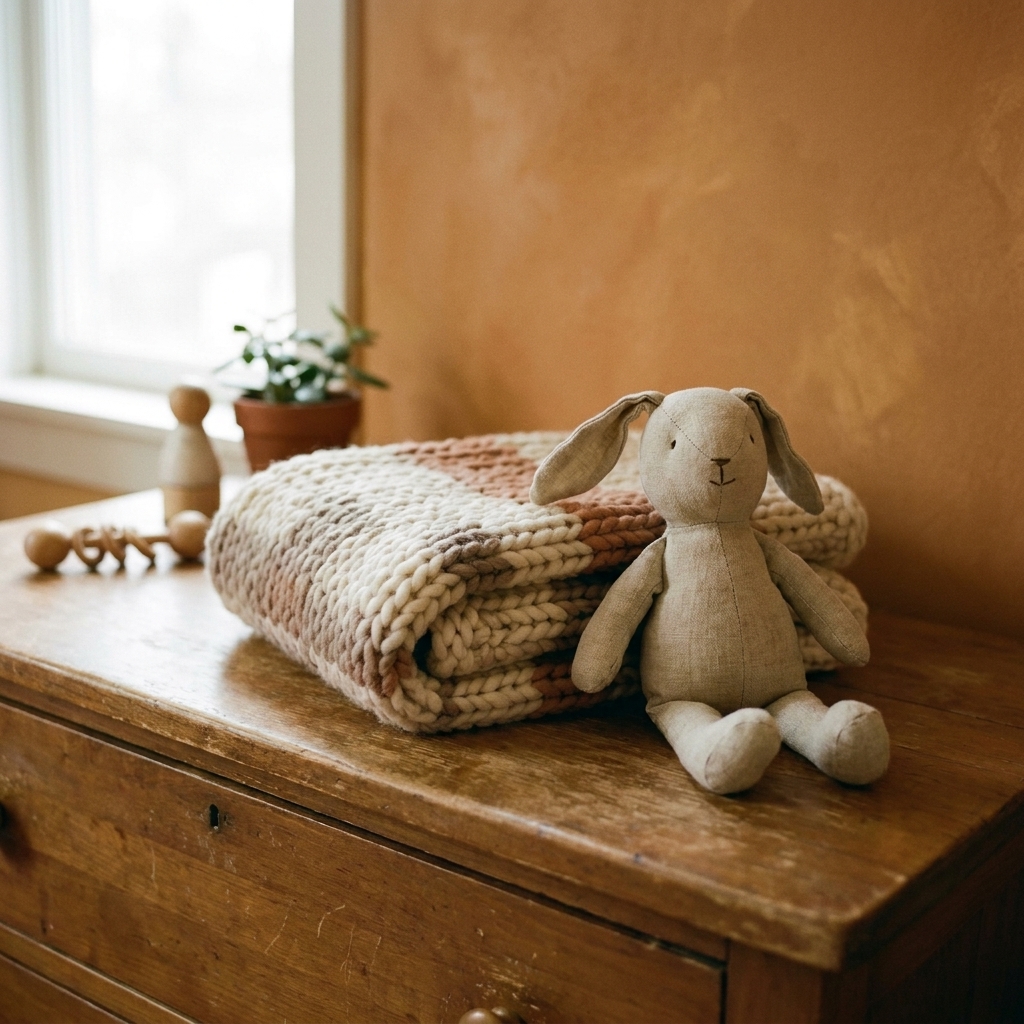
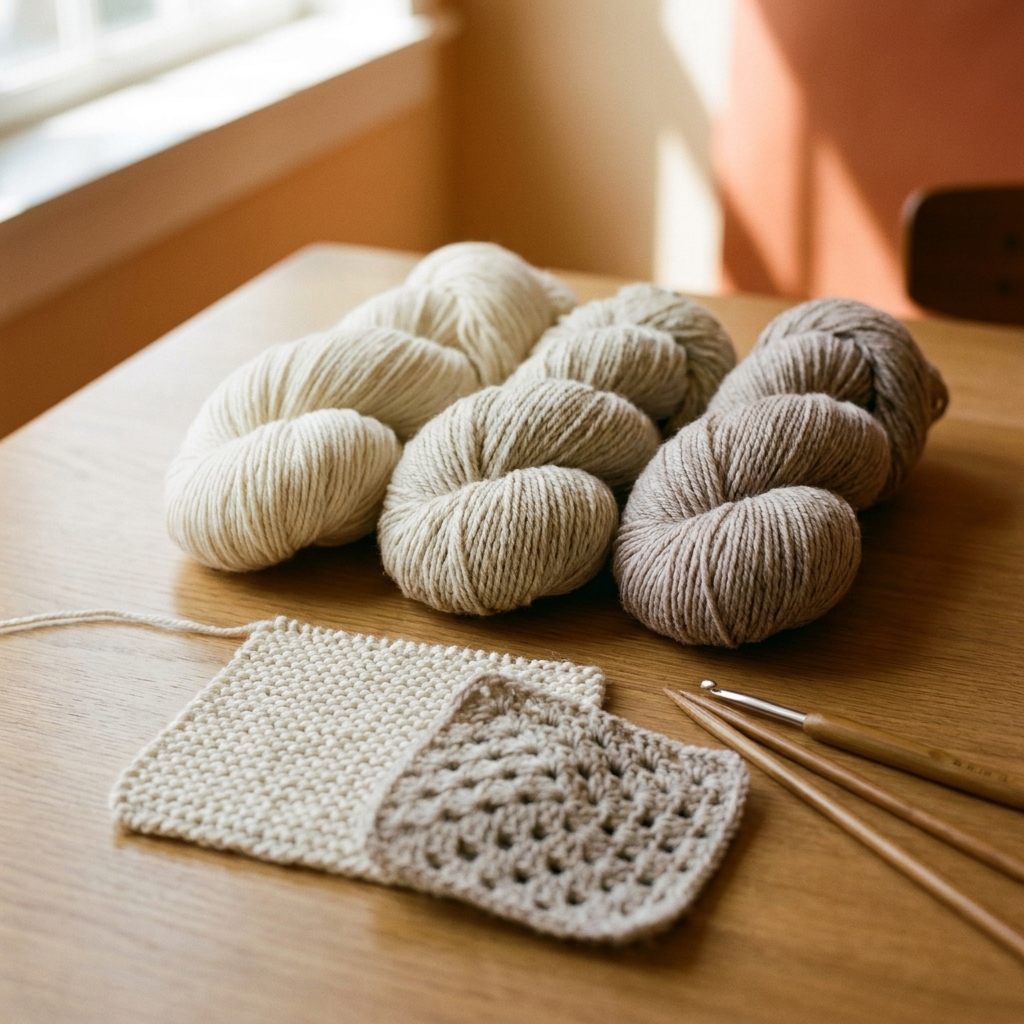
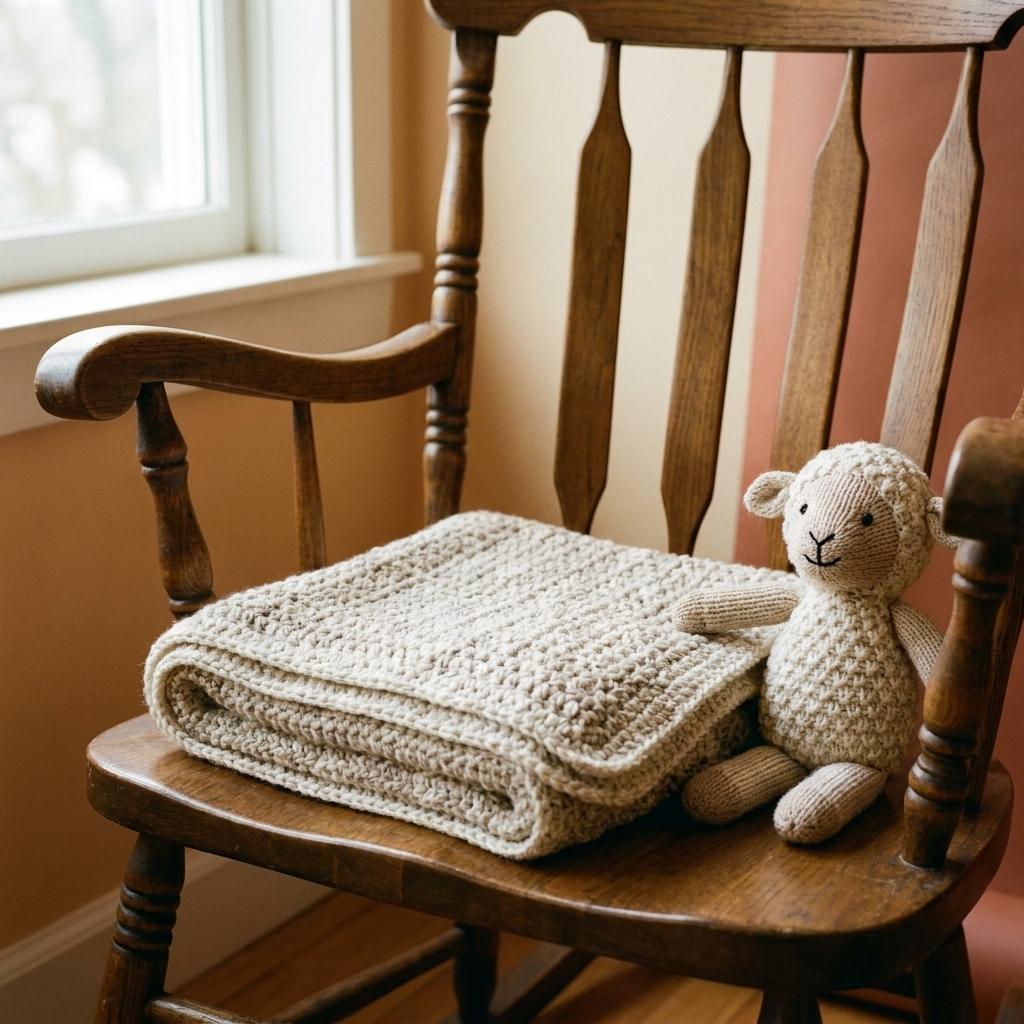
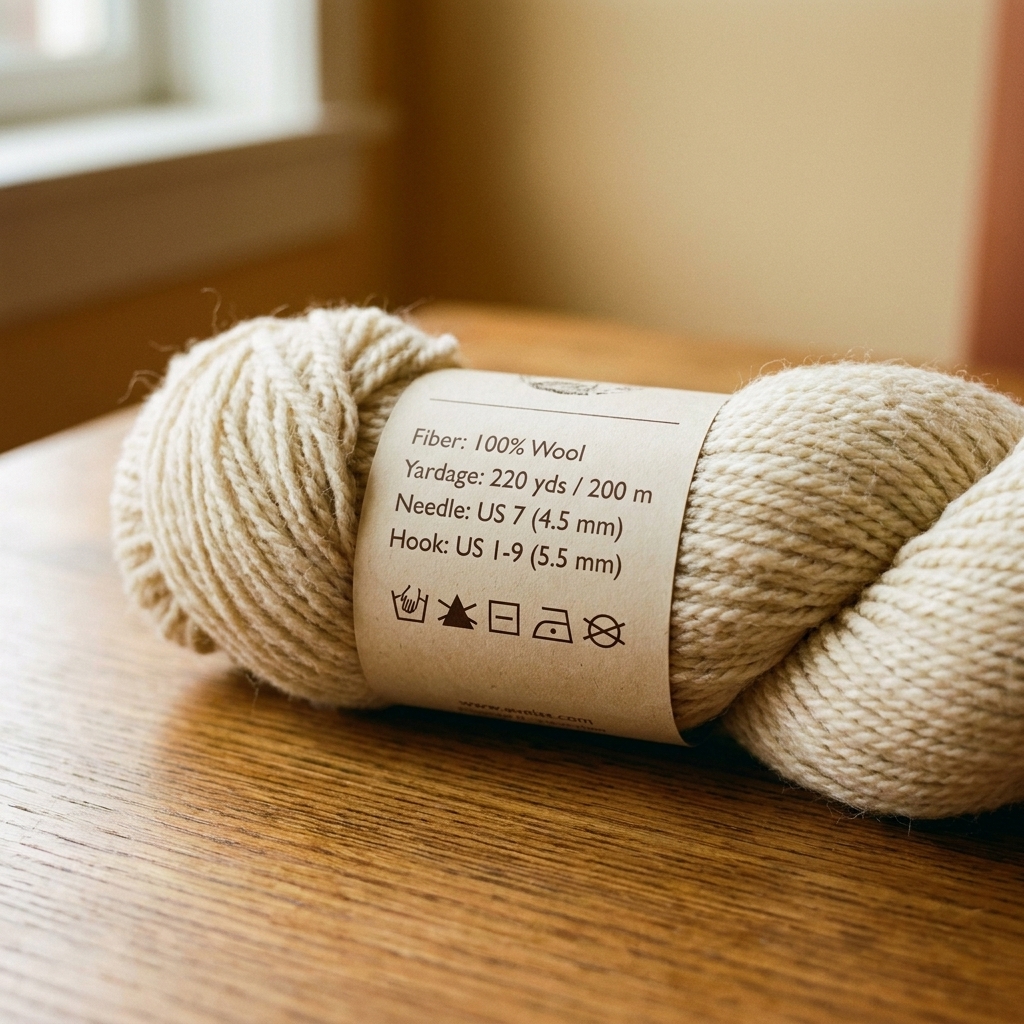
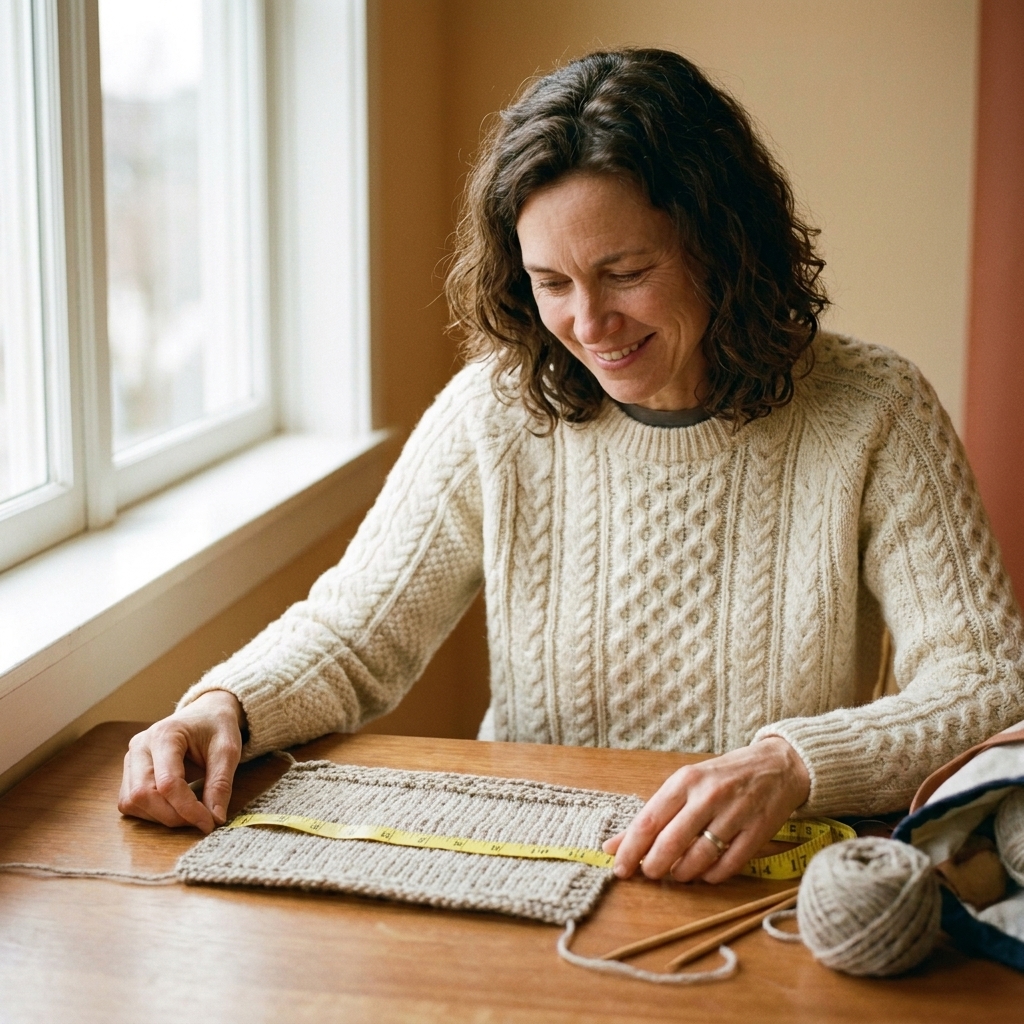
Baby blanket yarn shopping sounds so sweet and simple until you are standing in the yarn aisle doing mental gymnastics like: Will this pill? Will this survive spit-up? Will it feel scratchy after the 12th wash? Been there. I have absolutely held a skein to my cheek in public like a raccoon guarding her stash.
For most families, the sweet spot is a yarn that is (1) gentle on sensitive skin, (2) easy to wash, and (3) sturdy enough to handle the real world. Below are seven of my favorite options for knitting and crochet baby blankets, booties, hats, and tiny sweaters. These are commonly well-tolerated picks, but individual sensitivities vary, so treat “hypoallergenic” as a helpful hint, not a guarantee.
One more practical safety note before we dive in: for baby blankets, I generally prefer yarns that do not shed fluff and fabrics that are not too open or holey. Tiny fingers love finding tiny gaps.
What “hypoallergenic” means
In yarn land, “hypoallergenic” is usually used informally, and the rules around labeling can vary by country and product category. Most of the time, it means the fiber is less likely to cause irritation for many people, not that it is irritation-proof. Sensitivities can come from:
- The fiber itself (some people react to animal fibers like wool or alpaca, or to plant fibers with a firmer feel).
- Dyes and finishes (even a soft yarn can irritate if a dye or finish bothers someone).
- Texture (a yarn can be technically soft, but a fuzzy halo, stiff twist, or shed-prone fluff might still feel unpleasant on delicate skin).
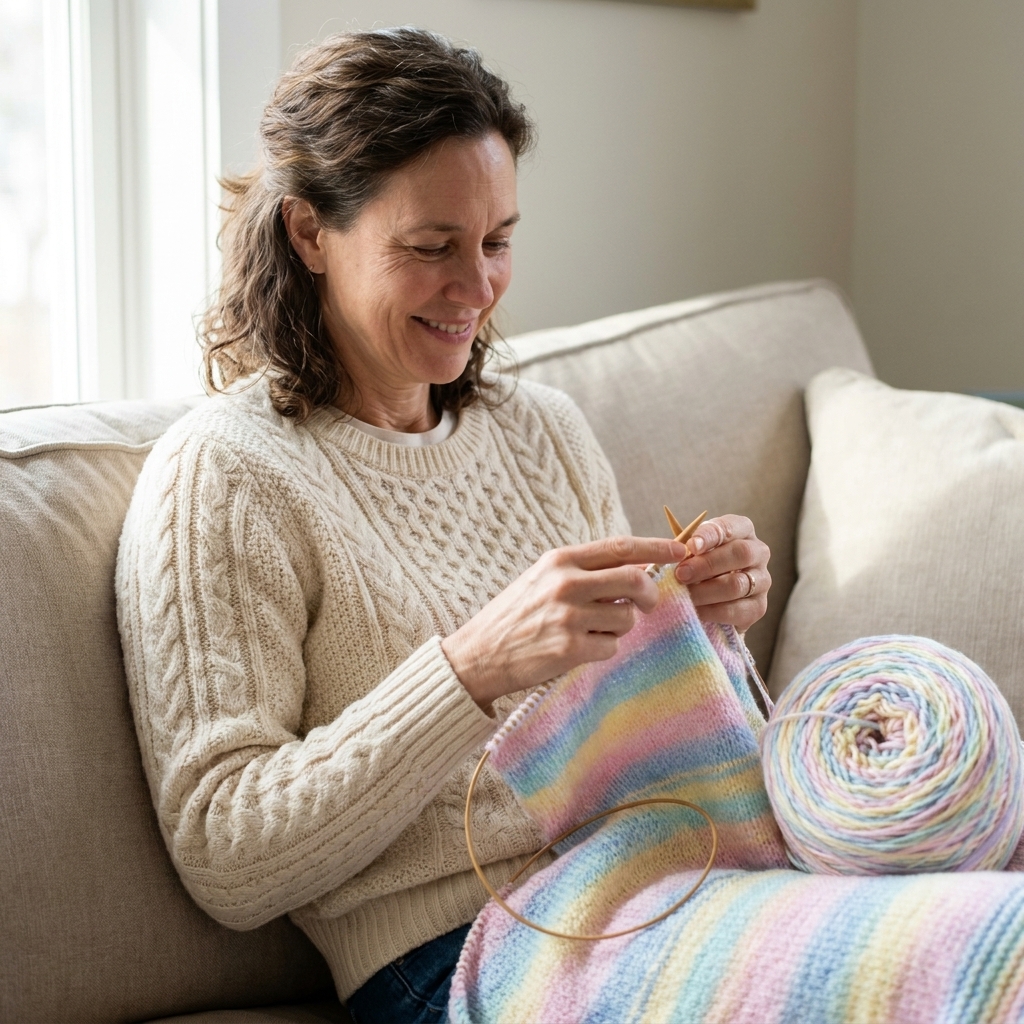
If the baby has eczema, very sensitive skin, or there is a strong family allergy history, consider making a small swatch, washing it, and doing a gentle “cheek test” with the caregiver before committing to a whole blanket.
How I chose these yarns
All seven options below share a few baby blanket must-haves:
- Machine washable (because life). Labels still vary, so “machine washable” might mean cold and gentle, and some yarns will prefer “dry flat” even if they tolerate a spin.
- Soft next-to-skin feel.
- Widely available in many colors.
- Reliable performance for knit and crochet, including decent stitch definition and everyday durability.
I also included a mix of fibers because every family has different needs, budgets, and preferences.
The 7 best hypoallergenic and washable yarns for baby blankets
1) 100% acrylic (premium, anti-pilling lines)
Best for: everyday baby blankets that will be washed constantly
Acrylic gets a bad rap in some corners of craft culture, but for baby items it can be a total hero. It is often a good option for families avoiding animal fibers, it comes in a huge range of colors, and many modern “anti-pilling” acrylics stay looking fresh longer. As with any fiber, some people can still react to dyes or finishes, so a pre-wash is always smart.
- Why it works: usually machine-washable and dryer-friendly, budget friendly, and tough enough for daily use.
- Look for: “anti-pilling,” “soft,” or “baby” acrylic lines.
- Heads up: acrylic can melt with high heat, so skip hot irons and keep dryers on low or gentle settings.
My pattern pairing: simple granny stripe (crochet) or a garter stitch blanket (knit). Both hide everyday wear beautifully.
2) Cotton acrylic blend
Best for: families who want cotton’s feel without cotton’s stiffness
Pure cotton can be wonderful, but it can also feel a bit heavy, and some 100% cottons grow after washing. Cotton-acrylic blends keep that clean cotton feel while adding bounce, softness, and simpler care.
- Why it works: comfortable drape, less “ropey” feel than some cottons, and generally easy laundering.
- Look for: blends around 50 to 60% cotton for balance.
- Heads up: in very warm climates, the acrylic portion can feel less breathable than pure cotton, so keep stitches a touch looser for airflow.
3) 100% Pima cotton
Best for: warm-weather babies and sensitive-skin families who prefer plant fibers
Pima cotton (and other extra-long-staple cottons) tends to be smoother and softer than basic cotton. It is a lovely choice for summer blankets, stroller blankets, and layering pieces.
- Why it works: breathable, smooth, and often well tolerated.
- Look for: combed Pima cotton, and consider mercerized if you want a sleeker, more polished finish.
- Heads up: cotton can feel heavier than acrylic or bamboo. For a more portable blanket, use a lighter stitch pattern and consider a slightly smaller size.
4) Bamboo viscose (often blended)
Best for: buttery-soft blankets with elegant drape
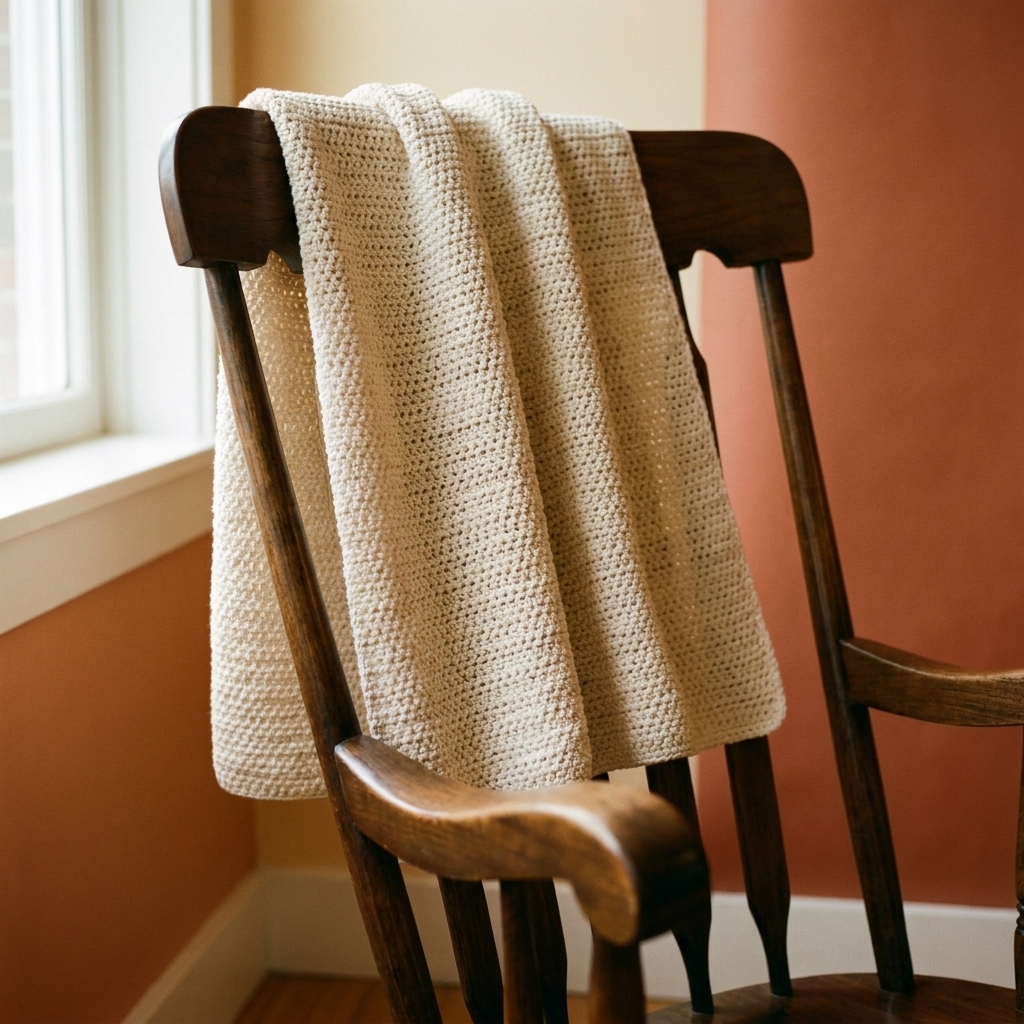
Bamboo-derived viscose is famous for its silky feel. For baby blankets, I like it best when it is blended with cotton or a small amount of acrylic because that can improve structure and help limit stretching.
- Why it works: very soft hand feel, lovely drape, and often a comfortable choice for sensitive skin.
- Look for: bamboo-cotton blends clearly labeled machine washable.
- Heads up: bamboo can relax and grow. Always wash and dry a swatch the same way you will launder the finished blanket.
5) Superwash merino
Best for: families who want natural wool softness with simpler laundry
Merino is one of the softest wools out there, and “superwash” treatment makes it much easier to launder. If the baby has no known wool sensitivity, superwash merino can make heirloom-level cozy items that still handle regular washing.
- Why it works: warm but breathable, springy, soft, with beautiful stitch definition.
- Look for: “machine washable” or “superwash” clearly stated on the label.
- Heads up: some superwash wool can stretch or change texture with heat and agitation, even when the label allows tumble drying. Gentle cycles help, and laying flat to dry is often the least dramatic option for bigger blankets.
My pattern pairing: knit seed stitch or crochet lemon peel stitch for a squishy, reversible texture.
6) Microfiber polyester
Best for: ultra-soft “snuggle” blankets that feel like a cloud
Microfiber yarns can feel unbelievably soft, almost like a velour blanket. They are typically machine washable and cozy. Durability can vary by brand and construction, but many hold up well for baby blankets when cared for per the label.
- Why it works: plush feel, often gentle for sensitive skin, and generally easy to launder.
- Look for: smoother microfiber rather than very fuzzy novelty yarns if you want clearer stitches and less shedding.
- Heads up: microfiber can be slippery and hard to frog. If you are a beginner, use simple stitches and count rows carefully.
7) Nylon blends
Best for: baby knits and crochets that need extra durability
You will often see nylon blended into sock yarns and some baby yarns. That little bit of nylon can add strength and abrasion resistance, which is great for high-wear items like booties, pants, and cardigan elbows.
- Why it works: helps the fabric resist thinning and holes.
- Look for: soft merino-nylon or acrylic-nylon blends labeled machine washable.
- Heads up: not all nylon blends are equally soft. Touch test, and if possible, wash a swatch before you commit.
Yarns I avoid for baby blankets
- Non-superwash wool for everyday baby blankets: gorgeous, but it felts easily and can be stressful to care for.
- Highly textured novelty yarns (very fuzzy, eyelash, extreme boucle): can shed, hide stitches, and make it harder to spot snags.
- Yarns labeled “hand wash only” unless the parents specifically want that: baby items get washed a lot.
- Very loosely spun single-ply yarns: can pill quickly in big blankets that get constant rubbing.
Quick buying checklist
- Check the label: machine washable? what temperature? tumble dry allowed, or “dry flat”?
- Choose smooth over scratchy: hold it to your neck or inner wrist, not just your fingertips.
- Pick lighter colors if stains worry you: or heathered shades that camouflage little life marks.
- Avoid strong chemical scents: if a yarn smells heavily treated, plan an extra wash before gifting.
- Buy enough dye lots: for big blankets, grab all skeins at once when possible.
Care tips
Even the gentlest yarn can feel less friendly if it is washed harshly. Here is my low-drama routine:
- Wash before gifting: one gentle wash removes factory dust and lets you confirm the fabric behaves as expected.
- Use fragrance-free detergent: especially for newborn items.
- Go easy on fabric softener: it can leave residue and may reduce absorbency, especially on cotton.
- Zip it up: wash blankets in a large mesh laundry bag if you have one, particularly for crochet (it helps prevent snagging).
- Dry thoughtfully: low heat for many acrylics and microfibers; lay flat when you want to minimize stretching for bamboo and some superwash wool.
FAQ
Is acrylic yarn safe for babies?
For most families, yes. Acrylic is widely used for baby blankets because it is soft, durable, and easy to wash. Because dyes and finishes can still bother very sensitive skin, wash the finished blanket once in fragrance-free detergent before use and see how it feels.
What is the softest yarn for a baby blanket?
Microfiber polyester and bamboo blends tend to feel the softest right off the skein. Superwash merino is also incredibly soft if wool works for your family.
What yarn holds up best to frequent washing?
Premium acrylics (especially anti-pilling lines) and cotton-acrylic blends are reliable “workhorse” picks, although performance still varies by brand and construction. Follow the label, and if you are unsure, do a quick wash-and-dry swatch test.
Should I avoid wool for babies?
Not always. Some babies do great with wool, especially soft merino. But if there is any concern about sensitivity, choose an easy-care plant fiber or acrylic, or make a small test swatch first.
What weight of yarn is best for baby blankets?
For a first baby blanket, I recommend DK or worsted. DK makes a lighter, drapier blanket, and worsted works up faster and feels satisfyingly plush. Whatever you choose, aim for a fabric that is not overly holey, especially for everyday use.
A cozy nudge
If you are feeling stuck, pick one yarn from this list that matches your laundry reality. If it can survive the washer on a tired Tuesday, it is probably a great baby blanket yarn.
And if you want my simplest beginner-friendly recipe: choose a soft anti-pilling acrylic or a cotton-acrylic blend, use DK or worsted weight, and make a generously sized swatch before you commit. Your future self, and the laundry basket, will thank you.